The golden-winged sunbird is a species of bird in the family Nectariniidae. Three subspecies are recognised. It is native to the Albertine Rift montane forests and East African montane forests.
Region
East African Highlands
Typical Environment
Occurs in the Albertine Rift and adjacent East African montane forests from eastern DR Congo and Uganda south through Rwanda and Burundi to western Kenya and northern Tanzania. Prefers forest edges, clearings, and secondary growth rich in flowering shrubs. It also uses bamboo and heath (Erica) zones and Afro-montane moorlands with giant lobelias and proteas. The species tracks seasonal flowering, moving locally along elevational gradients.
Altitude Range
1600–3300 m
Climate Zone
Highland
Ease of Keeping
Beginner friendly: 1/5
This striking sunbird is famed for the male’s gleaming golden wing panels that flash in flight. It is closely tied to flowering montane shrubs and follows bloom cycles, sometimes making short elevational shifts. Like other sunbirds, it hovers briefly to take nectar but more often perches to feed. It also snaps up small insects, especially when feeding young.


yellow : sp. reichenowi green : sp.shellyae yellow cross-hatched red : sp.reichenowi + sp. lathburyi

Temperament
active and territorial
Flight Pattern
short rapid wingbeats with brief hovering
Social Behavior
Typically seen singly or in pairs, it defends rich nectar sources from rivals. Pairs build small, pendant, domed nests with a side entrance, suspended from vegetation. Courtship involves display flights that accentuate the golden wings.
Migratory Pattern
Resident
Song Description
Song is a quick, tinkling series of high notes interspersed with thin buzzes. Calls include sharp tseet and twittering contact notes, delivered frequently while foraging.
Plumage
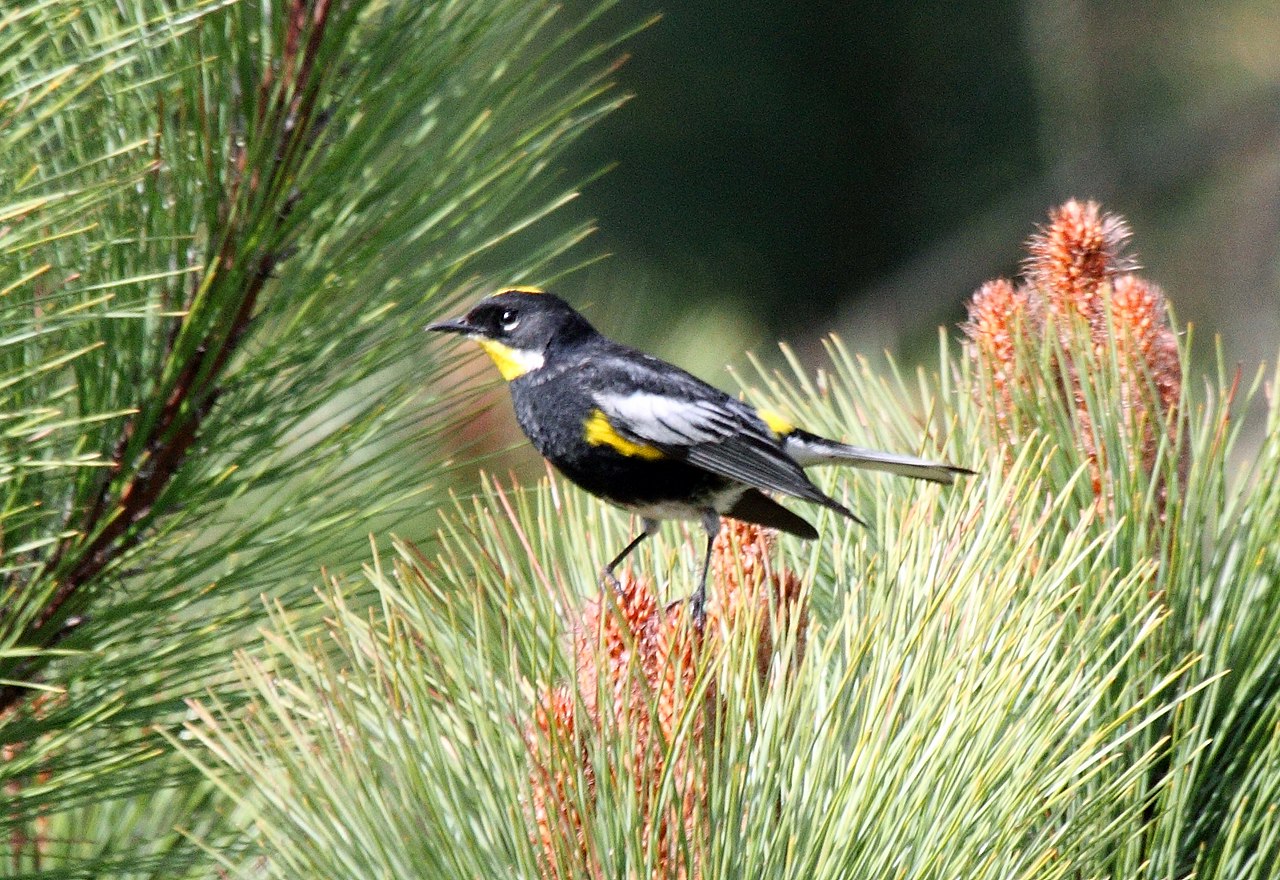
Male appears mostly dark with metallic gloss, contrasting with vividly golden flight feathers that form a bold wing panel; female is olive-brown above with yellowish, lightly streaked underparts. Both sexes have sleek, compact plumage adapted for rapid flight. Feathers show subtle iridescence in good light.
Diet
Feeds predominantly on nectar from montane flowers such as proteas, Leonotis, and giant lobelias. It also takes small arthropods—flies, beetles, and spiders—especially during breeding to provide protein for nestlings. It may glean insects from foliage or sally briefly from perches.
Preferred Environment
Concentrates at flowering shrubs along forest edges, clearings, and montane heath. Often visits gardens and roadside thickets in highland towns when suitable blossoms are available.