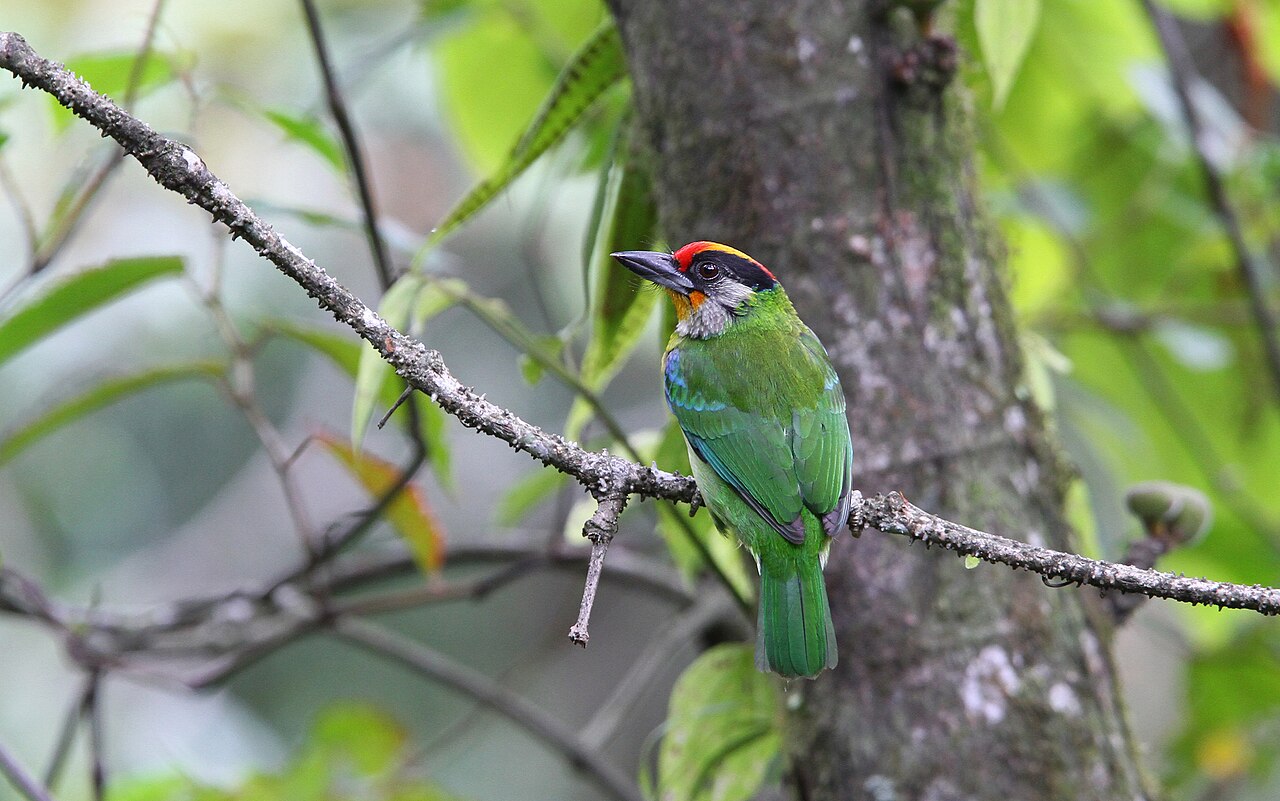
The golden-tailed starfrontlet is a species of hummingbird in the "brilliants", tribe Heliantheini in subfamily Lesbiinae. It is endemic to Venezuela. It is also called the Merida starfrontlet and golden starfrontlet.
Region
Venezuelan Andes
Typical Environment
It inhabits humid montane forests, elfin forest, and subpáramo scrub in the Cordillera de Mérida. The species favors forest edges, shrubby ravines, flowering clearings, and secondary growth with abundant nectar sources. It also visits highland gardens and hedgerows when suitable flowers are present. Local elevational movements may occur in response to seasonal flower availability.
Altitude Range
1800–3600 m
Climate Zone
Highland
Ease of Keeping
Beginner friendly: 1/5
Endemic to Venezuela’s Mérida Andes, this medium-sized hummingbird is renowned for the male’s glittering forehead patch and a distinctly golden-bronze tail. It frequents flowering shrubs along forest edges and gardens, acting as an important pollinator. Though it tolerates some secondary growth, ongoing habitat alteration can locally reduce its numbers.

Temperament
solitary and territorial
Flight Pattern
short rapid wingbeats with precise hovering; agile darting between flowers
Social Behavior
Typically forages alone and aggressively defends rich nectar patches from other hummingbirds. Courtship involves fast chases and display flights near flowering shrubs. The female builds a small cup nest in sheltered vegetation and alone incubates and raises the young.
Migratory Pattern
Resident
Song Description
Vocalizations are a series of thin, high-pitched tseet or tit notes interspersed with rapid twitters. During chases, it gives sharper chips and buzzy trills.
Plumage
Iridescent green body with a glittering frontal patch, contrasting darker head, and a distinctly golden-bronze tail; females duller with buffy spotting and reduced iridescence.
Diet
Primarily nectar from tubular flowers such as ericads, fuchsias, and other high-Andean shrubs and vines. It supplements nectar with small insects and spiders gleaned from foliage or caught in brief sallies, providing essential protein. When flowers are scarce, it widens its foraging range and may exploit flowering trees in secondary habitats.
Preferred Environment
Feeds along forest edges, in shrubby clearings, subpáramo scrub, and in gardens with abundant ornamentals. Often selects perches overlooking productive flower clusters for short, repeated foraging bouts.