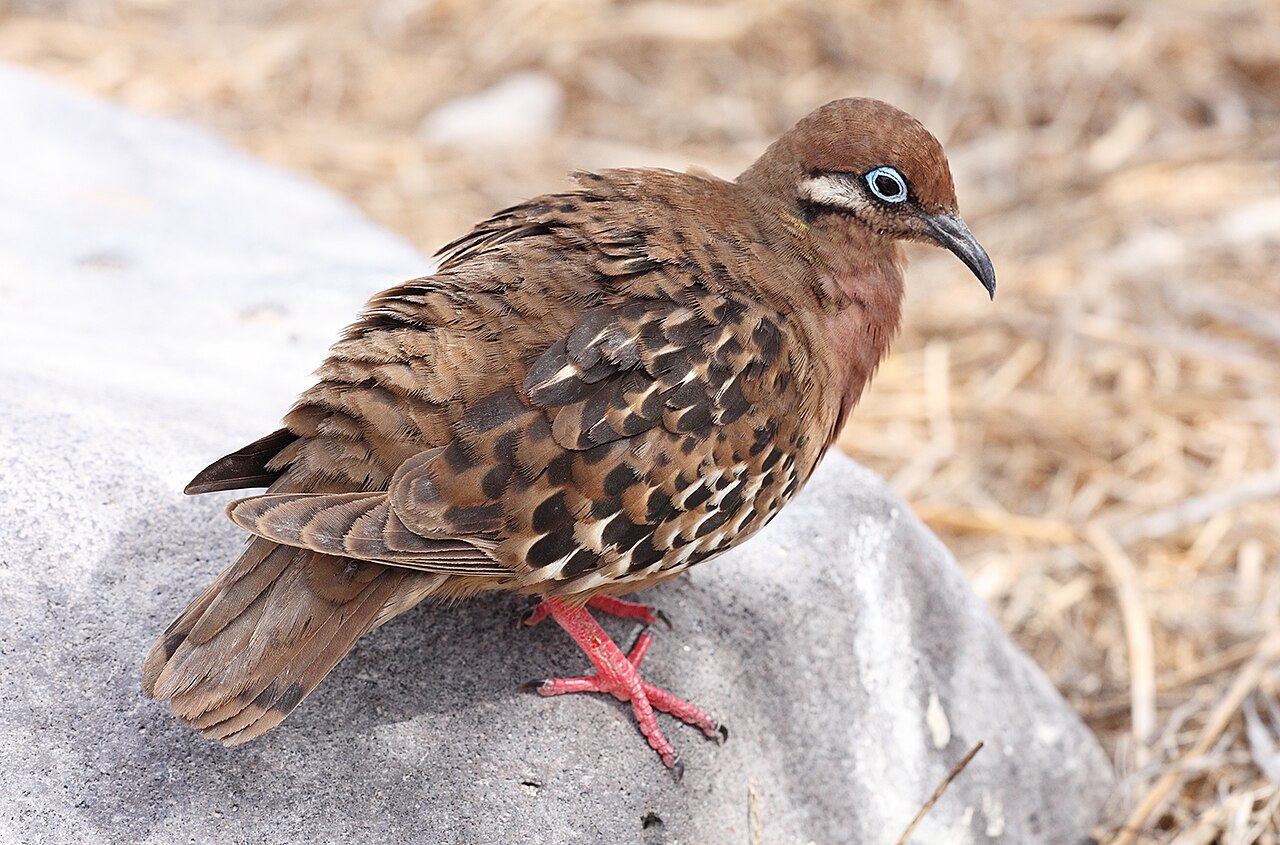
The Gabon coucal is a species of cuckoo in the family Cuculidae. It is mainly found in Gabon but also occurs in neighboring areas of Cameroon, Angola, the Central African Republic, the western Congo Basin and Equatorial Guinea.
Region
Central and West-Central Africa
Typical Environment
Occurs mainly in Gabon and adjacent regions of Cameroon, Equatorial Guinea, the Republic of the Congo, western Democratic Republic of the Congo, the Central African Republic, and Cabinda (Angola). It favors swamps, marshes, papyrus beds, and flooded forest edges. The species also uses dense secondary growth, mangrove margins, and thickets along slow-moving rivers. It is typically associated with lush, humid habitats that provide dense cover for skulking and nesting.
Altitude Range
Sea level to 1800 m
Climate Zone
Tropical
Ease of Keeping
Beginner friendly: 1/5
The Gabon coucal, commonly known as the Blue-headed Coucal, is a secretive, ground-frequenting cuckoo that prefers dense wet vegetation. It often forages quietly along swamp and river edges and is more often heard than seen. Pairs frequently duet with rich, bubbling notes that carry over marshes at dawn and dusk.

Temperament
shy and skulking
Flight Pattern
short rapid wingbeats with brief glides; low, heavy flight over vegetation
Social Behavior
Usually seen singly or in pairs, keeping to dense cover. Pairs build a large, domed nest concealed in reeds or thick shrubs near water. Both sexes share incubation and chick-rearing duties. Territorial calling and duetting are common during the breeding season.
Migratory Pattern
Resident
Song Description
Gives rich, resonant bubbling and hooting phrases, often in male–female duets. Calls carry far over wetlands, especially at dawn and late afternoon, and can include repetitive ‘coop-woo’ sequences and mellow, liquid notes.
Plumage
Glossy blue-black head and upperparts with rich rufous wings and a dark, broad tail; contrasting pale whitish to buff underparts. Feathers appear sleek with a slight metallic sheen on the head and mantle. The overall look is strikingly two-toned with strong contrast between dark upperparts and pale belly.
Diet
Takes large insects such as grasshoppers, beetles, and caterpillars, as well as spiders and other invertebrates. Also preys on small frogs, lizards, and occasionally the eggs or nestlings of other birds. Will supplement with berries and other soft fruits when available.
Preferred Environment
Forages near the ground or low in dense vegetation along swamp margins, papyrus and reedbeds, and forested waterways. Often hunts from within cover, making short lunges into leaf litter or shallow water. May also work along the edges of flooded clearings and mangroves.