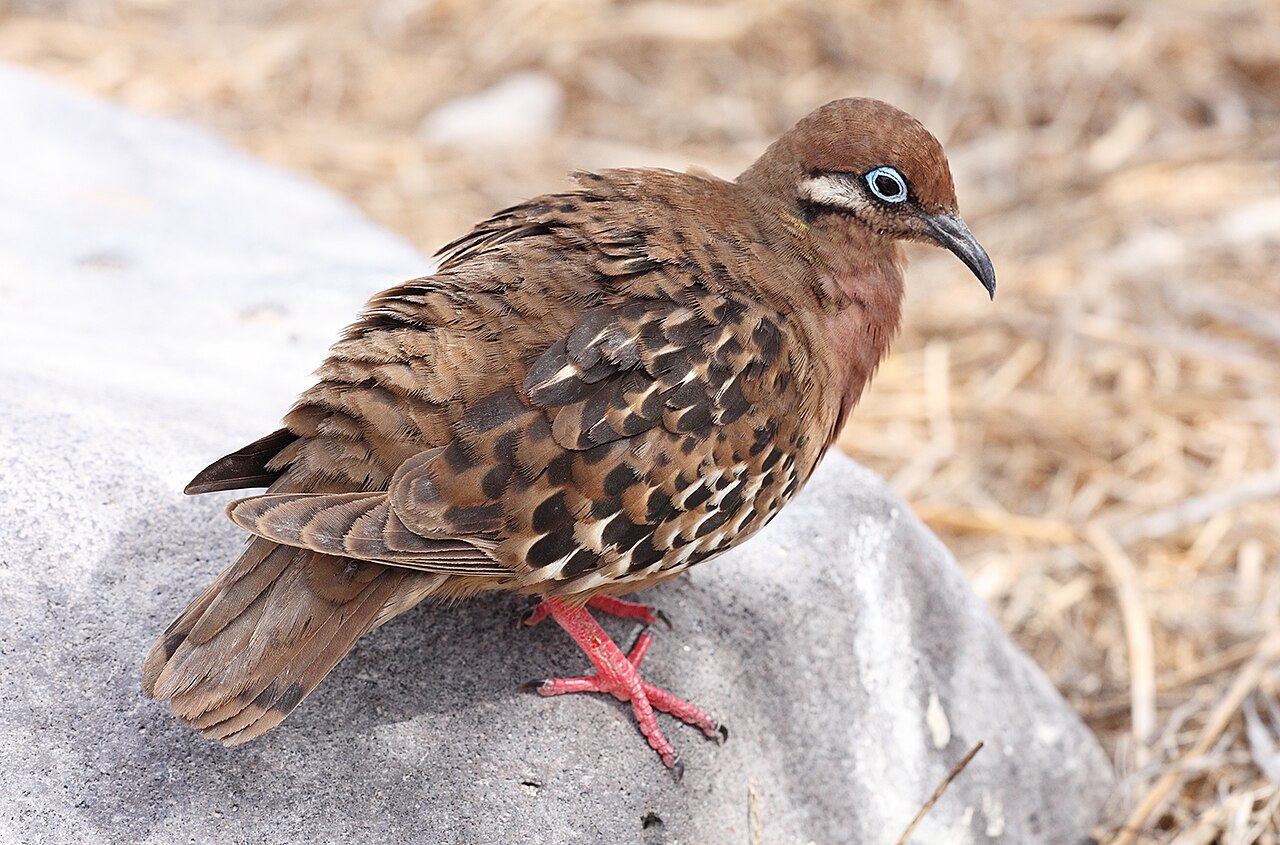
The Gabela helmetshrike is a species of bird in the Vanga family Vangidae, formerly usually included in the Malaconotidae.
Region
Western Angola (Angolan Escarpment)
Typical Environment
Occurs in remnants of moist lowland and foothill scarp forest, forest edge, and mature secondary growth. It also uses vine tangles and liana-rich thickets and may persist in shaded agroforestry (e.g., shade coffee) if canopy cover remains. The species favors midstory to canopy strata but will descend to lower levels at edges. Sensitive to fragmentation and extensive logging, it tends to avoid highly degraded habitats.
Altitude Range
400–1200 m
Climate Zone
Tropical
Ease of Keeping
Beginner friendly: 1/5
Endemic to the Angolan escarpment near the town of Gabela, this species is one of several localized forest birds threatened by habitat loss. Helmetshrikes are social, moving in tight, chattering groups and often engaging in cooperative breeding. The group’s bright facial wattles and small crest make them distinctive among forest flocks. It was formerly placed with the bushshrikes (Malaconotidae) but is now in the Vanga family (Vangidae).

Temperament
social and active
Flight Pattern
short rapid wingbeats
Social Behavior
Typically found in small, noisy parties that keep close contact while foraging through the canopy. Groups may exhibit cooperative breeding, with helpers assisting a dominant pair. Nests are cup-shaped and placed in forks or dense foliage; the group vigorously defends the nest site.
Migratory Pattern
Resident
Song Description
A lively series of chatters, whistles, and scolding notes given antiphonally within the group. Contact calls are frequent and help maintain tight flock cohesion as birds move through foliage.
Plumage
Mostly dark slate to black upperparts with paler grey underparts, a contrasting pale wing panel, and a small, shaggy crest. Bare facial skin around the eye forms a bright wattle, and the wings show white flashes in flight.
Diet
Primarily hunts insects and other arthropods, including beetles, caterpillars, termites, and spiders. Prey is gleaned from leaves and twigs or taken by short sallies. Occasionally takes small fruits, but animal prey dominates. Often forages cooperatively, sometimes joining mixed-species flocks.
Preferred Environment
Feeds in the midstory to canopy of moist scarp forest, at edges, and in semi-natural secondary growth. Uses dense vine tangles and lianas where invertebrate prey is abundant.