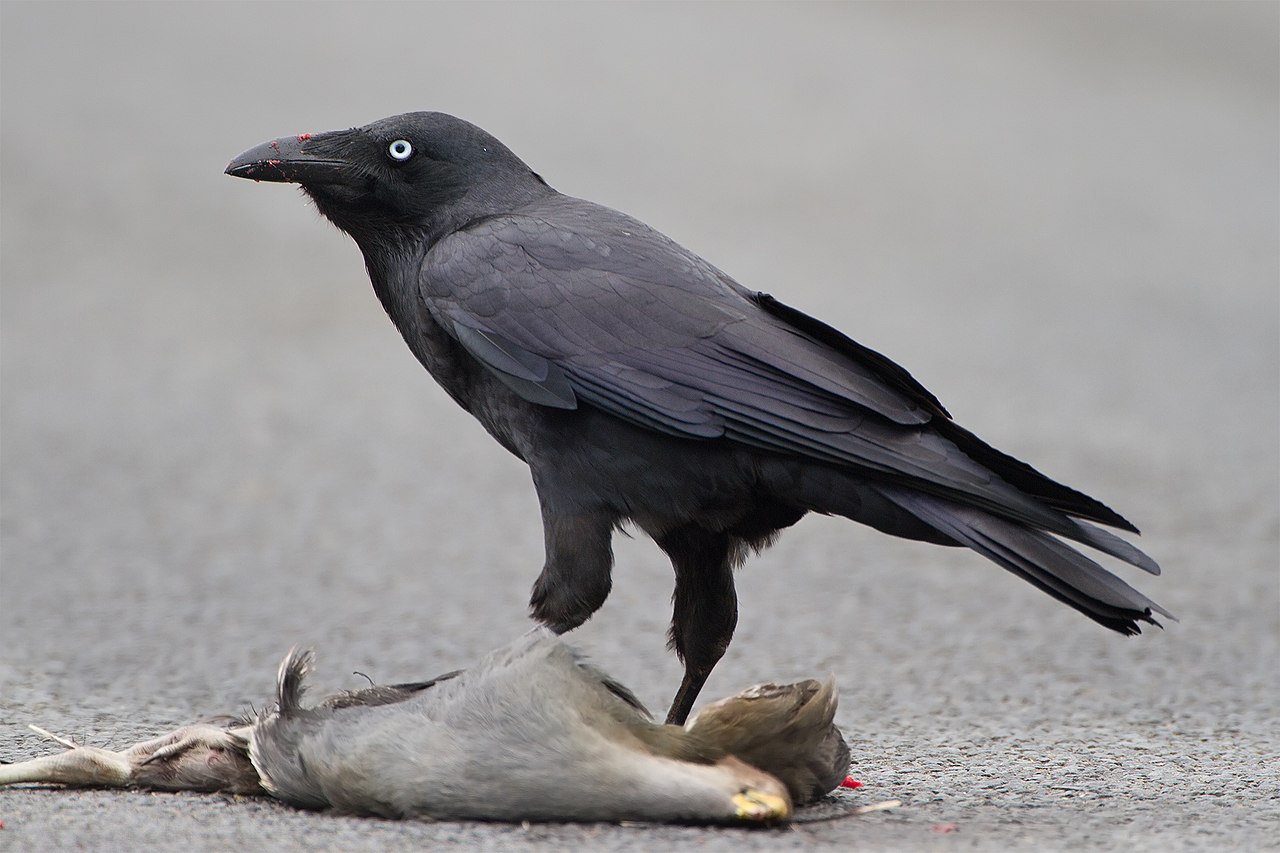
The forest honeyeater is a species of bird in the family Meliphagidae. It is found throughout New Guinea. Its natural habitats are subtropical or tropical moist lowland forest and subtropical or tropical moist montane forest.
Region
New Guinea
Typical Environment
Occurs widely across the island of New Guinea in both lowland and montane forests. It uses primary rainforest as well as secondary growth, forest edges, and riverine corridors. Birds forage from the understory to the canopy, often favoring flowering trees and fruiting shrubs. It can also appear in forest-fringe gardens and disturbed habitats where nectar sources are abundant.
Altitude Range
Sea level to 2500 m
Climate Zone
Tropical
Ease of Keeping
Beginner friendly: 1/5
This New Guinea honeyeater uses a brush-tipped tongue to lap nectar but also takes small insects for protein. It often joins mixed-species flocks in the forest mid-story and canopy, moving quickly through foliage. Its plumage is subtle, so its sharp call notes often reveal its presence before it is seen.

Temperament
active and somewhat inconspicuous
Flight Pattern
short rapid wingbeats between perches, agile in dense foliage
Social Behavior
Usually seen singly, in pairs, or small family groups, and frequently joins mixed-species foraging flocks. Nest is typically a small cup placed in foliage or suspended from slender branches. Pairs are territorial around rich nectar sources during breeding.
Migratory Pattern
Resident
Song Description
Calls are sharp chips and buzzy, metallic notes delivered in quick series. Song is a thin, hurried jumble of squeaks and twitters, often given from mid-canopy perches.
Plumage
Mostly olive-green to olive-brown above with paler, grey-olive underparts and a lightly streaked or mottled throat. Feathers are smooth and close, giving a neat, matte appearance.
Diet
Primarily consumes nectar from flowering trees and shrubs using a brush-tipped tongue. Supplements its diet with small insects and spiders gleaned from leaves and bark. Also takes soft fruits and occasionally sips sap or honeydew when available.
Preferred Environment
Feeds in mid-story to canopy along forest edges, gaps, and flowering trees within primary and secondary forest. Often visits clustered blossoms and follows blooming events in the landscape.