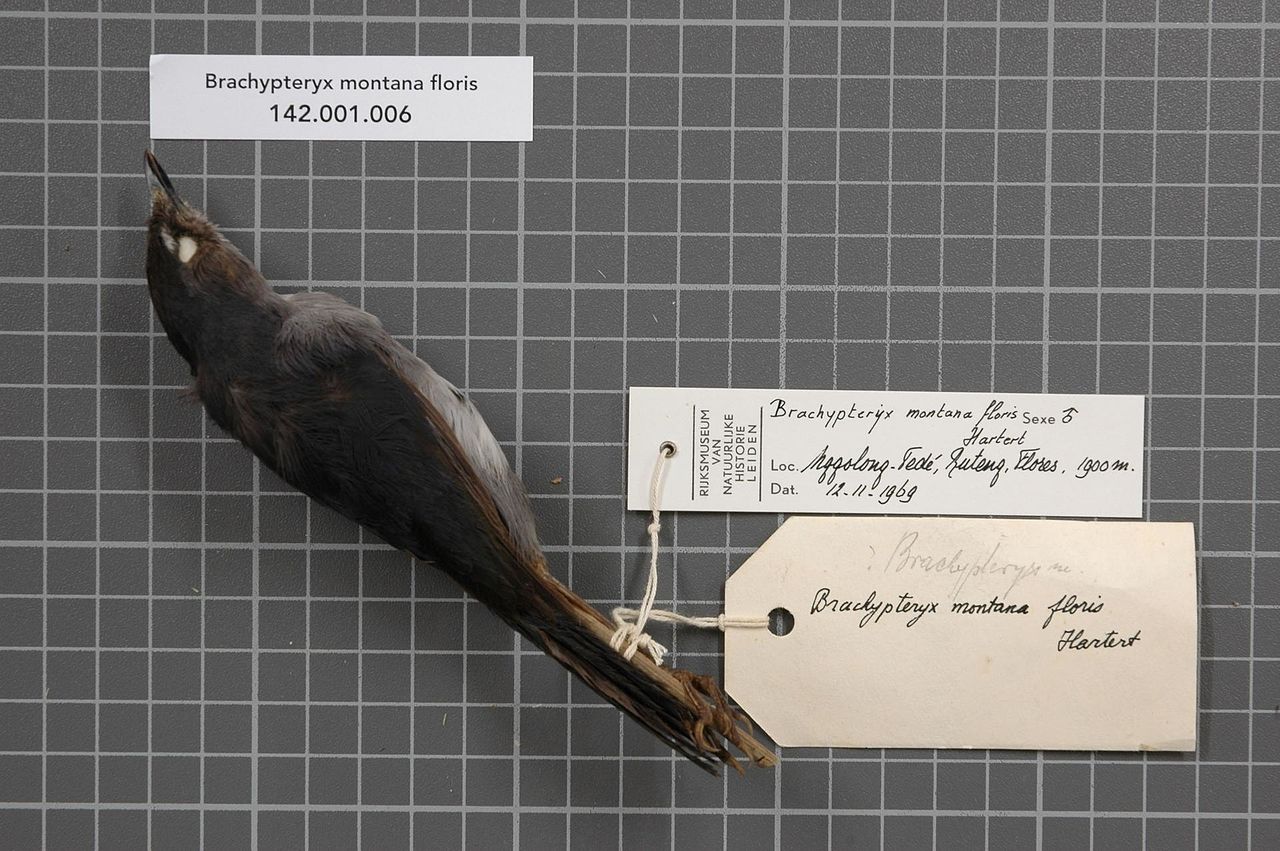
The Flores scops owl is an owl endemic to the island of Flores, Indonesia. It is threatened by habitat loss. This owl is around 19–21 cm from head to tail. They are a forest dwelling owl that is smallish in size. Some 250–2,499 individuals are estimated to be extant in the wild, dwindling due to habitat loss.
Region
Lesser Sunda Islands (Flores)
Typical Environment
This owl inhabits primary and mature secondary forests, often on foothills and montane slopes with dense understory. It uses forest edges, bamboo thickets, and riparian corridors where prey is abundant but cover remains. The species roosts by day in thick foliage and hunts at night from low to mid-level perches. Human disturbance and habitat fragmentation restrict it to patches of relatively intact forest.
Altitude Range
600–1600 m
Climate Zone
Tropical
Ease of Keeping
Beginner friendly: 1/5
The Flores scops owl is a little-known island endemic confined to Flores in Indonesia, where it favors quiet, forested slopes. It was long feared to be very rare and is still difficult to observe due to its nocturnal habits and dense habitat. Conservation efforts focus on safeguarding remaining montane forests from logging and agricultural expansion.


Danau Ranamese in Flores, the site of an observation in 2005

Topographic map of Flores
Temperament
solitary and territorial
Flight Pattern
short rapid wingbeats with brief glides; silent flier
Social Behavior
Typically encountered alone or in pairs, especially during the breeding season. Nests in natural tree cavities or old woodpecker holes, with a small clutch guarded closely by the parents. Pairs maintain territories in suitable tracts of forest and are most vocal at night.
Migratory Pattern
Resident
Song Description
A series of soft, evenly spaced hoots or whistles, often delivered from a concealed perch. Calls accelerate slightly in sequence and carry well in still, forested valleys at night.
Plumage
Compact scops-owl with rufous-brown to dark brown plumage, finely mottled and streaked for excellent camouflage. Subtle barring on wings and tail; small, pointed ear tufts. The facial disk is buffy with a darker rim and a contrastingly pale throat.
Diet
Primarily hunts large insects such as moths, beetles, crickets, and katydids, taken by sallying from a perch. It also snatches spiders and other arthropods from foliage. On occasion, it may take very small vertebrates like geckos or frogs.
Preferred Environment
Forages along shaded forest trails, edges, and clearings where insects concentrate. Frequently hunts from low to mid-level perches, scanning quietly before short, precise sallies.