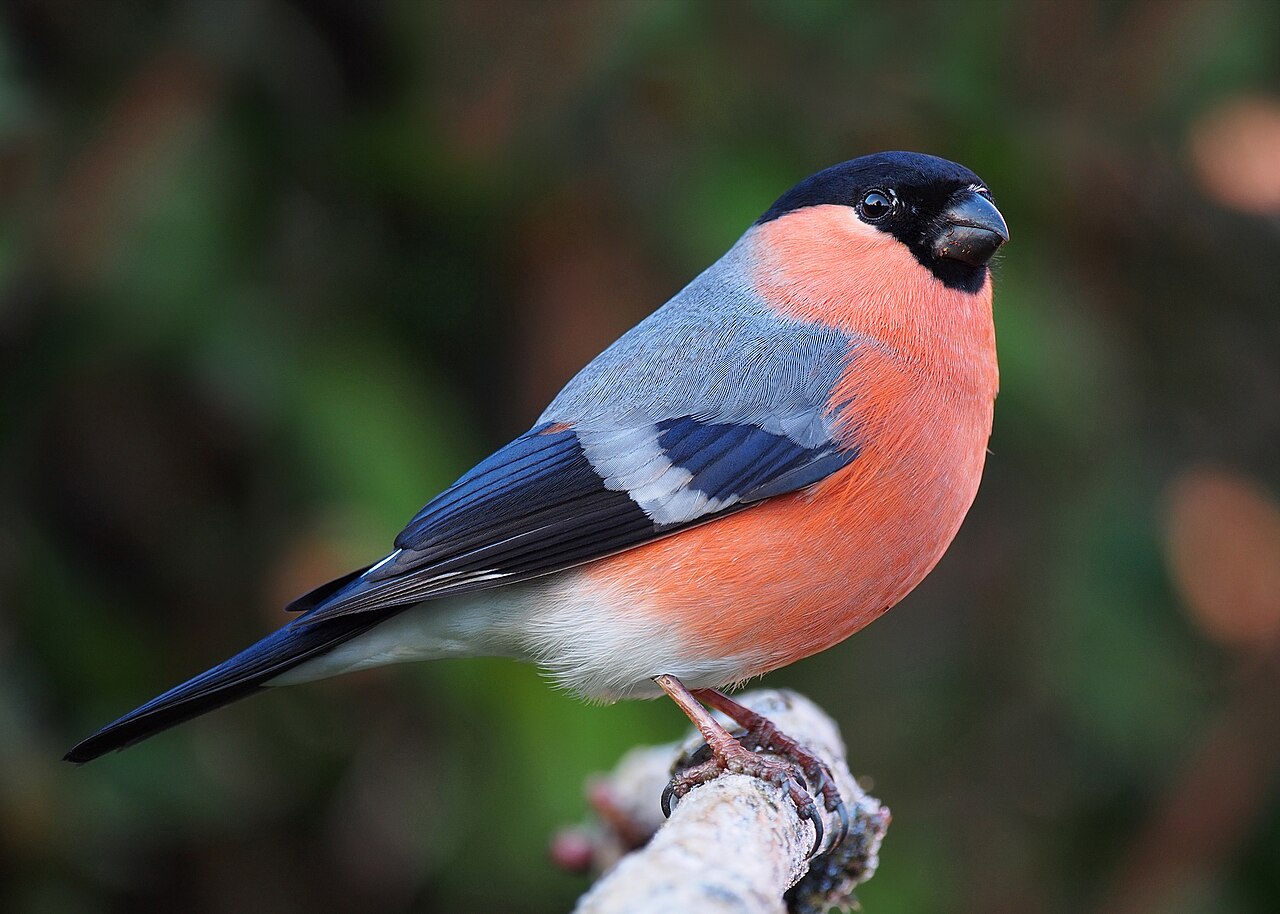
The Ethiopian thrush is a species of bird in the family Turdidae. It is found primarily in Ethiopia, and also locally in Eritrea. It is a medium-sized thrush 20–22 cm long, with a brown back, two vertical dark brown bars on the face, a spotted breast and belly, and an unusually short tail. Compared to the closely related groundscraper thrush from further south in Africa, it is browner, less grey-coloured above, and has a less marked face pattern.
Region
Ethiopian Highlands
Typical Environment
Occurs across the Ethiopian Plateau and locally into Eritrea, favoring open montane habitats with patches of short grass, bare ground, and scattered shrubs or trees. It frequents rocky slopes, field margins, road verges, and lightly wooded farmland. The species adapts well to village outskirts and grazed pastures where ground is open for running and foraging. It avoids dense forest but uses edges, clearings, and bushy ravines.
Altitude Range
1500–3500 m
Climate Zone
Highland
Ease of Keeping
Beginner friendly: 2/5
Often treated as a split from the southern Groundsraper Thrush, this highland bird is more uniformly brown with a shorter tail and subtler facial striping. It spends much of its time running on open ground and will readily use human-altered habitats such as fields and village edges. Its melodious, fluty song is delivered from rocks, fence posts, or low bushes, especially at dawn.

Temperament
solitary and territorial
Flight Pattern
short rapid wingbeats, low and direct
Social Behavior
Usually seen singly or in pairs, running on open ground and pausing to scan. Pairs defend territories during the breeding season and nest low, often on the ground or in a bank, in a cup of grasses and plant fibers. Clutch size is small; both adults feed the young.
Migratory Pattern
Resident
Song Description
A rich, fluty series of clear whistles and short phrases, repeated from exposed perches like rocks, posts, or low trees. Calls include sharp chacks and soft contact notes while foraging.
Plumage
Warm brown upperparts with two dusky vertical facial bars and a pale buffy face. Underparts are whitish to buff with heavy dark spotting on the breast and belly. Tail is notably short, giving a compact, long-legged look. Wings show subtle pale edging; overall appearance is browner and less contrasting than southern relatives.
Diet
Primarily consumes insects and other small invertebrates such as beetles, ants, termites, caterpillars, and worms. Will also take small snails and occasionally soft fruits or berries when available. Foraging involves running, pausing, and pecking, as well as flipping leaves and probing soil or dung.
Preferred Environment
Feeds in short-grass areas, bare patches, ploughed fields, paths, and around livestock where prey is exposed. Also uses rocky ground, road verges, and lightly vegetated slopes, often near shrubs for cover.