

The emperor penguin is the tallest and heaviest of all living penguin species and is endemic to Antarctica. The male and female are similar in plumage and size, reaching 100 cm (39 in) in length and weighing from 22 to 45 kg. Feathers of the head and back are black and sharply delineated from the white belly, pale-yellow breast and bright-yellow ear patches.
Region
Antarctica
Typical Environment
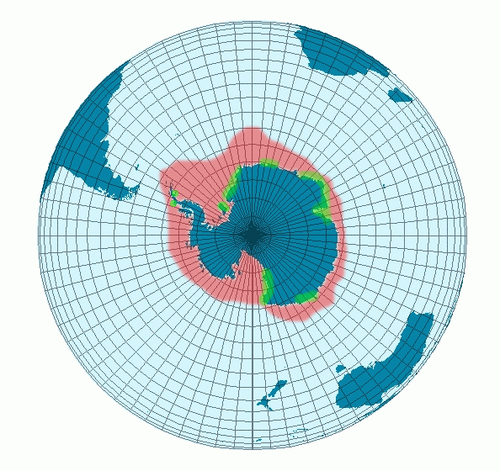
Occurs circum-Antarctically along coastal margins where stable seasonal fast ice forms near the continent. Breeding colonies are established on sea ice adjacent to polynyas and leads that provide reliable access to open water. Outside the breeding season they range through the pack-ice zone, foraging along ice edges and beneath consolidated ice. They seldom venture far north of the Antarctic Polar Front.
Altitude Range
Sea level to 100 m
Climate Zone
Polar
Ease of Keeping
Beginner friendly: 1/5
The emperor penguin is the tallest and heaviest living penguin and breeds during the Antarctic winter. Males incubate a single egg on their feet under a brood pouch while fasting for weeks in extreme cold, often huddling to conserve heat. They are exceptional divers, reaching depths over 500 m and remaining submerged for more than 20 minutes. Their colonies can number in the tens of thousands on stable sea ice.


Adults with chicks

Mounted skeleton at the American Museum of Natural History
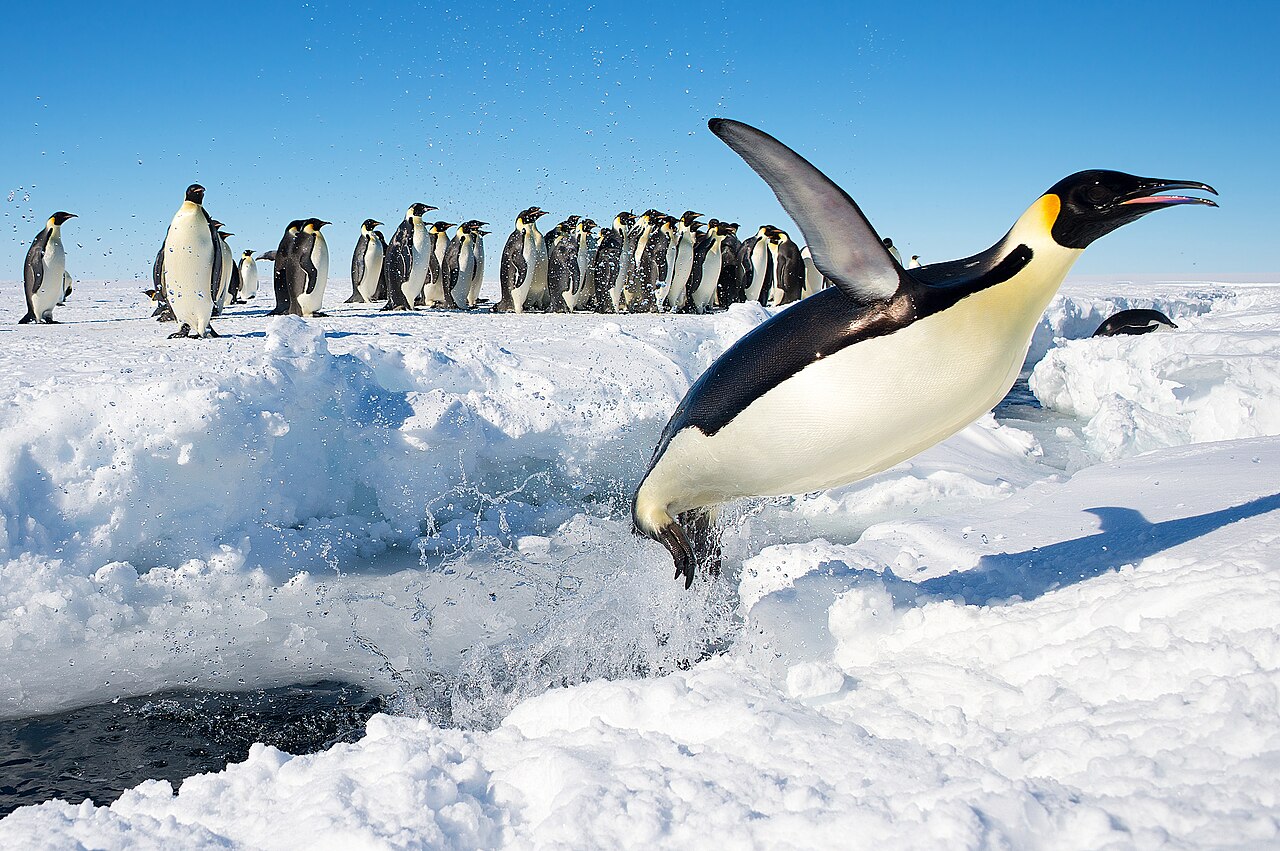
Emperor penguin jumping out of the water in Antarctica

Halley Bay Colony in 1999

An emperor penguin colony on Snow Hill Island
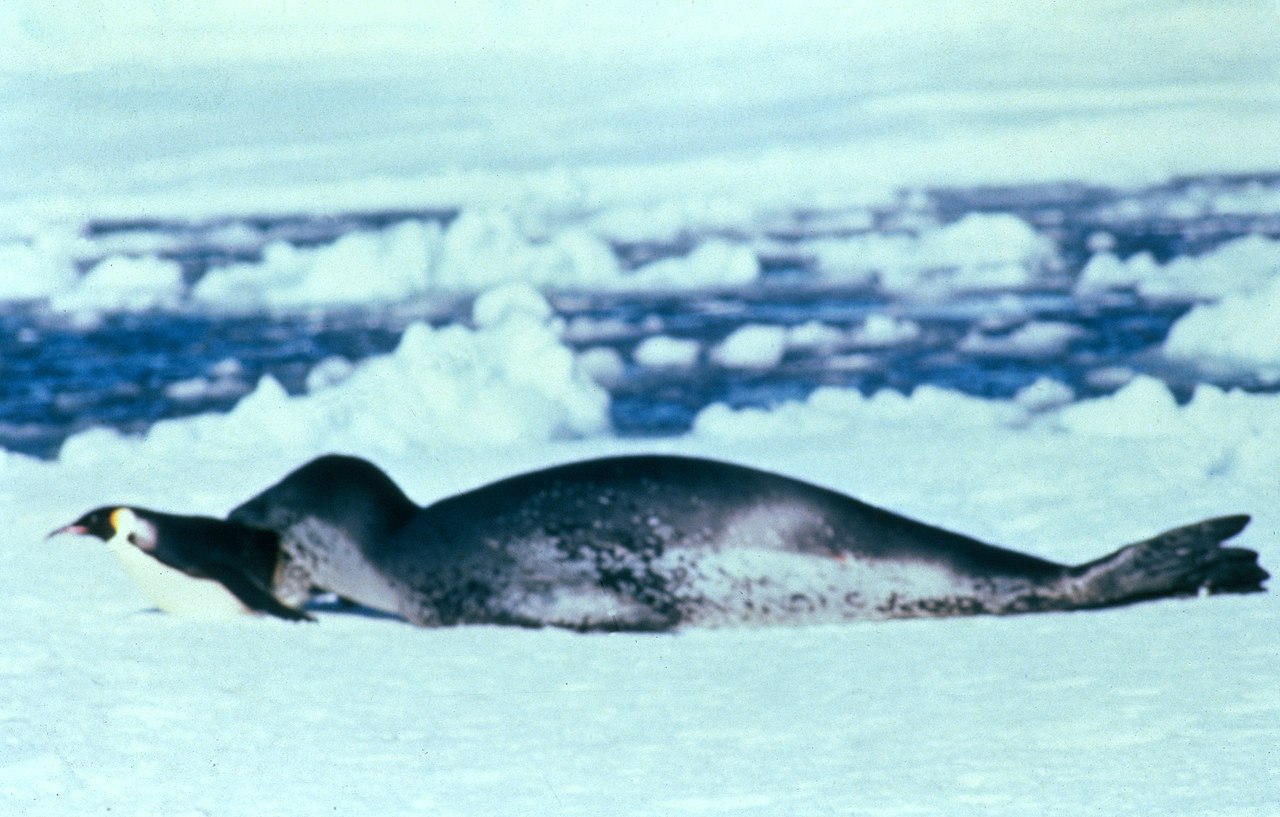
Emperor penguin attacked by a leopard seal
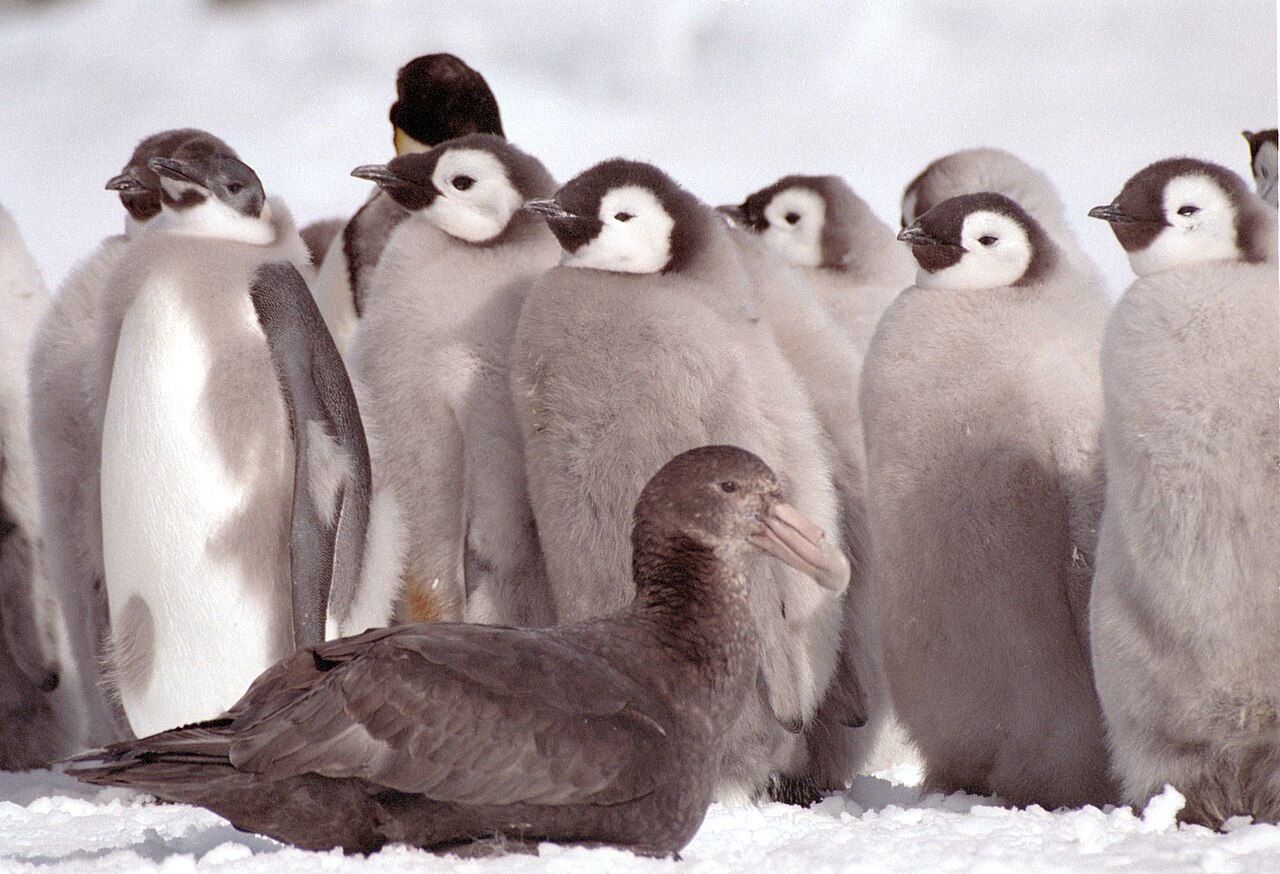
Giant petrel and emperor penguin chicks
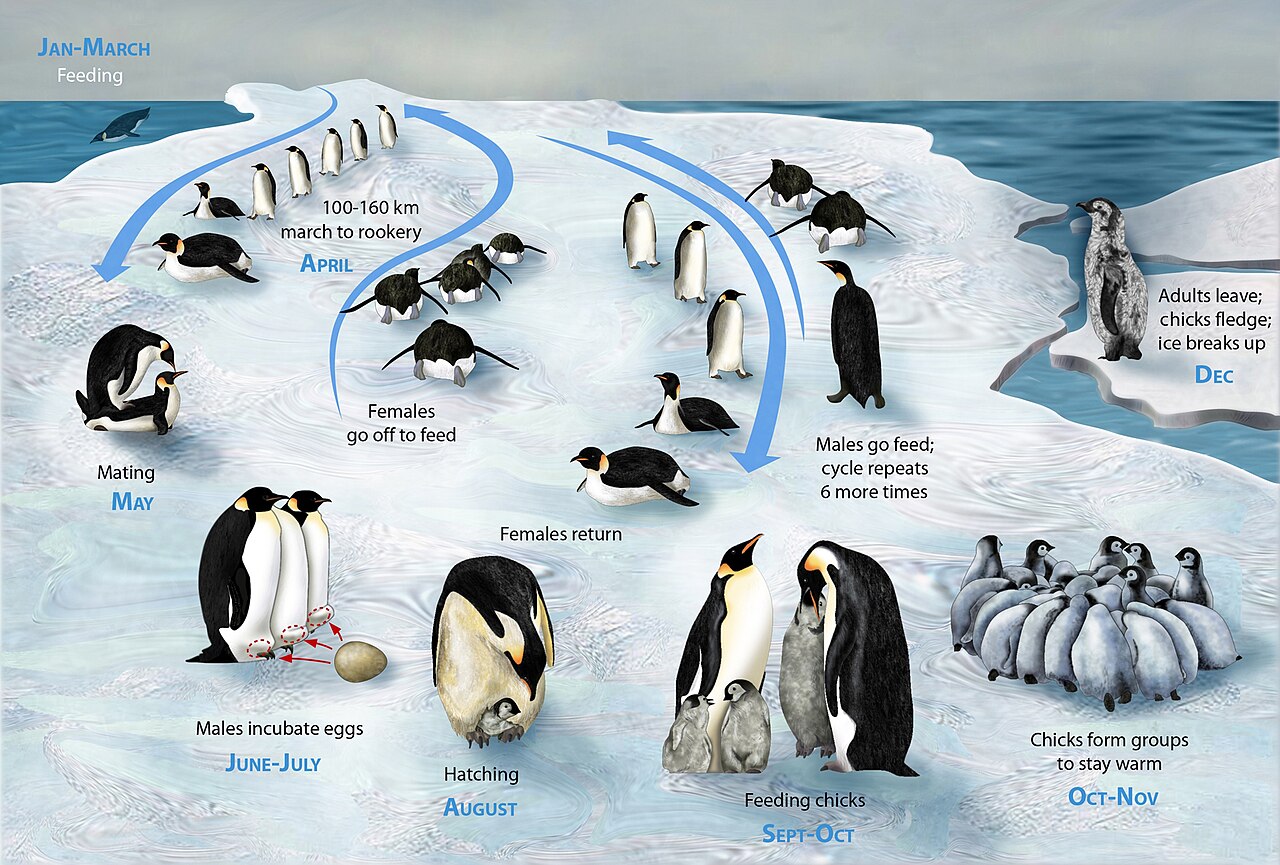
The life-cycle of the emperor penguin
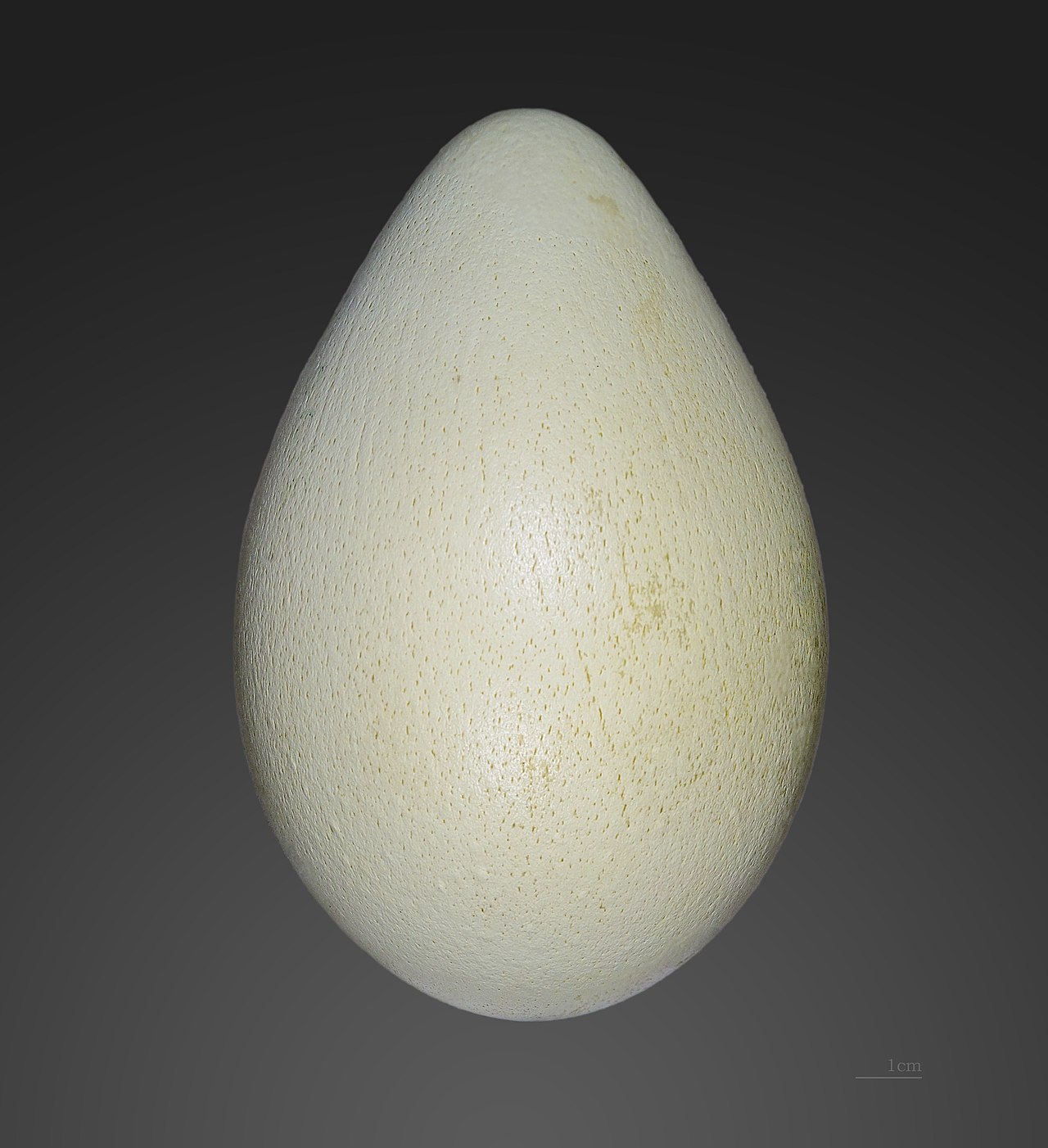
The egg of the emperor penguin. It is 13.5 × 9.5 cm and avocado-shaped.

Emperor penguin feeding a chick

Two Adélie penguins and an emperor penguin at SeaWorld San Diego
Temperament
social and resilient
Flight Pattern
flightless; powerful underwater swimmer
Social Behavior
Breeds in large colonies on stable sea ice, with strong seasonal pair bonds that typically last one season. Males incubate the single egg while females forage at sea, then parents alternate long foraging trips to feed the chick. Adults and juveniles huddle tightly to reduce heat loss and rotate positions to share exposure to wind.
Migratory Pattern
Seasonal migrant
Song Description
Vocalizations include trumpeting calls and complex, frequency-modulated whistles used for mate and chick recognition. Calls carry over long distances and through strong winds, enabling individuals to locate partners in dense colonies.
Plumage
Dense, sleek plumage with black head, chin, and back sharply contrasting with a white belly and pale-yellow to yellow-orange upper breast.
Diet
Feeds primarily on Antarctic silverfish, other small fishes, squid, and krill. Hunts by deep pursuit diving beneath sea ice and along ice edges, often in groups. Uses excellent underwater vision and hydrodynamic body shape to capture agile prey. Foraging trips can extend tens to hundreds of kilometers from the colony depending on ice conditions.
Preferred Environment
Forages along pack-ice margins, beneath sea ice, and in polynyas where open water is accessible. Frequently uses cracks and leads in the ice as breathing and access points. Juveniles and nonbreeders range widely through the pack-ice zone.


