

The emu is a species of flightless bird endemic to Australia, where it is the tallest native bird. It is the only extant member of the genus Dromaius and the third-tallest living bird after its African ratite relatives, the common ostrich and Somali ostrich. The emu's native ranges cover most of the Australian mainland. The Tasmanian, Kangaroo Island and King Island subspecies became extinct after the European settlement of Australia in 1788.
Region
Australia
Typical Environment
Emus occur across most of the Australian mainland, favoring open habitats such as grasslands, savannas, semi-arid scrub, and open woodland. They also use agricultural lands and pastoral country, especially after rain when new growth appears. They avoid dense forests and extremely barren desert but can cross harsh country to reach resources. Access to surface water is preferred but they can endure dry periods by moving widely.
Altitude Range
Sea level to 1500 m
Climate Zone
Other
Ease of Keeping
Beginner friendly: 3/5
The Emu is Australia’s tallest native bird and a fast runner, reaching speeds near 50 km/h. Males incubate the eggs and solely care for the striped chicks for months after hatching. Emus are strong swimmers and can travel long distances in search of food and water.


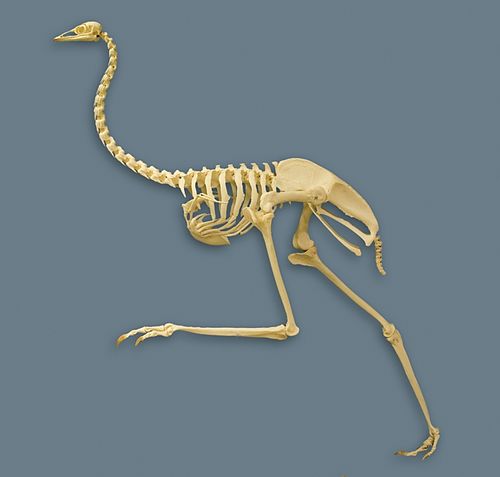
Mounted emu skeleton


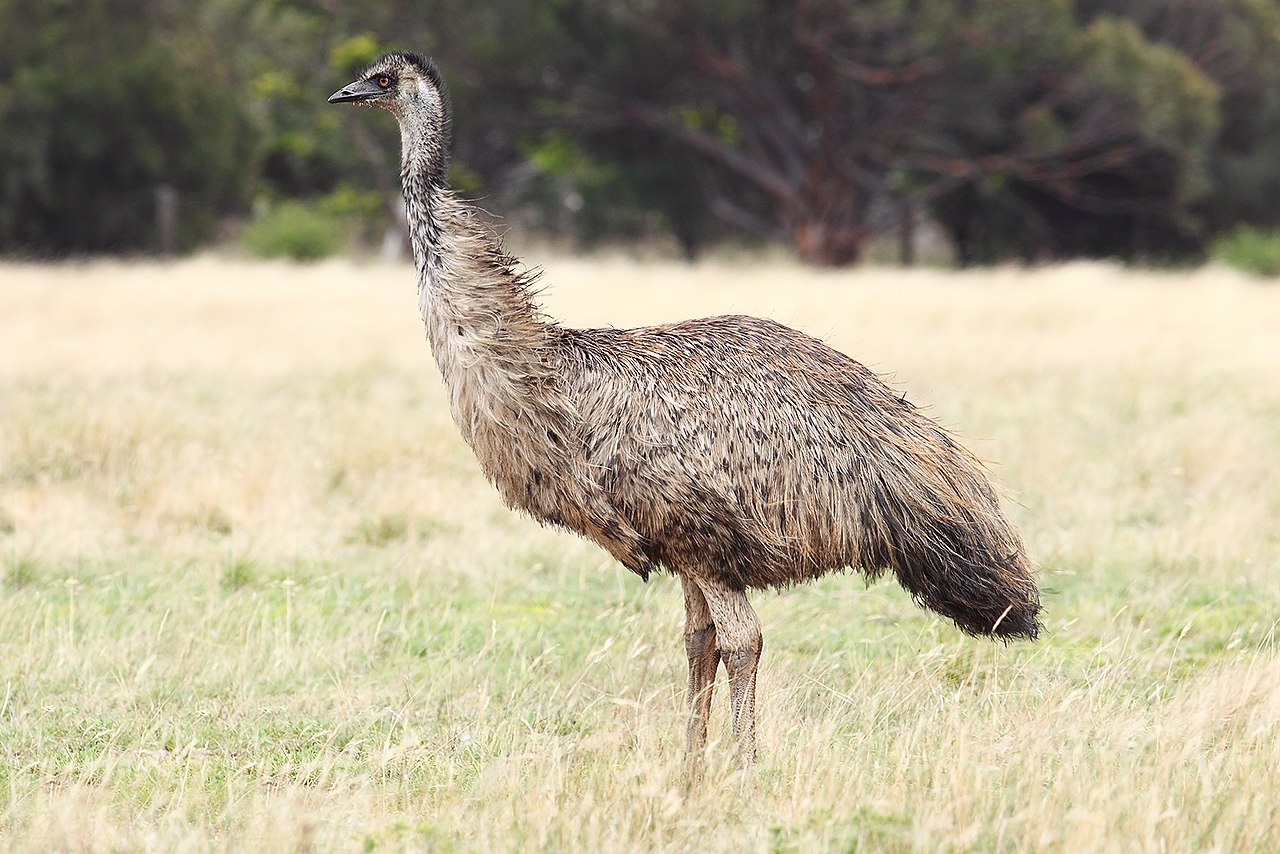

Detail of the skin under its neck from a captive specimen

Adult and juvenile foot prints

Emus bathing on a very hot summer day in a shallow pond

Emus. Western NSW, 1976

An emu sitting on the ground at a zoo.

Dark green emu egg
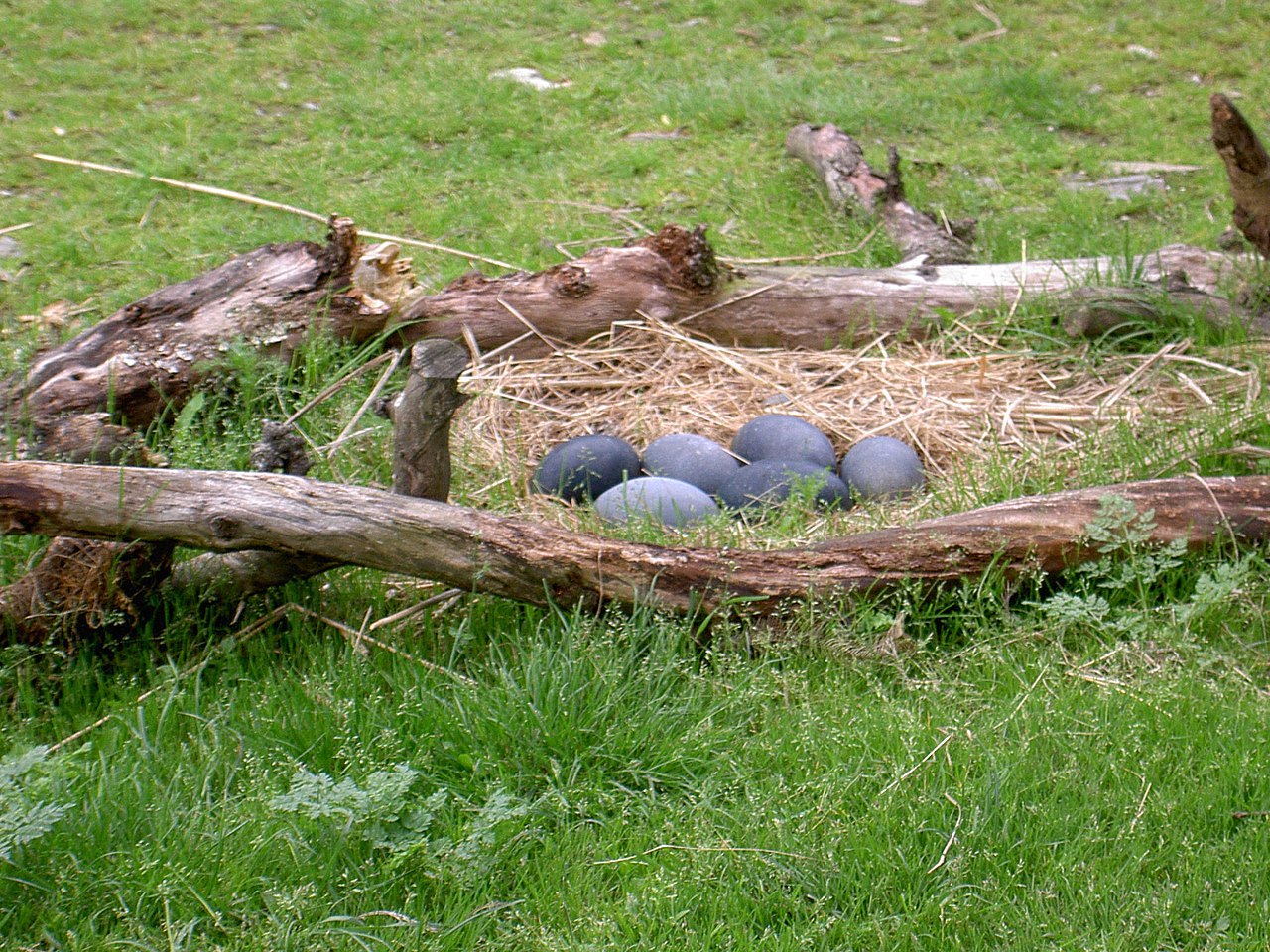
Nest and eggs

Emu chicks have longitudinal stripes that provide camouflage

Emu and chicks, from The Birds of Australia, John Gould, 1848

Stalking emu, c. 1885, attributed to Tommy McRae

Aboriginal emu caller, used to arouse the curiosity of emus

Farmed emu being grain fed

1807 plate showing now extinct island emus taken to France for breeding purposes in 1804

Engraved Emu egg.


John Gerrard Keulemans's (c. 1910) restoration of the Tasmanian emu, one of three subspecies which were hunted out of existence
Temperament
curious but wary; generally calm, more assertive in breeding season
Flight Pattern
flightless; swift ground runner
Social Behavior
Outside breeding, emus are loosely gregarious and often form small groups while foraging or moving between resources. Breeding pairs form in the cooler months; the male incubates 5–15 eggs for about eight weeks without feeding. After hatching, the male guards and leads the striped chicks for several months.
Migratory Pattern
Partial migrant
Song Description
Vocalizations include deep booming and drumming, especially by females using an inflatable throat sac, which can carry over long distances. Males produce grunts and soft croaks, with calls used for contact and during breeding displays.
Plumage
Shaggy, hair-like double-shafted feathers that provide excellent insulation; overall coarse texture.
Diet
Emus are opportunistic omnivores, eating seeds, fruits, flower buds, green shoots, and a variety of insects such as grasshoppers and caterpillars. They may occasionally consume small vertebrates and will swallow pebbles to aid in grinding food in the gizzard. Their movements often track rainfall and flushes of new plant growth, and they can disperse seeds over long distances.
Preferred Environment
They forage in open grasslands, savannas, and lightly wooded areas, as well as along roadsides and on agricultural fields. Feeding typically occurs where visibility is good and food is abundant, often near temporary water sources after rain.


