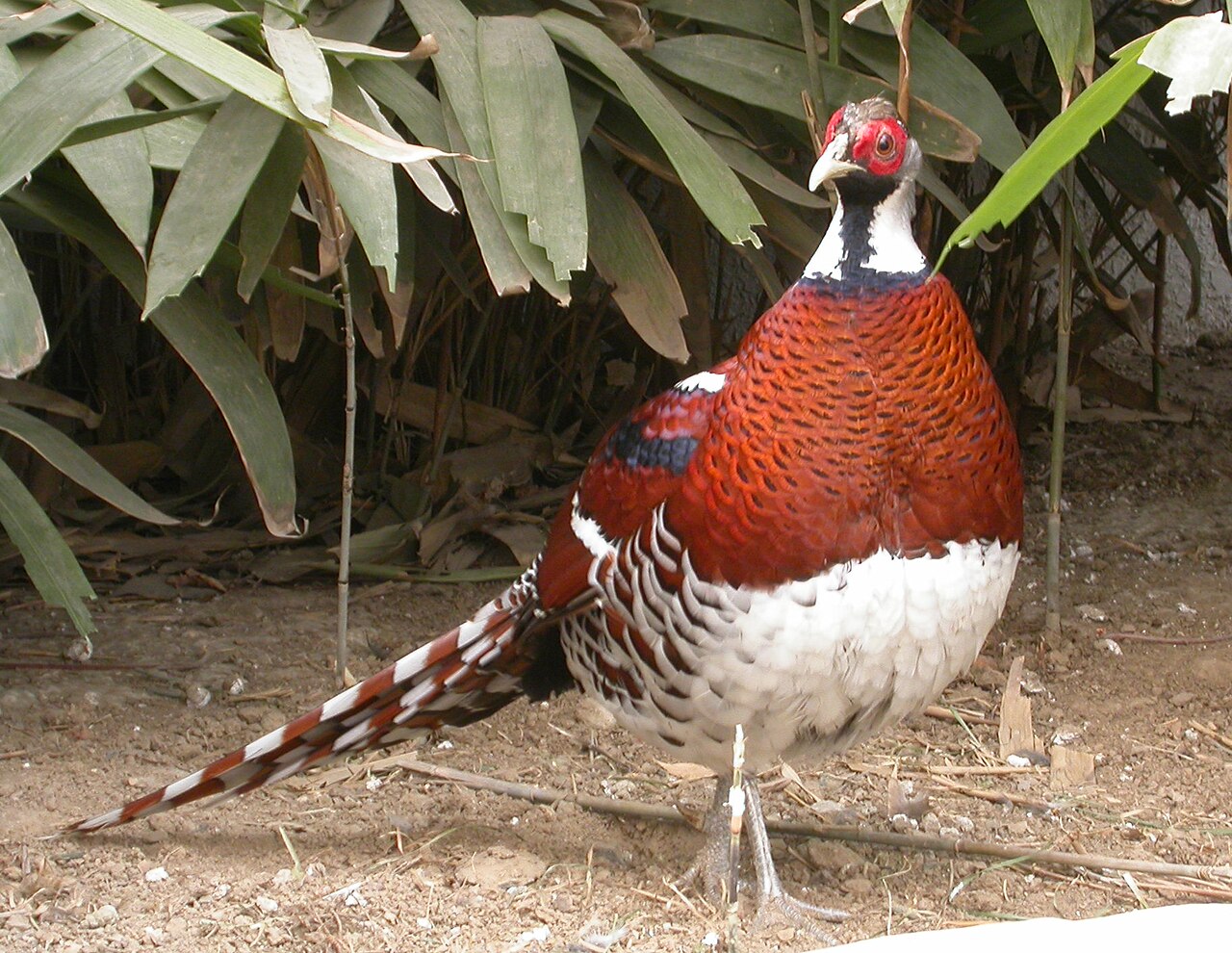
Elliot's laughingthrush is a bird species in the family Leiothrichidae.
Region
Eastern Tibetan Plateau and Southwestern China
Typical Environment
Occurs from southeastern Tibet through southern Qinghai and western Gansu to Sichuan and northwestern Yunnan. It inhabits moist montane forests, rhododendron and bamboo thickets, and shrubby edges along forest clearings and ravines. Birds frequently use dense cover, venturing to trails and forest margins to forage. Seasonal movements are mostly altitudinal, with birds descending slightly in harsh weather.
Altitude Range
2200–4600 m
Climate Zone
Highland
Ease of Keeping
Beginner friendly: 2/5
Elliot's laughingthrush is a lively, ground-foraging member of the family Leiothrichidae, named for its rippling, chuckling calls. It often keeps to dense undergrowth but becomes conspicuous when scolding intruders with loud, laughing notes. The species is a high-montane specialist of southwestern China and the eastern Tibetan Plateau. Formerly placed in Garrulax, it is now widely treated in the genus Trochalopteron.

Temperament
skulking yet vocal
Flight Pattern
short rapid wingbeats between patches of cover
Social Behavior
Usually found in pairs or small family groups, sometimes joining mixed-species flocks in the nonbreeding season. Nests are built low in dense shrubs or bamboo, where both parents attend the young. Territorial during breeding, with conspicuous vocal displays from cover.
Migratory Pattern
Resident
Song Description
Song is a varied series of mellow whistles, chuckles, and rolling notes that can sound like laughter. Calls include scolding churrs and excited chatter, often delivered antiphonally by pairs.
Plumage
Warm grey-brown upperparts with rich rufous tones in the wings and tail; underparts paler buff-grey with subtle shading. Face shows a pale buff supercilium contrasted with darker lores and a dusky mask. The tail is long and slightly graduated with rufous-brown edges; overall plumage appears soft and unpatterned at distance but shows fine facial contrast up close.
Diet
Takes a wide range of invertebrates such as beetles, caterpillars, ants, and spiders, gleaned from low foliage and leaf litter. Supplements with berries and small fruits, especially rhododendron and other montane shrubs, and occasionally seeds. Will probe moss and bark crevices and flip leaves while foraging along the ground.
Preferred Environment
Feeds along forest edges, thickets, bamboo understorey, and shrubby clearings, often near trails and stream gullies. Prefers dense cover for security but forages at the interface of open and wooded microhabitats.