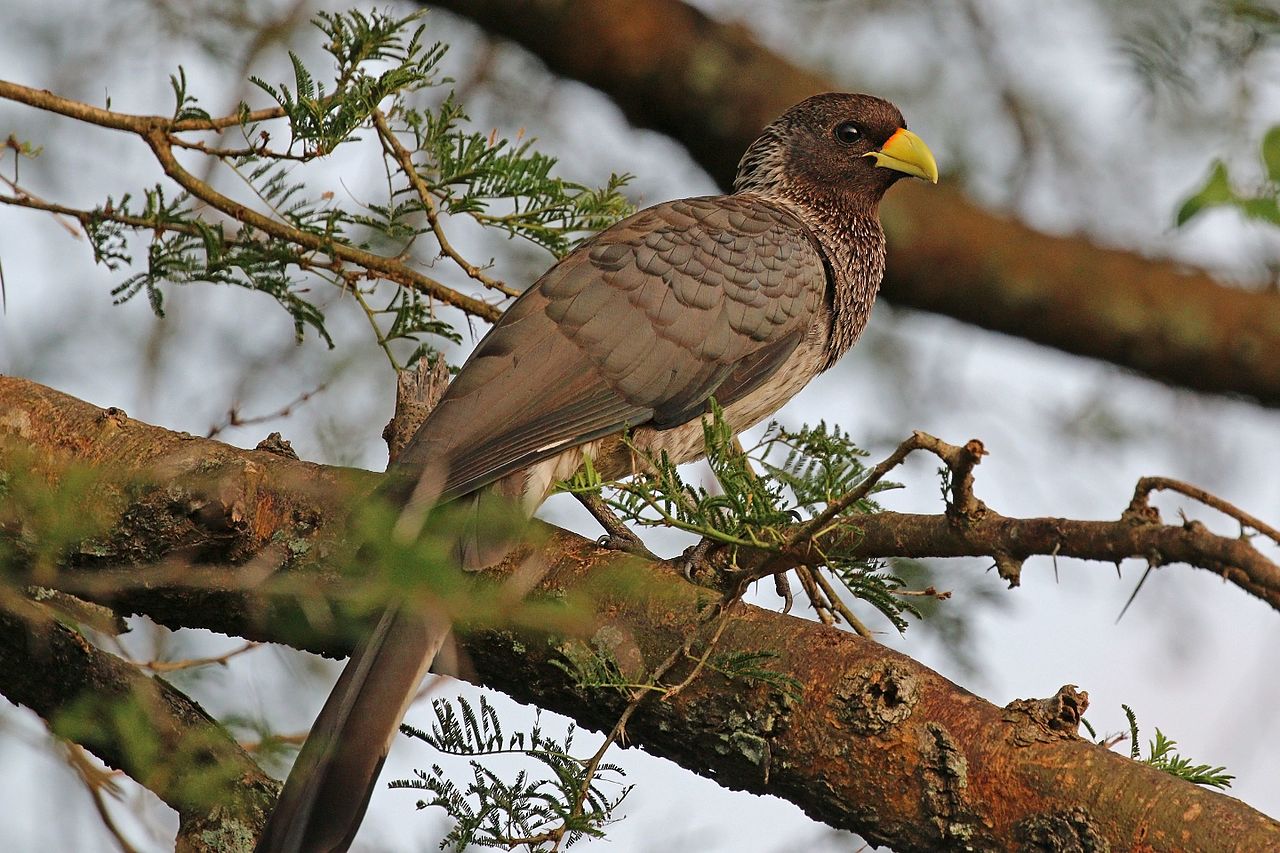
The eastern olivaceous flatbill is a species of bird in the family Tyrannidae, the tyrant flycatchers. It is found in Brazil, French Guiana, Guyana, Suriname, and Venezuela.
Region
Northern South America
Typical Environment
Occurs across the Guianas, northern and eastern Amazonia, and adjacent Venezuela and northern Brazil. Prefers humid lowland evergreen forest, including terra firme and várzea, as well as forest edges and mature secondary growth. Often forages in the shaded understory to midstory near streams and along quiet trails. It tolerates some habitat disturbance but remains most common in extensive forest tracts.
Altitude Range
0–1200 m
Climate Zone
Tropical
Ease of Keeping
Beginner friendly: 1/5
The Eastern Olivaceous Flatbill is a quiet, canopy-to-understory tyrant flycatcher with a characteristically broad, flat bill used to snatch insects from foliage and in short sallies. It often keeps to shaded forest interiors, making it easier to detect by voice than by sight. Pairs or family groups may accompany mixed-species flocks. Its subtle olive tones and buffy wingbars make it a classic example of low-contrast tropical forest plumage.


Temperament
shy and unobtrusive
Flight Pattern
short rapid wingbeats with brief sallies from low to mid-level perches
Social Behavior
Typically found singly, in pairs, or small family groups, and frequently associates with mixed-species flocks while foraging. Breeding pairs defend small territories within suitable forest. The nest is a suspended pouch-like structure woven from plant fibers and other fine materials, often placed low to mid-level in dense vegetation.
Migratory Pattern
Resident
Song Description
Gives soft, whistled phrases and thin tseet notes, often repeated at intervals from a concealed perch. The song can include a simple descending whistle or a series of mellow, slightly burry notes. Calls are subtle and easily overlooked amid forest background sounds.
Plumage
Overall olive-green with paler olive to yellow-olive underparts and two narrow buffy to yellowish wingbars; wings and tail slightly duskier olive.
Diet
Feeds primarily on small insects and other arthropods such as beetles, flies, caterpillars, and spiders. It uses a sally-gleaning technique, snatching prey from leaves and twigs or making short flights to capture items in the air. Occasional small berries may be taken, especially when insect activity is low.
Preferred Environment
Forages in shaded understory to midstory of humid forest, along forest edges, and near streams or vine tangles. Often joins mixed-species flocks, moving methodically through foliage to pick invertebrates from surfaces.