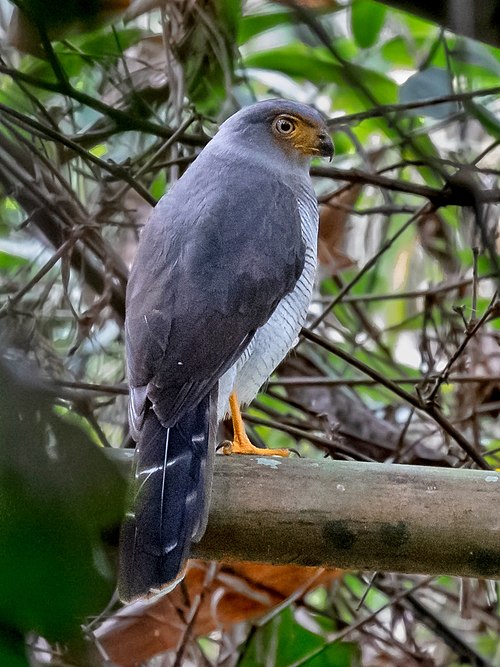
The cryptic flycatcher is a species of bird in the family Muscicapidae. It is endemic to the Philippines only being found in the island of Mindanao. Its natural habitat is tropical moist mid-montane forests from 600 - 1,500 meters.
Region
Mindanao, Philippines
Typical Environment
Occupies tropical moist mid-montane and mossy forests, often along forested ridges, stream gullies, and edges with dense understory. It favors shaded interior and midstory strata, perching quietly before making short sallies to snatch prey. Can occur in lightly disturbed secondary montane forest if canopy structure persists. Typically avoids open areas and heavily degraded habitats.
Altitude Range
600–1,500 m
Climate Zone
Highland
Ease of Keeping
Beginner friendly: 1/5
A small, inconspicuous flycatcher of Mindanao’s mid-montane forests, it was long overlooked because it closely resembles other brown Ficedula flycatchers—hence the name “cryptic.” It forages quietly by sallying from low to mid-level perches and often keeps to shaded, mossy interiors. Vocalizations are important for telling it apart from similar species. Its presence is a good indicator of intact mid-elevation forest.

Temperament
shy and inconspicuous
Flight Pattern
short rapid wingbeats with quick sallies
Social Behavior
Usually solitary or in pairs during the breeding season, sometimes joining mixed-species flocks while foraging. Likely monogamous, nesting as a small cup placed on mossy branches, forks, or sheltered banks. Territorial singing males hold small mid-elevation territories in intact forest.
Migratory Pattern
Resident
Song Description
A series of thin, high-pitched whistles and soft trills delivered from midstory perches. Calls include sharp, sibilant chips used in contact and alarm. Song is modest in volume but carries in quiet forest.
Plumage
Plain to slightly olive-brown upperparts with paler, buffy underparts and a lightly mottled or washed breast; two fine pale wingbars and a discreet pale eyering. Feathers appear soft and subdued rather than glossy; tail may show faint rufous edges. Sexes are similar and overall drab, aiding camouflage in dim forest light.
Diet
Feeds primarily on small flying and arboreal insects such as flies, beetles, moths, and caterpillars; also takes spiders. Hunts by perch-and-sally, launching short flights to snatch prey in the air or gleaning from foliage and hanging moss. Occasionally may pick tiny berries when insect activity is low, but remains predominantly insectivorous.
Preferred Environment
Forages in shaded midstory and understory of montane forest, along trails, stream edges, and forest gaps where insects concentrate. Frequently uses low exposed perches just inside the forest edge before darting into vegetation.