The common blackbird is a species of true thrush. It is also called the Eurasian blackbird, or simply the blackbird. It breeds in Europe, western Asia, and North Africa, and has been introduced to Australia and New Zealand. It has a number of subspecies across its large range; a few former Asian subspecies are now widely treated as separate species. Depending on latitude, the common blackbird may be resident, partially migratory, or fully migratory.
Region
Europe, western Asia and North Africa
Typical Environment
Breeds widely from the British Isles and Scandinavia through continental Europe into western Asia and parts of North Africa. Common in woodlands, hedgerows, gardens, parks and forest edges, especially where ground cover and fruiting shrubs are available. Thrives in suburban and urban areas and has successfully colonized New Zealand and southeastern Australia after introduction. Avoids dense closed-canopy forests and treeless open country.
Altitude Range
0–2000 m
Climate Zone
Temperate
Ease of Keeping
Beginner friendly: 1/5
Also called the Eurasian blackbird, this thrush is a familiar garden bird across much of Europe. Males are famed for their rich, fluting dawn and dusk songs from rooftops and treetops. It adapts well to human environments, and has been introduced to Australia and New Zealand, where it can impact orchards and native habitats. Females and juveniles are brown and more secretive than males.


First-summer male, probably subspecies aterrimus


Historic image of blackbirds in Nederlandsche Vogelen (1770)


Adult male feeding on cherries in Lausanne, Switzerland

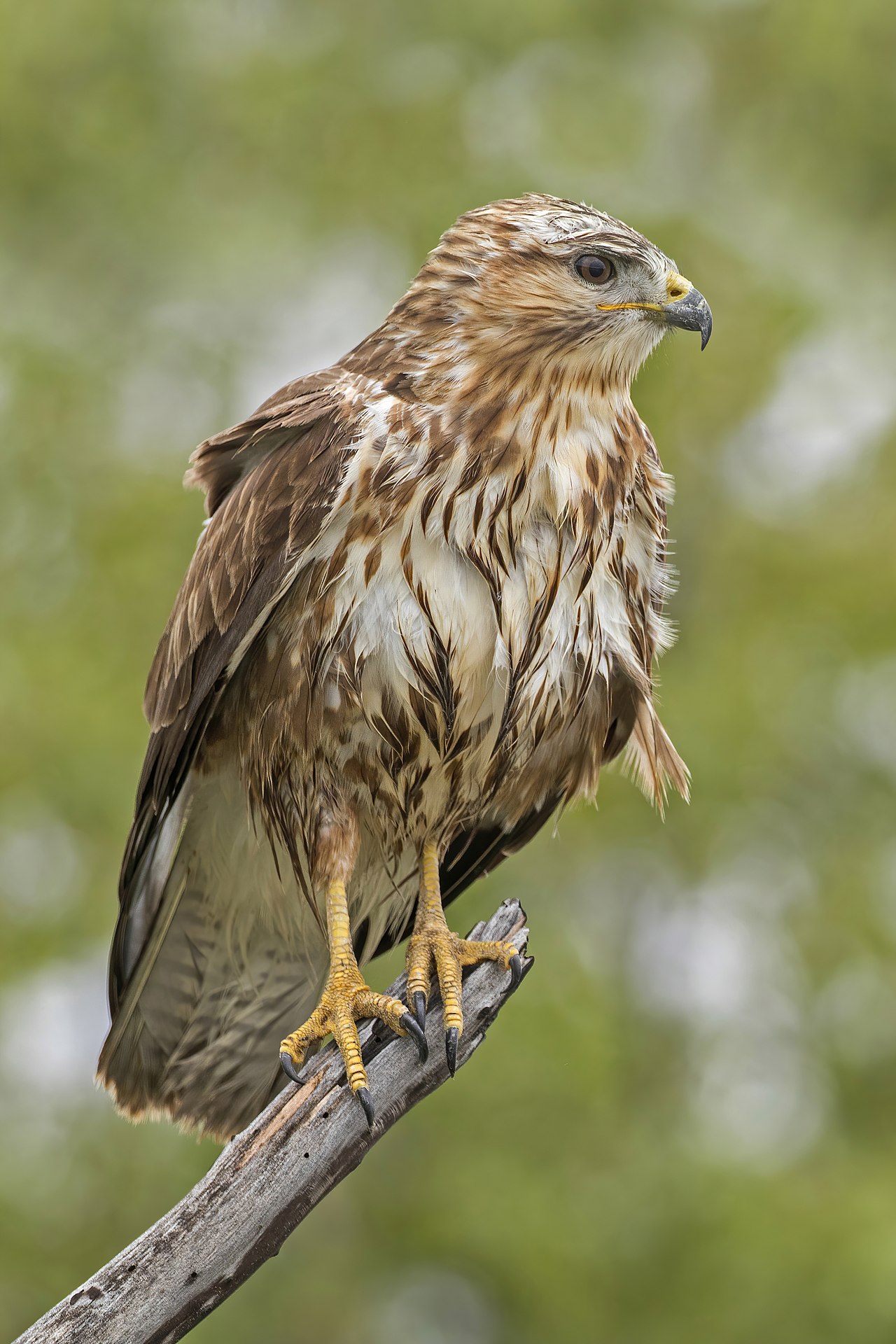
A male blackbird attempting to distract a male kestrel close to its nest


"Sing a Song for Sixpence" cover illustration
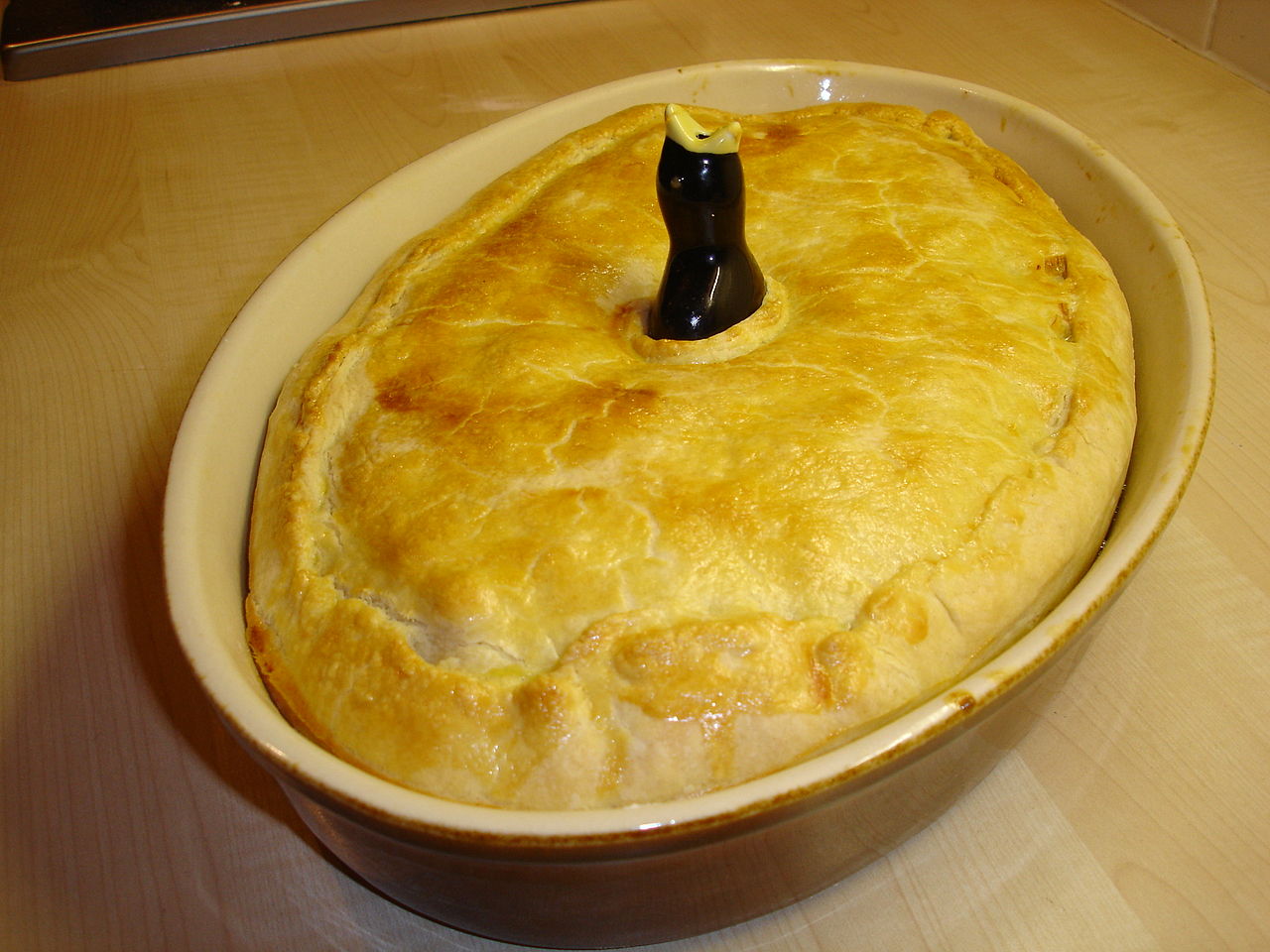
A pie with a traditional pie bird in the shape of a blackbird
Temperament
solitary and territorial
Flight Pattern
short rapid wingbeats with low, direct flight
Social Behavior
Typically seen singly or in pairs, with males defending territories vigorously during the breeding season. Nests are cup-shaped and built low in shrubs, trees or structures, using grasses and mud. Often produces two to three broods per season in favorable conditions. Outside breeding, may form loose feeding aggregations where food is abundant.
Migratory Pattern
Partial migrant
Song Description
Rich, melodious, fluting song delivered from prominent perches, especially at dawn and dusk. Phrases are varied and mellow, with pauses between motifs; alarm call is a sharp 'tchink' and a chattering rattle when disturbed.
Plumage
Male glossy black with a smooth, even texture; female dark brown with lighter mottling on throat and breast; juveniles brown with speckling.
Diet
Feeds mainly on earthworms, insects, spiders and other invertebrates during spring and summer. In autumn and winter, switches heavily to berries and fallen fruits such as rowan, holly and apples. Will probe lawns, leaf litter and soft soil, and occasionally takes small snails and slugs. Opportunistic around gardens, visiting feeders for fruit or suet.
Preferred Environment
Forages mostly on the ground in lawns, forest edges, hedgerows and gardens with ample cover. Uses shrubs and low branches as lookout and retreat while feeding. In dry periods concentrates in damp patches, compost heaps and freshly watered areas.