
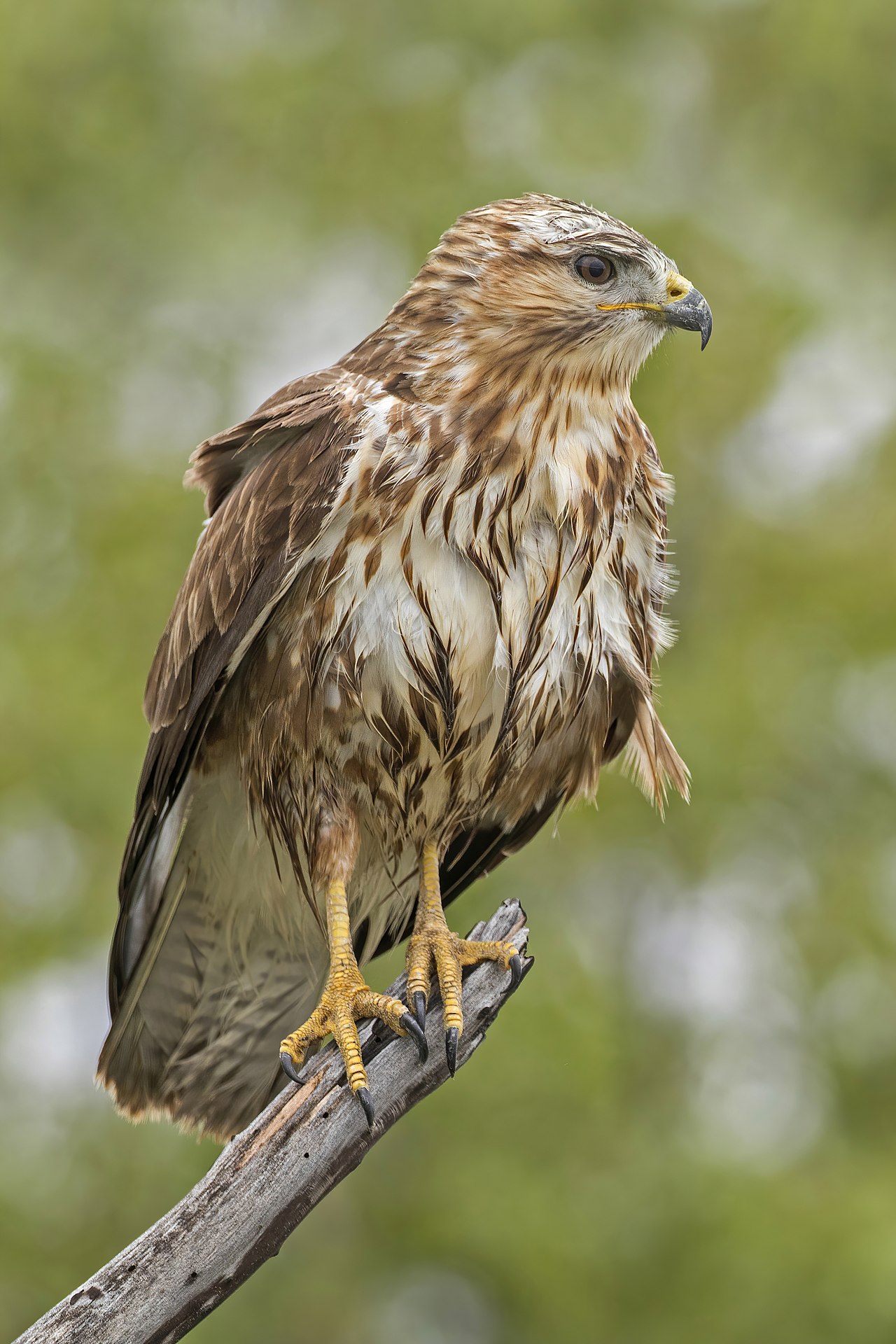
The common buzzard is a medium-to-large bird of prey which has a large range. It is a member of the genus Buteo in the family Accipitridae. The species lives in most of Europe and extends its breeding range across much of the Palearctic as far as northwestern China, far western Siberia and northwestern Mongolia. Over much of its range, it is a year-round resident. However, buzzards from the colder parts of the Northern Hemisphere as well as those that breed in the eastern part of their range typically migrate south for the northern winter, many journeying as far as South Africa.
Region
Europe and western Palearctic
Typical Environment
Found across most of Europe and extending through the Palearctic to western Siberia, northwestern China, and Mongolia. Prefers a mosaic of open country and woodland, including farmland, pastures, moorland, and forest edges. Often seen perched on posts or trees overlooking fields and along roadsides. Avoids dense unbroken forest but thrives in fragmented landscapes and human-modified environments. Northern and eastern breeders winter farther south into the Mediterranean, North Africa, and the Middle East.
Altitude Range
Sea level to 2500 m
Climate Zone
Temperate
Ease of Keeping
Beginner friendly: 1/5
A highly variable raptor, the common buzzard ranges from very dark to almost pale cream, which often causes identification challenges. It often soars in wide circles using thermals and gives a distinctive mewing call. Buzzards readily use woodland edges and farmland and will scavenge roadkill as well as hunt live prey. In much of Europe they are year-round residents, while northern and eastern populations migrate south in winter.


A typical intermediate brown buzzard of the nominate race (B. b. buteo) in the Netherlands

Buteo buteo rothschildi – MHNT

The steppe race of the common buzzard (B. b. vulpinus) is usually distinguished from the nominate race (B. b. buteo) by being more rufous in hue (and more polymorphic)

Buteo buteo vulpinus – MHNT

A dark individual from Europe

A pale individual in Europe

Although they can look compact when perched, buzzards may appear large and long-winged in flight.

Juvenile forest buzzards of Africa are extremely easy to mistake for juvenile common buzzards of the steppe race that come to winter in Africa.

Common buzzard often inhabit the interface of woods and open areas.

Buzzards spend much of their day perched.

A steppe buzzard migrating through Israel, where buzzards have one of the largest raptor migrations in the world.

An illustration of a buzzard preying on a rodent.

A buzzard with a freshly caught rodent, likely a vole.

A crow mobs a buzzard. Buzzards will readily prey on crows, especially their fledglings.

A buzzard that caught a large green whip snake but was flushed from its catch.

A steppe buzzard (B. b. vulpinus) with a medium lizard prey in Armenia.

A juvenile white-tailed eagle being mobbed by a pair of common buzzards over the Isle of Canna, as the eagle will sometimes prey on the buzzard.
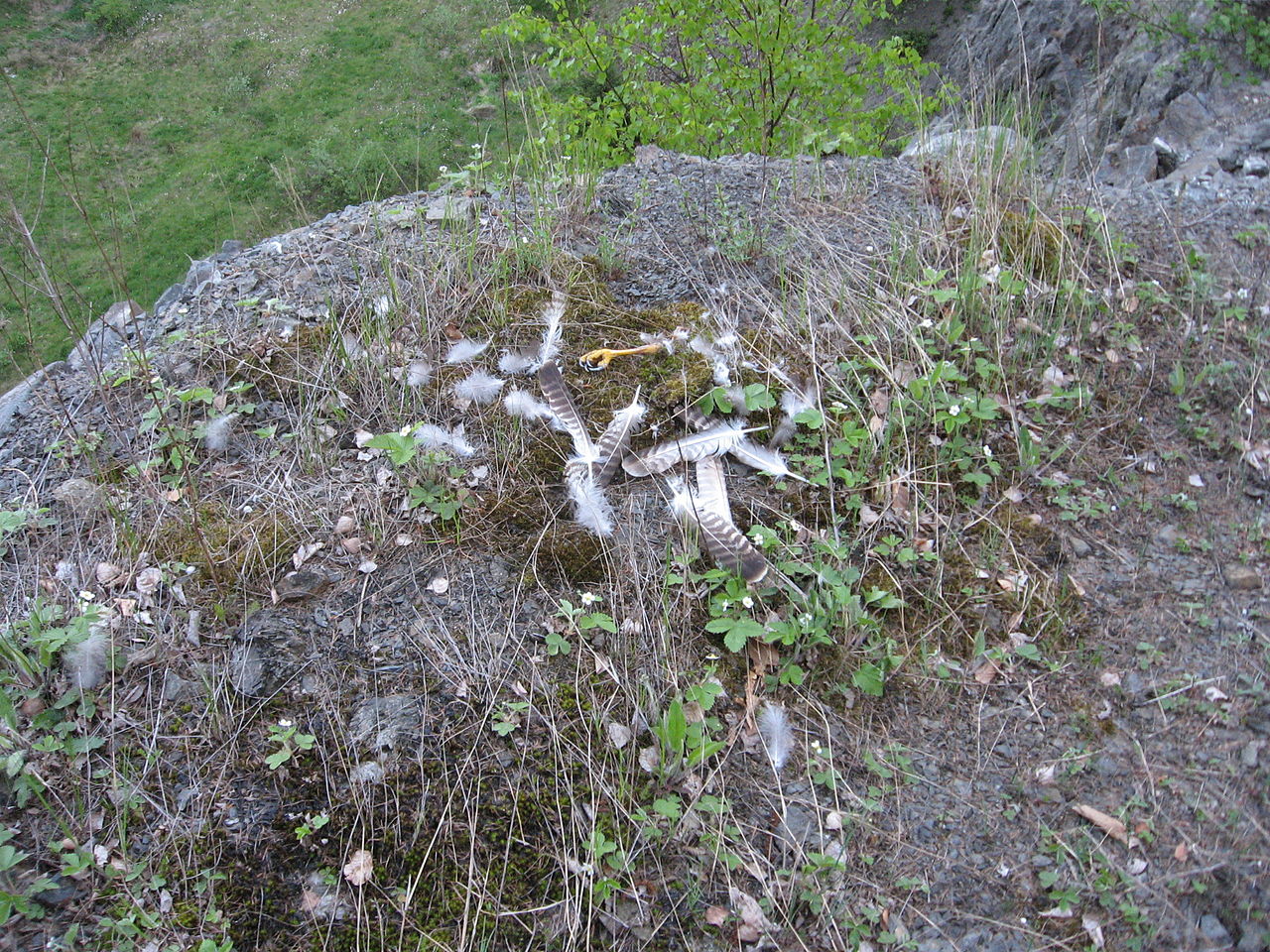
The remains of a common buzzard that was preyed on by a Eurasian eagle-owl.

A pair of common buzzards in Scotland.

A territorial dogfight between three buzzards in the Azores.

The much plainer egg of the common buzzard contrasted with that of the European honey buzzard.

Two young buzzard nestlings.

A common buzzard recent fledgling in a pine tree.

A wintering steppe buzzard in South Africa.


Temperament
solitary and territorial
Flight Pattern
soaring glider with occasional slow, deep wingbeats
Social Behavior
Typically forms long-term monogamous pairs that defend territories year-round. Nests are built high in trees (or on cliffs) and are often reused and refurbished. Clutches usually contain 2–4 eggs, and both parents provide care. Outside breeding, individuals may gather loosely at rich food sources or along migration routes.
Migratory Pattern
Partial migrant
Song Description
A distinctive, plaintive mewing call, often given while soaring: a drawn-out, cat-like 'pee-uu'. Other calls include harsh whistles and alarm notes near the nest.
Plumage
Extremely variable; from dark chocolate-brown to pale buff with mottling and streaking, typically with a paler breast band and barred tail.
Diet
Feeds mainly on small mammals such as voles, mice, and young rabbits; also takes birds, reptiles, amphibians, and large insects. Frequently scavenges carrion, including roadkill. Will opportunistically take earthworms during wet weather. Hunting strategies include perch-hunting, soaring and quartering, and occasional ground pouncing.
Preferred Environment
Hunts over open fields, pasture, and moorland, especially near woodland edges and hedgerows that provide perches. Common along road verges and in agricultural landscapes where prey is abundant.


