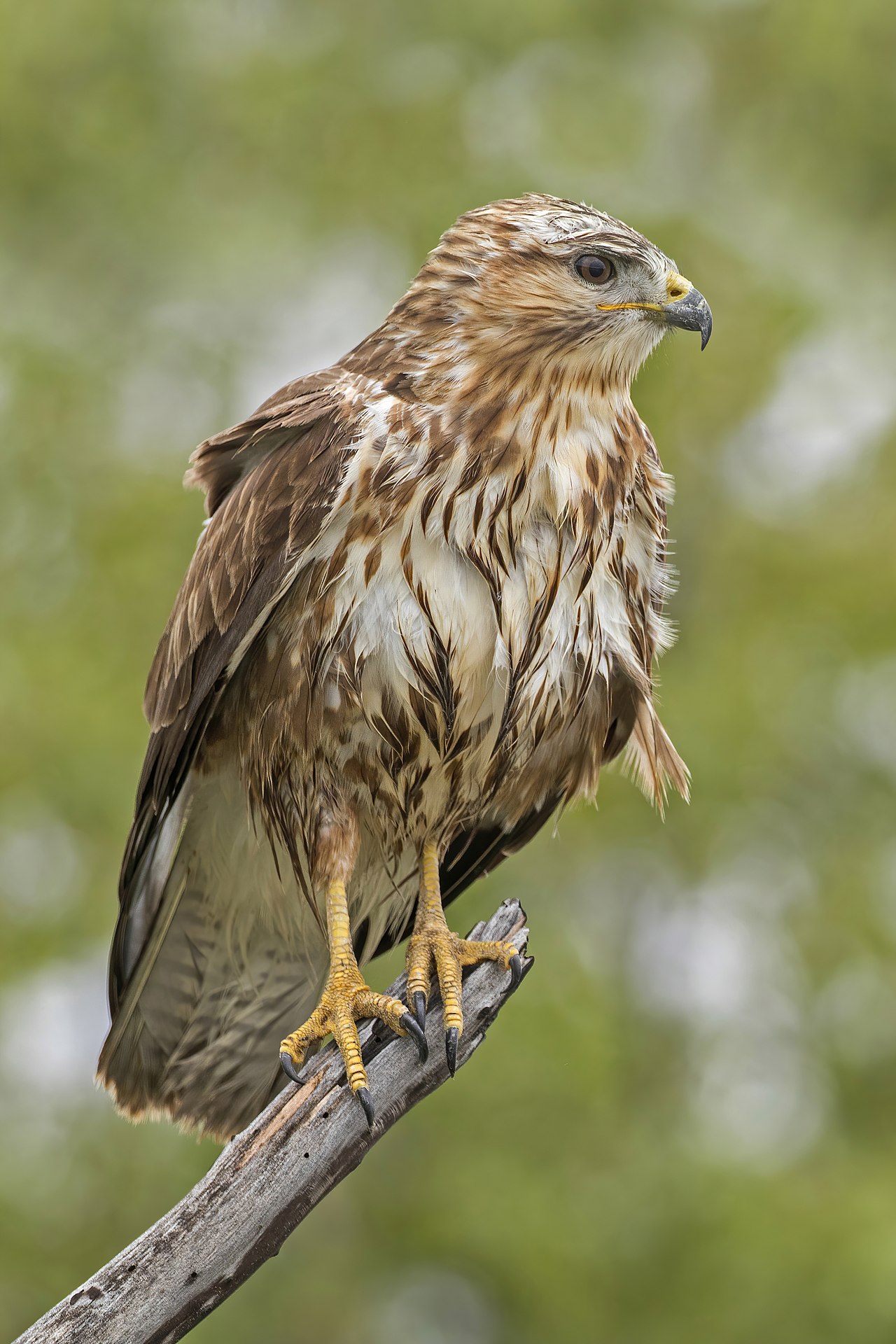
The common bronzewing is a species of medium-sized, heavily built pigeon. Native to Australia and one of the country's most common pigeons, the common bronzewing is able to live in almost any habitat, with the possible exception of very barren areas and dense rainforests. Its advertising call is an extraordinary mournful whooo repeated at metronomic intervals.
Region
Australia
Typical Environment
Widely distributed across mainland Australia and Tasmania, occurring from coastal heath and open forests to mallee, scrub, and lightly wooded farmland. It avoids dense rainforests and the most barren desert interiors but persists along watercourses and vegetated dunes. The species adapts well to edges of suburbs, roadsides, and cleared areas where seed is available. It is mainly terrestrial, moving between feeding areas and reliable water sources, and tolerates both arid and temperate landscapes.
Altitude Range
Sea level to 1500 m
Climate Zone
Other
Ease of Keeping
Beginner friendly: 2/5
Common Bronzewings are robust, ground-foraging pigeons notable for their iridescent bronze-green-purple wing panels that flash in sunlight. Their advertisement call is a slow, mournful whooo repeated at metronomic intervals and can carry a long distance. They require regular access to water and often visit waterholes daily, especially in arid areas. When flushed, they explode into rapid flight with loud wing-claps before settling again at a distance.


Temperament
wary and shy
Flight Pattern
strong, direct flight with rapid wingbeats
Social Behavior
Usually seen singly, in pairs, or small loose groups, especially around water. Monogamous pairs build a flimsy stick platform in low trees or shrubs, and both adults incubate and feed the young. Breeding can occur at various times of year and often follows rainfall in drier regions.
Migratory Pattern
Resident
Song Description
A slow, deeply resonant whooo delivered at steady, metronomic intervals, often repeated for long periods. Calls may be given from a perch or the ground and can carry across open country.
Plumage
Heavily built pigeon with overall brown to grey-brown body, pinkish wash on the breast, and intricate scalloping on the wings. The folded wing shows a striking iridescent panel of bronze, green, and purplish tones. Males tend to have a paler forehead and cleaner, warmer breast; females are duller and more mottled.
Diet
Primarily consumes seeds of native grasses, shrubs, and herbs, along with grains in cleared farmland. Also takes acacia seeds, eucalypt and other plant matter such as buds and small fruits. It may occasionally ingest small invertebrates incidentally while foraging. Grit is swallowed to aid seed grinding.
Preferred Environment
Feeds mostly on the ground in open woodland, mallee, heath, roadsides, and stubble fields. Regularly visits bare patches and track edges where seeds accumulate, and relies on nearby waterholes or farm dams.