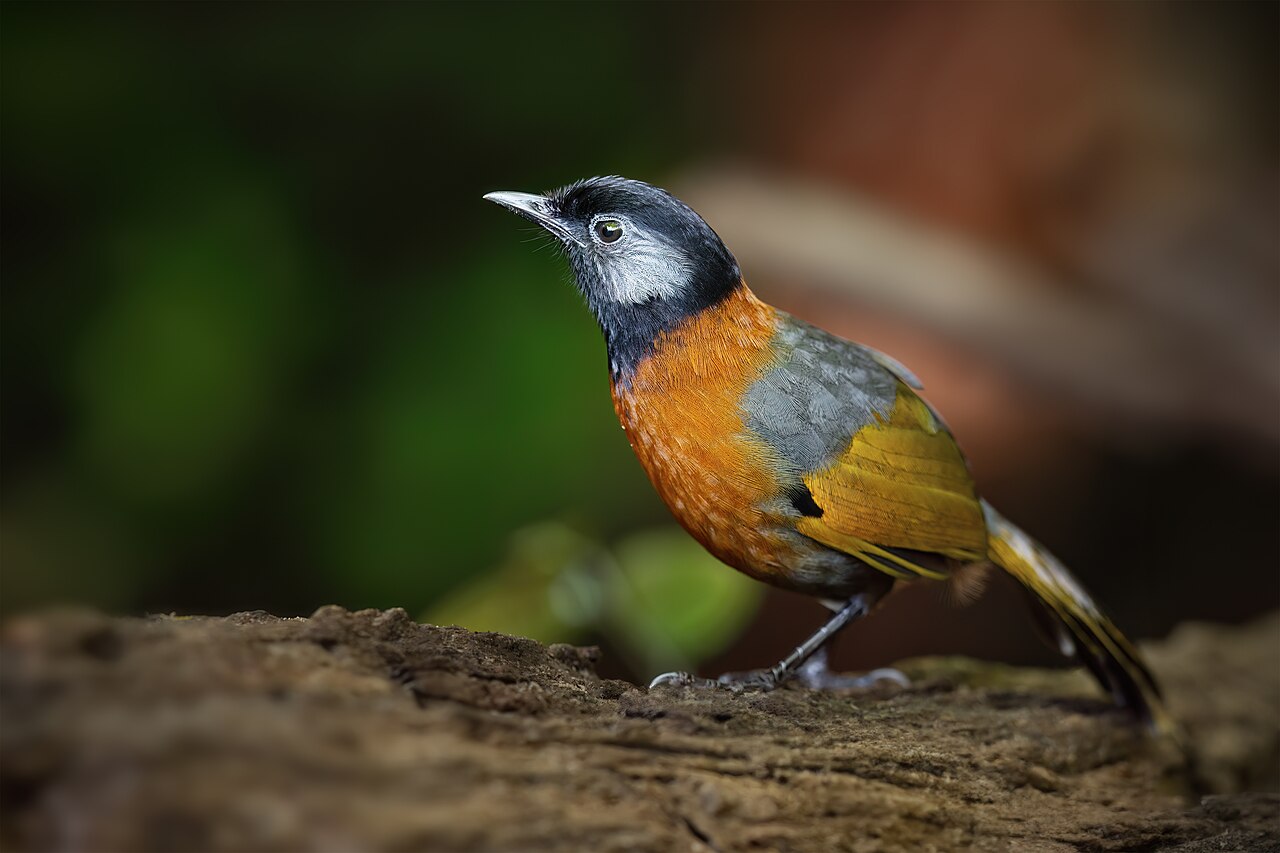
The collared lark or collared bushlark is a species of lark in the family Alaudidae found in East Africa.
Region
East Africa
Typical Environment
Occurs in dry savannas, open grassy plains, and Acacia–Commiphora bushland from coastal and eastern Kenya south into northeastern Tanzania, with populations also in adjacent parts of Somalia and Ethiopia. It favors short, sparse grass with patches of bare ground and low shrubs. Recently burned areas and lightly grazed pastures are frequently used. It avoids dense, tall grass and closed woodland. Human-modified open fields and road verges can also be used when cover remains low.
Altitude Range
0–1800 m
Climate Zone
Tropical
Ease of Keeping
Beginner friendly: 1/5
Also known as the collared bushlark, this East African lark favors open, dry grasslands and scrub. Males often perform fluttering song-flights during the rainy season. Its subtle plumage blends well with baked soils and sparse grasses, making it easy to overlook except when singing. It is generally common within suitable habitat and considered of least conservation concern.


Temperament
solitary and territorial
Flight Pattern
short rapid wingbeats with fluttering song-flights
Social Behavior
Usually seen alone or in pairs, especially during the breeding season. Territorial males sing from low perches or perform display flights during and after rains. Nests are shallow cups on the ground, tucked under a grass tuft or small shrub. Pairs are presumed monogamous for the season.
Migratory Pattern
Resident
Song Description
A series of ringing, buzzy trills and tinkling notes delivered from the ground or during a fluttering display flight. Phrases are repeated with pauses, carrying well over open country. Calls include soft chips and twitters when flushed.
Plumage
Sandy-brown upperparts finely streaked, with paler buff underparts and a contrasting darker breast band forming a ‘collar’ effect. Feathers are soft and cryptic, aiding camouflage in dry grass and soil. Often shows a slight, short crest when alert.
Diet
Feeds mainly on insects such as beetles, grasshoppers, termites, and their larvae. Will also take small spiders and other invertebrates gleaned from the ground. Seeds and small grass grains may be eaten opportunistically, especially outside peak insect periods. Foraging is mostly by walking and picking, with short dashes to capture prey.
Preferred Environment
Forages on bare ground, short-grass patches, and at the edges of low shrubs. Often exploits recently burned areas and lightly grazed sites where prey is more accessible. May feed along tracks and field margins in pastoral landscapes.