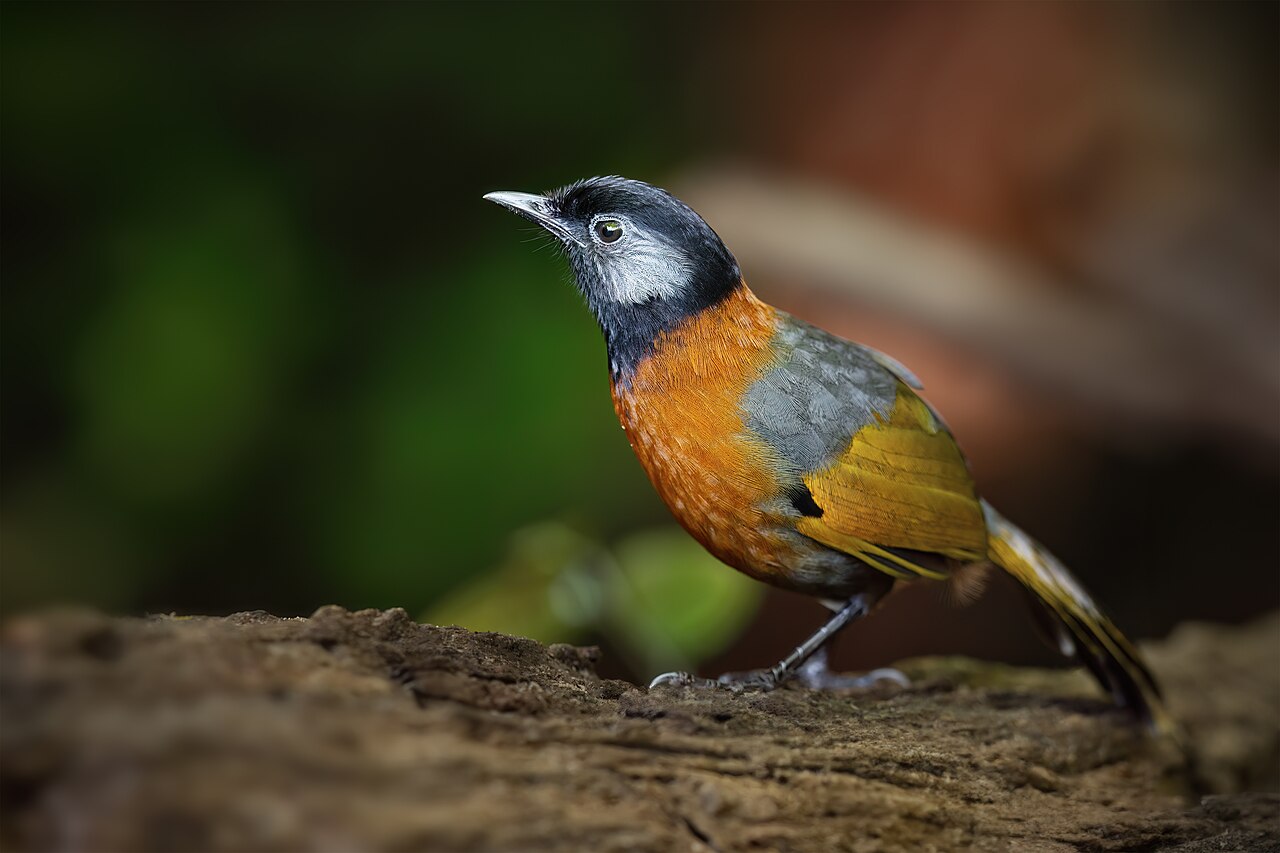
The collared imperial pigeon is a large pigeon native to New Guinea and adjacent islands.
Region
New Guinea and adjacent islands
Typical Environment
Occurs across the New Guinea lowlands and on nearby islands, inhabiting primary and secondary lowland rainforest, swamp forest, gallery forest, and mangroves. It favors tall forest along rivers and floodplains and often gathers at fruiting fig trees. The species generally avoids high mountains, staying in the warm, humid lowlands. Roosts are typically in emergent trees, and it may use coastal forest edges and islets.
Altitude Range
Sea level to 800 m
Climate Zone
Tropical
Ease of Keeping
Beginner friendly: 2/5
The collared imperial pigeon is a large canopy-dwelling pigeon that plays a key role as a seed disperser for many rainforest trees, especially figs. It often undertakes daily commuting flights between feeding areas and roosts, sometimes crossing broad rivers or coastal mangroves. Although locally hunted, it remains widespread in suitable lowland forests.

Temperament
shy and wary
Flight Pattern
strong flier with direct, powerful wingbeats
Social Behavior
Often seen in pairs or small groups, but may form larger flocks at abundant fruit sources. Nests high in trees on a simple twig platform, typically laying a single egg. Both parents share incubation and chick-rearing duties.
Migratory Pattern
Resident
Song Description
A series of deep, resonant coos, often delivered from concealed canopy perches. Calls carry far through the forest, with repeated booming notes spaced at steady intervals.
Plumage
Pale grey head and neck with a narrow, dark hindneck collar contrasting with a darker slaty-grey body. Upperparts are deep grey with a subtle greenish sheen on the wings; underparts are darker grey. Tail broad and dark, with a slight gloss.
Diet
Primarily eats figs and other fleshy fruits from rainforest trees and palms, swallowing fruit whole and dispersing seeds over long distances. Will visit seasonal fruiting trees and may track local abundance. Rarely takes seeds or invertebrates incidentally while feeding.
Preferred Environment
Feeds high in the canopy and along forest edges, including riverine corridors and mangroves. Frequently visits large fruiting figs near waterways and clearings.