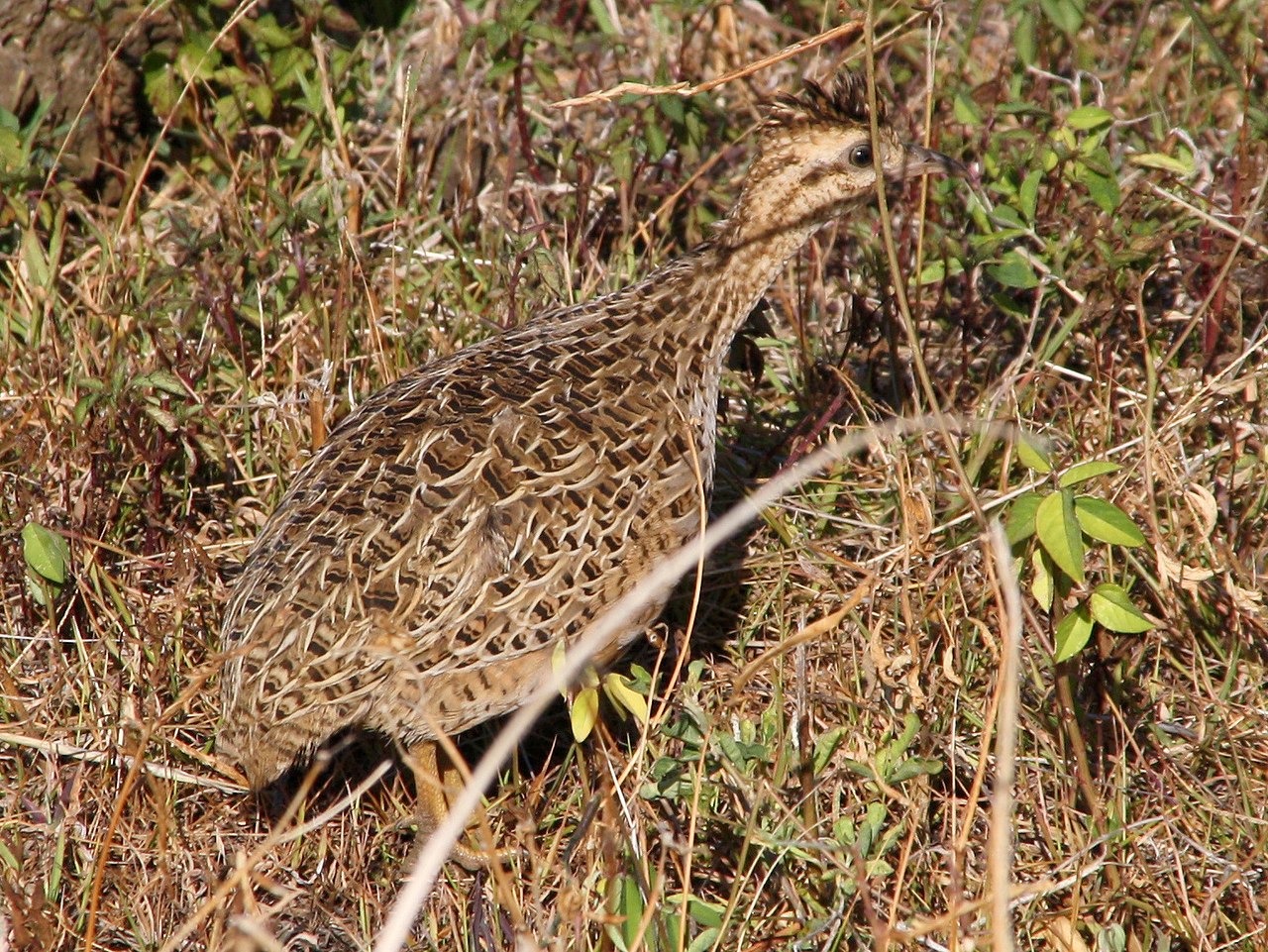
The Chilean hawk is a bird of prey species belonging to the family Accipitridae. It was formerly placed in the genus Accipiter. It breeds in Andes forests from central Chile and western Argentina south to Tierra del Fuego, from sea level to 2,700 m altitude. Some winter apparently in the lowlands of NW Argentina.
Region
Southern Andes and Patagonia
Typical Environment
Occurs from central Chile and western Argentina south to Tierra del Fuego, occupying temperate Andean and sub-Andean forests. It uses mature Nothofagus stands, mixed evergreen woods, and forest edges, and also hunts along riparian corridors and clearings. In winter, some individuals move into lower elevation woodlands and foothill scrub, especially in northwestern Argentina. It generally avoids open treeless plains, preferring mosaic landscapes with substantial tree cover.
Altitude Range
Sea level to 2700 m
Climate Zone
Temperate
Ease of Keeping
Beginner friendly: 1/5
This forest-dwelling raptor is a swift, agile hunter that threads through dense Andean woods to surprise prey. It favors temperate Nothofagus (southern beech) and mixed evergreen forests and may descend to lower elevations in winter. Juveniles are brown and heavily streaked below, maturing into the crisp gray-and-white adult plumage. Habitat loss and fragmentation can locally affect the species, but it persists where sizable woodlands remain.


Temperament
solitary and territorial
Flight Pattern
short rapid wingbeats with quick, agile dashes through cover
Social Behavior
Typically hunts alone from concealed perches or by sudden dashes along forest edges. Pairs are monogamous during the breeding season and build stick nests high in large trees. Clutches usually contain 2–3 eggs; both adults help provision the young, which fledge after several weeks.
Migratory Pattern
Partial migrant
Song Description
Generally quiet, but during breeding gives sharp, high-pitched kek-kek series and squealing whistles. Alarm calls are rapid, repeated notes that carry through the forest.
Plumage
Adults have dark slate-gray upperparts with a paler gray nape and finely barred white underparts tinged rufous; the tail shows broad dark bands and a rounded tip. The throat is whitish with fine streaking and the under-tail coverts are usually white. Juveniles are brown above with buff edges and have streaked to barred underparts. Wings are relatively short and rounded, adapted for maneuvering through forest.
Diet
Primarily preys on small to medium-sized birds such as thrushes, pigeons, and woodpeckers. Also takes small mammals including rodents, and occasionally reptiles and large insects. Hunts by ambush from shaded perches and by rapid pursuit through gaps in the canopy. Prey is plucked on a perch or stump before consumption.
Preferred Environment
Forages within forest interiors, along edges, and in semi-open mosaics with sheltering trees. Frequently uses riparian strips, forested ravines, and secondary growth near mature woodland.