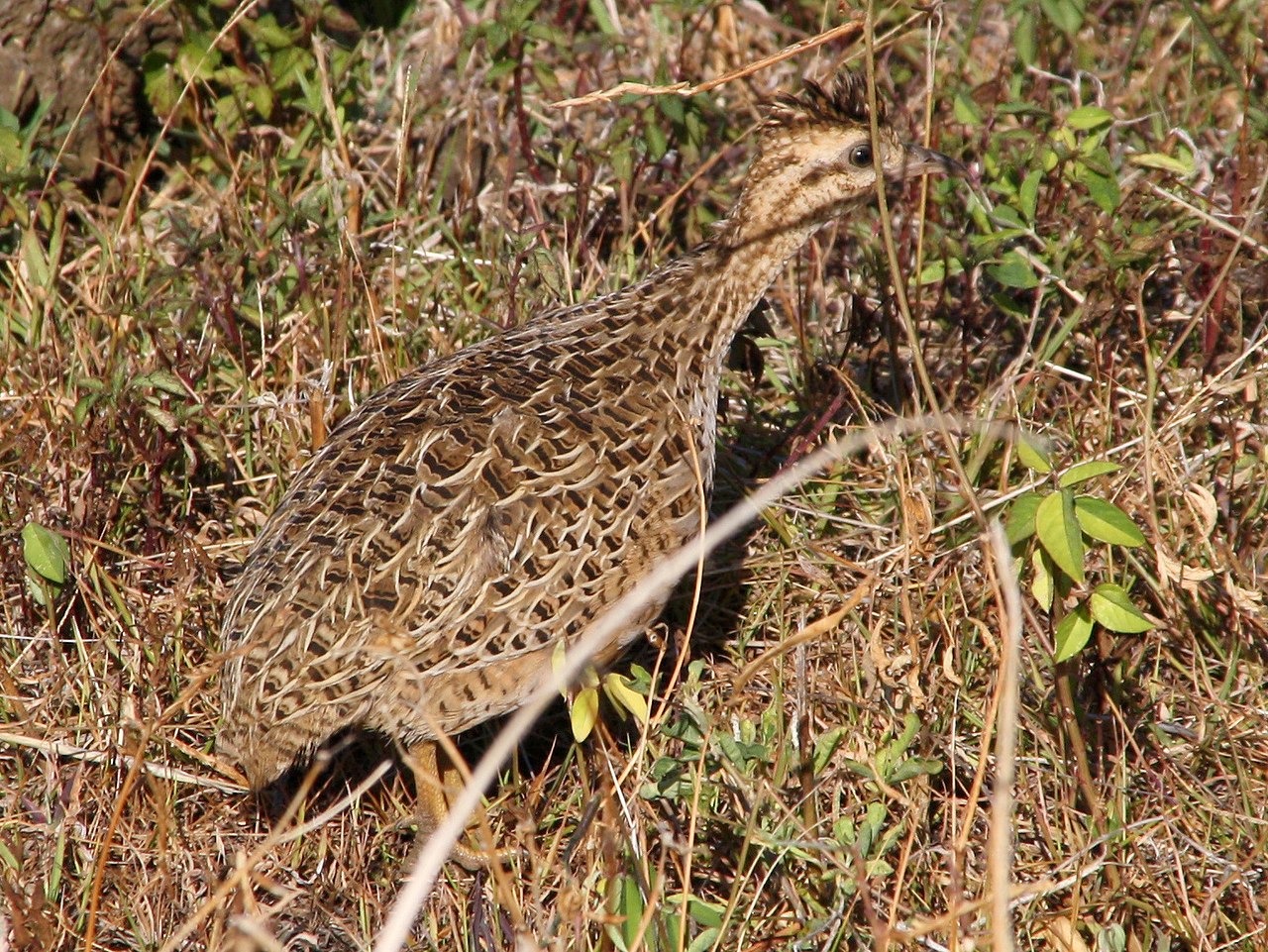
The Chilean seaside cinclodes or simply seaside cinclodes is a species of bird in the Furnariinae subfamily of the ovenbird family Furnariidae. It is endemic to Chile.
Region
Pacific coast of Chile
Typical Environment
Occurs along the northern and central Chilean coastline, favoring exposed rocky shores, headlands, and coastal islets. It forages in the intertidal zone, including tide pools, barnacle- and mussel-covered rocks, and lines of stranded kelp. The species is also seen around man-made structures such as piers and breakwaters. It rarely ventures far inland, typically staying within sight and sound of surf.
Altitude Range
Sea level to 200 m
Climate Zone
Arid
Ease of Keeping
Beginner friendly: 1/5
A shoreline specialist, the Chilean seaside cinclodes spends most of its life in the spray zone of rocky coasts, often foraging among tide pools and kelp wrack. It frequently allows close approach as it darts over wave-washed rocks searching for small invertebrates. Nests are placed in crevices, burrows, or holes in rock walls, and pairs defend short stretches of coastline.


Temperament
confiding and active
Flight Pattern
low, direct flight with short rapid wingbeats, often skimming above rocks
Social Behavior
Typically found singly or in pairs, sometimes small family groups. Pairs maintain and defend short coastal territories. Nests are placed in rock crevices, cavities, or burrows, lined with plant material and feathers. Likely monogamous during the breeding season.
Migratory Pattern
Resident
Song Description
Song is a simple, thin trill or series of high, buzzy notes delivered from a rock perch. Calls include sharp chips and squeaky contact notes, often heard over surf noise.
Plumage
Sooty-brown to dark earth-brown overall with a paler, often whitish throat and a buffy supercilium. The underparts are dusky with fine, pale mottling on the throat and upper breast. In flight, rufous tones show in the wing coverts and tail edges.
Diet
Feeds on small marine and shoreline invertebrates, including amphipods, isopods, small crustaceans, mollusks, and polychaete worms. It also picks insects and larvae from stranded kelp and algae. Prey is gleaned from rock surfaces and probed from crevices and tide pools.
Preferred Environment
Most often forages on wave-splashed rocky benches, boulder fields, and tide pools within the intertidal zone. It also uses kelp wrack lines and harbor structures such as jetties and breakwaters.