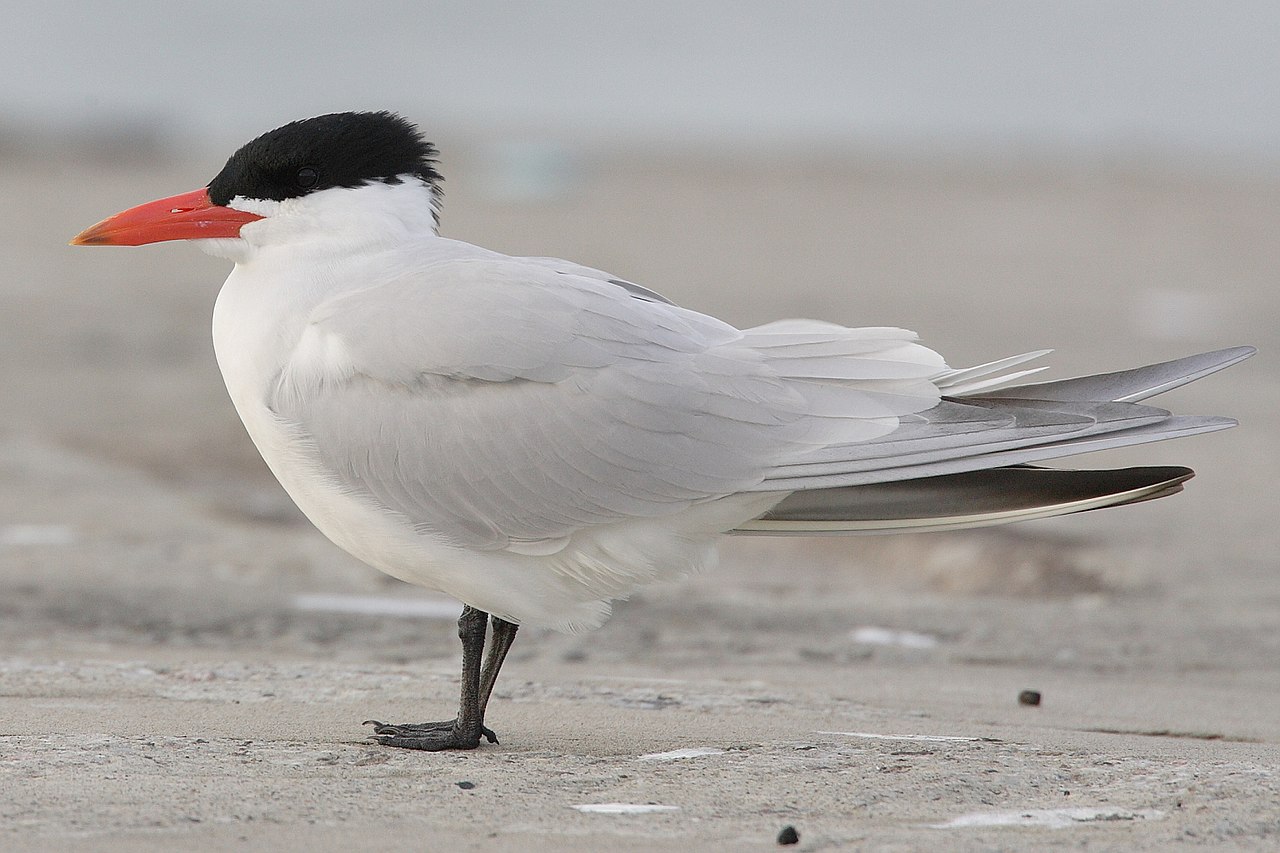
The Caspian plover is a wader in the plover family of birds. The specific asiaticus is Latin and means "Asian", although in binomials it usually means the type locality was India.
Region
Central Asia to East and Southern Africa
Typical Environment
Breeds on open semi-desert, short-grass steppe, and saline or alkaline flats around the Caspian region and adjacent Central Asia. During migration it uses dry fallow fields, saltpans, and sparsely vegetated plains. In the non-breeding season it is found on short-grazed grasslands, lake margins, coastal saltflats, and agricultural land in East and Southern Africa. It prefers wide, unobstructed vistas with very low vegetation and patches of bare ground.
Altitude Range
0–1800 m
Climate Zone
Arid
Ease of Keeping
Beginner friendly: 1/5
Despite the name, the Caspian plover breeds on semi-arid steppes and saline flats in Central Asia and migrates thousands of kilometers to winter mainly in East and Southern Africa. Males show a striking chestnut breast band bordered with black in breeding plumage, which mostly disappears outside the season. It favors very open, dry ground and often associates with other waders on passage and in winter.


Caspian plover in winter plumage

Charadrius asiaticus - MHNT
Temperament
wary and active
Flight Pattern
strong flier with rapid, direct wingbeats
Social Behavior
Breeds in loose colonies or dispersed pairs, nesting in a simple ground scrape with minimal lining. Both sexes share incubation and chick care. Outside the breeding season it forms small to large flocks, often mixing with other waders and coursers on open flats.
Migratory Pattern
Seasonal migrant
Song Description
Calls are clear, piping whistles and soft trills, often given in flight over breeding grounds. Alarm notes are sharper, carrying across open country.
Plumage
Slim, long-legged plover with sandy-brown upperparts and clean white underparts; breeding males show a rich chestnut breast band sharply bordered by black and white. Non-breeding birds are paler and lack the bold chest band, with a faint buffy breast wash and strong white supercilium.
Diet
Feeds mainly on insects such as beetles, ants, termites, grasshoppers, and other small arthropods; also takes small worms and crustaceans on saline flats. Forages by running and pausing, then pecking or snapping prey from the surface. Will follow grazing animals or exploit recently ploughed fields where prey is exposed.
Preferred Environment
Open, sparsely vegetated ground with short turf or bare patches, including saltpans, lake margins, and dry agricultural fields. Often feeds on firm substrates where visibility and maneuverability are high.