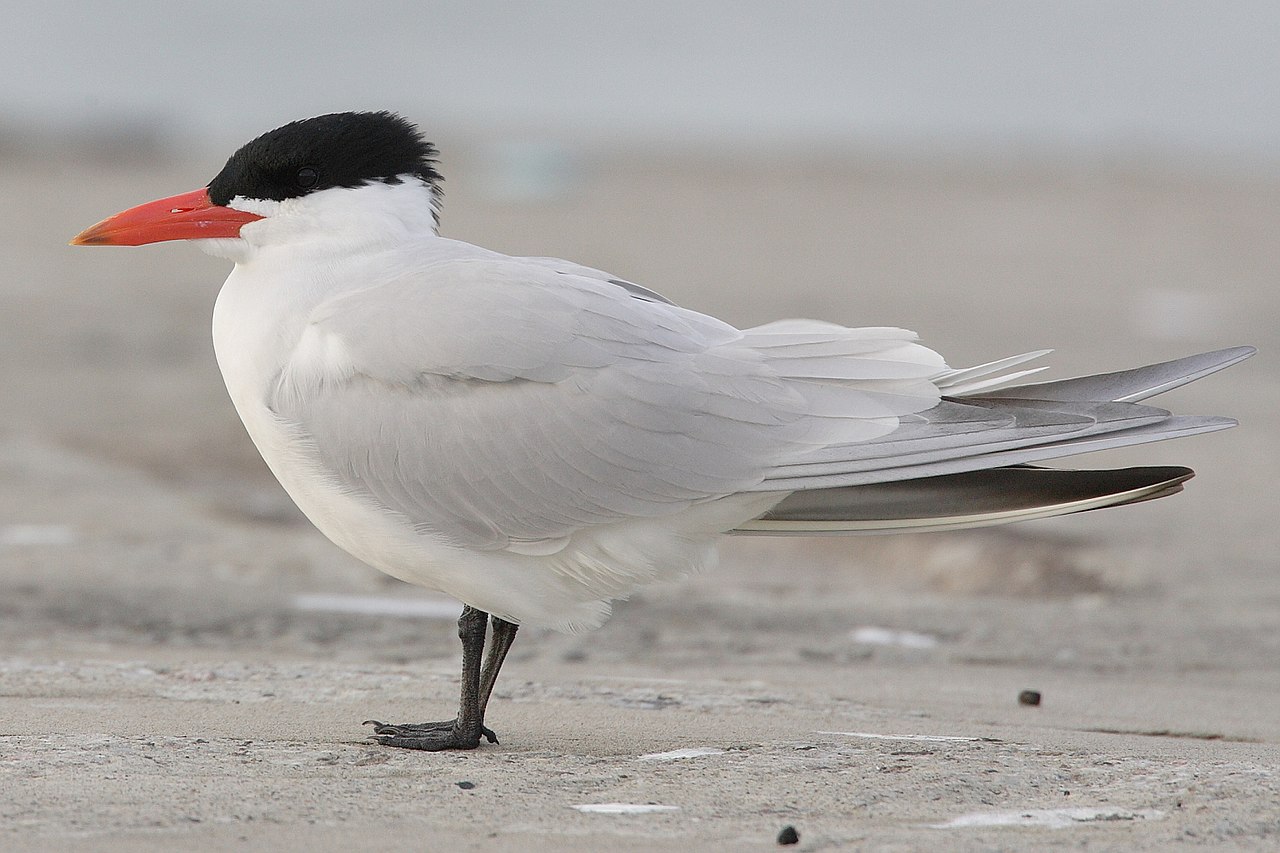
The Caspian snowcock is a snowcock in the pheasant family Phasianidae of the order Galliformes, gallinaceous birds. Dari partridge or valley partridge [2] is the name of a species of the subfamily of partridges and pheasant family. Its origin is the north of Afghanistan, areas of the Hindu Kush mountains and a large area of Takhars slopes
Region
Southwest and Central Asia
Typical Environment
This species inhabits high mountain ranges from eastern Turkey and the Armenian Highlands through Nakhchivan and northern Iran (Alborz and Zagros ranges), extending eastward to the Kopet Dag along the Iran–Turkmenistan border. It favors steep, rocky slopes, scree fields, and open alpine meadows interspersed with cliffs and sparse shrubs. Breeding occurs above the treeline where cover is limited but vantage points are numerous. In winter it may descend locally to lower, snow-free ridges and south-facing slopes. The species is largely sedentary, with short altitudinal movements in response to snow and food availability.
Altitude Range
1800–4000 m
Climate Zone
Highland
Ease of Keeping
Beginner friendly: 1/5
The Caspian snowcock is a large high-mountain gamebird of the pheasant family, often detected by its loud, far-carrying whistled calls at dawn. It prefers rocky alpine slopes above the treeline and typically runs uphill before taking a powerful, gliding flight. Outside the breeding season it gathers in small, wary coveys and can be difficult to approach. Its cryptic plumage blends closely with scree and shattered rock.

Temperament
wary and alert, loosely gregarious outside breeding season
Flight Pattern
explosive take-off with short rapid wingbeats followed by long glides downslope
Social Behavior
Pairs form in spring, and males call from prominent rocks to advertise and defend territories. Nests are shallow scrapes hidden among stones or low vegetation, with the female incubating and the male acting as a sentinel. After hatching, family groups may join into small coveys that forage together on open slopes.
Migratory Pattern
Resident
Song Description
The voice is a loud, fluting whistle that carries far in mountain air, often delivered in sequences at dawn and dusk. Alarm calls are harsher, with chattering notes as birds flush and glide away across the slope.
Plumage
Heavily mottled grey-brown upperparts with a pale grey head, bold white throat patch bordered by a black moustachial stripe, and finely barred flanks with chestnut tones. Underparts are paler with chestnut on the sides and undertail. In flight it shows a striking pale wing panel and broad wings suited to gliding.
Diet
Feeds mainly on alpine plant material including shoots, leaves, seeds, bulbs, and berries. During the breeding season it supplements with insects and other small invertebrates to meet higher protein needs, especially for chicks. Foraging involves deliberate walking and picking among rocks and short turf.
Preferred Environment
Open alpine meadows, scree margins, and south-facing slopes where snow melts early. Often feeds near patches of low shrubs or boulder fields that offer quick cover.