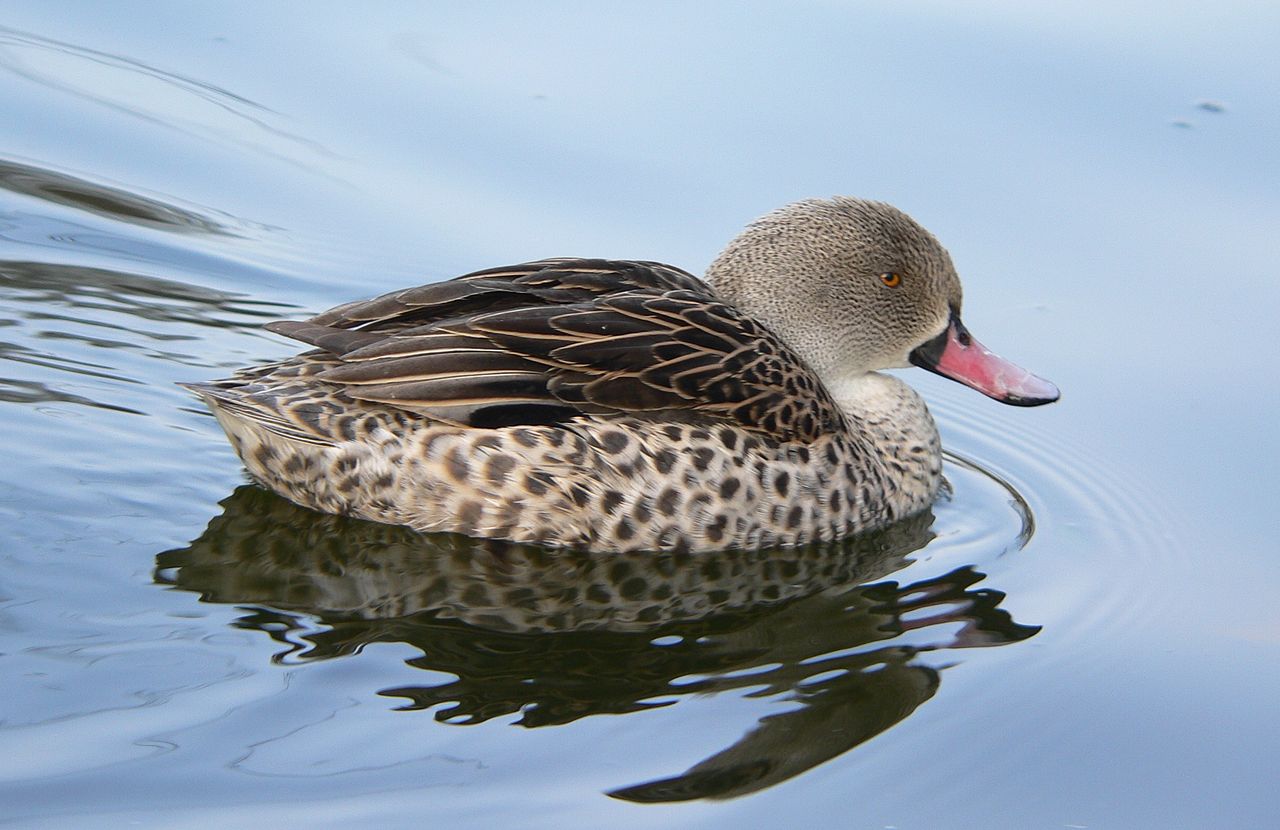
The Cape sugarbird is one of the eight bird species endemic to the Fynbos biome of the Western Cape and Eastern Cape provinces of South Africa.
Region
Cape Floristic Region, South Africa
Typical Environment
Occurs throughout fynbos habitats dominated by Protea, Leucospermum, and Leucadendron on coastal lowlands and mountain slopes. It is frequent in mature protea stands, rocky hillsides, and montane shrublands, and also visits gardens and farms where proteas are cultivated. After fires it returns as flowering shrubs recover. The species is closely tied to winter-rainfall Mediterranean-type shrublands but can use adjacent coastal scrub during nectar scarcity.
Altitude Range
Sea level to 1800 m
Climate Zone
Temperate
Ease of Keeping
Beginner friendly: 1/5
A specialist of South Africa’s fynbos, the Cape sugarbird is a key pollinator of Protea and pincushion (Leucospermum) flowers, using a brush-tipped tongue to lap nectar. Males have extremely long tail streamers used in display flights that produce a distinctive whirring sound. They also take insects for protein, especially when feeding chicks, and may wander locally to track flowering peaks. Together with Gurney’s sugarbird, it forms one of only two species in the family Promeropidae.


Temperament
territorial and active
Flight Pattern
short rapid wingbeats with darting flights; males perform display flights with tail whirring
Social Behavior
Usually seen singly or in pairs, defending nectar-rich shrubs and driving off sunbirds and rivals. Monogamous pairs build a cup nest in dense shrubbery, timed with peak protea flowering. Courtship involves display flights and tail fanning by the male.
Migratory Pattern
Partial migrant
Song Description
Vocalizations include harsh churring, rattling trills, and sharp chack notes. During displays the male adds mechanical tail-produced whirs, and calls become more frequent around rich flowering stands.
Plumage
Brown to grey-brown upperparts with heavily streaked greyish-buff underparts and a bright yellow vent; males have very long, graduated tail streamers.
Diet
Primarily feeds on nectar from proteas and pincushions, using a brush-tipped tongue to lap nectar while perched. Takes insects and spiders gleaned from foliage or hawked in short sallies, providing essential protein, particularly for nestlings. Pollen often coats the bill and face, aiding pollination as the bird moves between blooms.
Preferred Environment
Feeds in mature fynbos with abundant flowering Proteaceae, especially on hillsides and ridges where shrubs are exposed. Also frequents gardens, orchards, and park plantings that include proteas and related ornamentals.