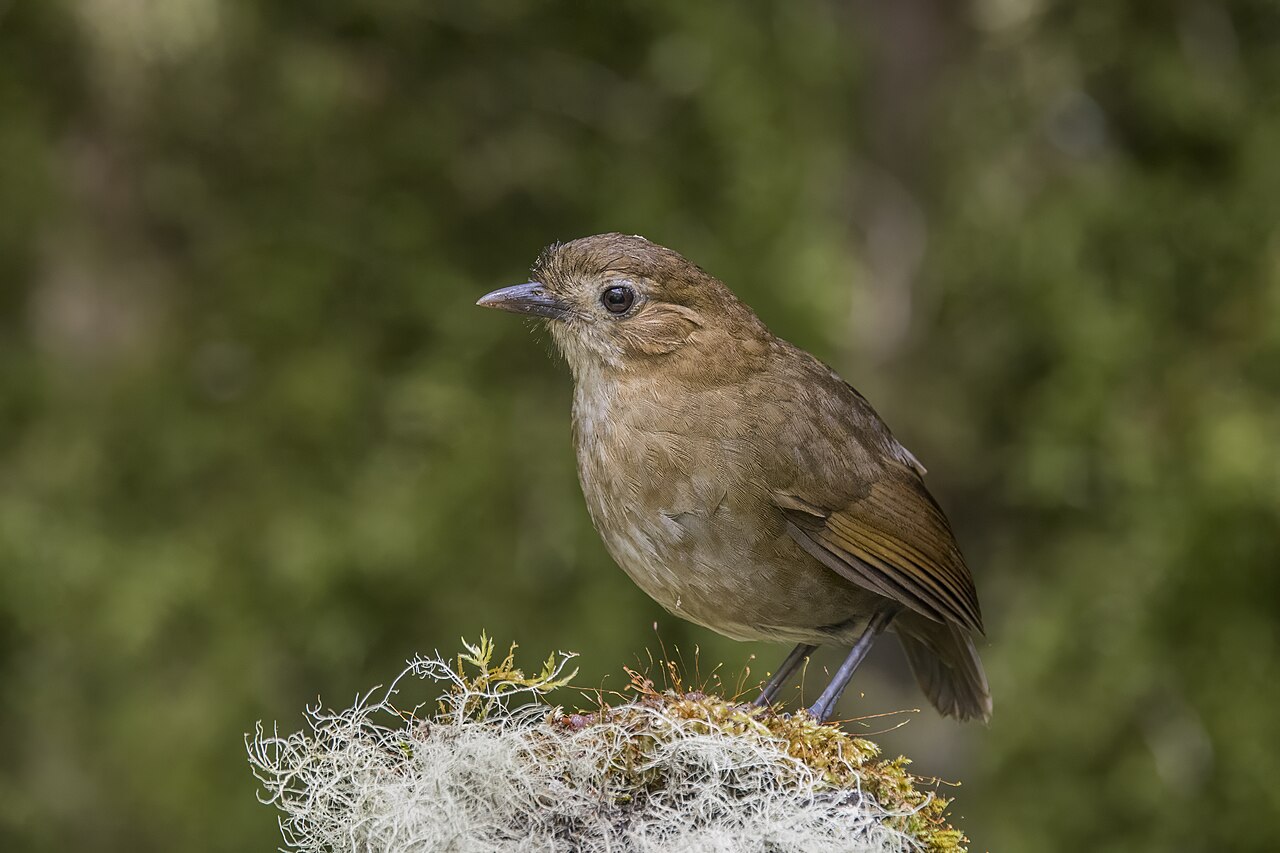
The brown-backed woodpecker is a species of bird in the woodpecker family Picidae. It is found in a belt across the savannah region of sub-Saharan Africa from Senegal in the west to Ethiopia, Kenya and Tanzania in the east. It is generally uncommon, but has a very large range and the population appears to be steady, so the International Union for Conservation of Nature has rated its conservation status as being of "least concern".
Region
Sub-Saharan Africa (Sahel and Sudanian zones)
Typical Environment
Occurs in a broad belt from West Africa (e.g., Senegal and Gambia) across the Sahel and Sudanian savannas to Ethiopia, Kenya, and northern Tanzania. It frequents open and semi-open habitats, especially acacia and mixed thorn woodland, riparian strips, parkland, and scattered trees in farmland. The species tolerates lightly human-modified landscapes provided mature trees and dead limbs remain. It is generally local and unobtrusive but widespread where suitable habitat persists.
Altitude Range
0–2400 m
Climate Zone
Tropical
Ease of Keeping
Beginner friendly: 1/5
A small, inconspicuous woodpecker of the Sahel and Sudanian savannas, it favors thorny acacia woodlands and wooded farmland. Males typically show a small red patch on the hindcrown, lacking in females. Its drumming is soft and brief compared to many larger woodpeckers, and it often forages on slender branches rather than large trunks.


Temperament
solitary and territorial
Flight Pattern
short rapid wingbeats with bounding, undulating flight
Social Behavior
Usually seen singly or in pairs, often moving quietly through the mid-canopy and outer branches. Pairs maintain territories and excavate nest cavities in dead or decaying wood. Clutch sizes are small, and both sexes participate in nest excavation and care.
Migratory Pattern
Resident
Song Description
Vocalizations include soft, high-pitched 'peek' or 'tik' notes given singly or in short series. Drumming is a brief, dry roll, often quieter than that of larger woodpeckers and used for territorial signaling.
Plumage
Upperparts largely warm brown to dusky brown with subtle barring on wings; tail dark brown. Underparts off-white to buff with fine brown streaking on breast and flanks. Head brownish with pale eyebrow and darker malar stripe; throat paler. Feathers appear tight and smooth, with minimal gloss.
Diet
Feeds mainly on ants, termites, beetles, and other small insects, including their larvae. It gleans and probes bark, twigs, and dead wood, and will peck into soft, decayed branches for concealed prey. Occasionally takes scale insects and other arthropods from leaves and small branches.
Preferred Environment
Forages on small to medium branches of acacias and other savanna trees, often in the mid to outer canopy. Uses dead limbs, snags, and termite-riddled wood where prey density is highest. Will also work along riparian trees and scattered trees in agroforestry landscapes.