The bronzy inca is a species of hummingbird in the "brilliants", tribe Heliantheini in subfamily Lesbiinae. It is found in Bolivia, Colombia, Ecuador, Peru, and Venezuela.
Region
Northern and Central Andes
Typical Environment
Occurs along humid montane slopes and cloud forests from Venezuela through Colombia and Ecuador to Peru and locally into Bolivia. It favors forest edges, clearings with flowering shrubs, and secondary growth near ravines. The species is a frequent visitor to gardens and feeders in Andean towns within its elevational band. It tracks flowering events and may shift locally along slopes as resources change.
Altitude Range
1200–3400 m
Climate Zone
Highland
Ease of Keeping
Beginner friendly: 1/5
The bronzy inca is a medium-sized hummingbird of Andean cloud forests, named for its distinctive bronzy, coppery sheen. It often defends rich flower patches but will also visit garden feeders in montane towns and villages. Females alone build the small cup nest and rear the young, while males focus on defending feeding territories. It makes short elevational movements following blooming cycles.


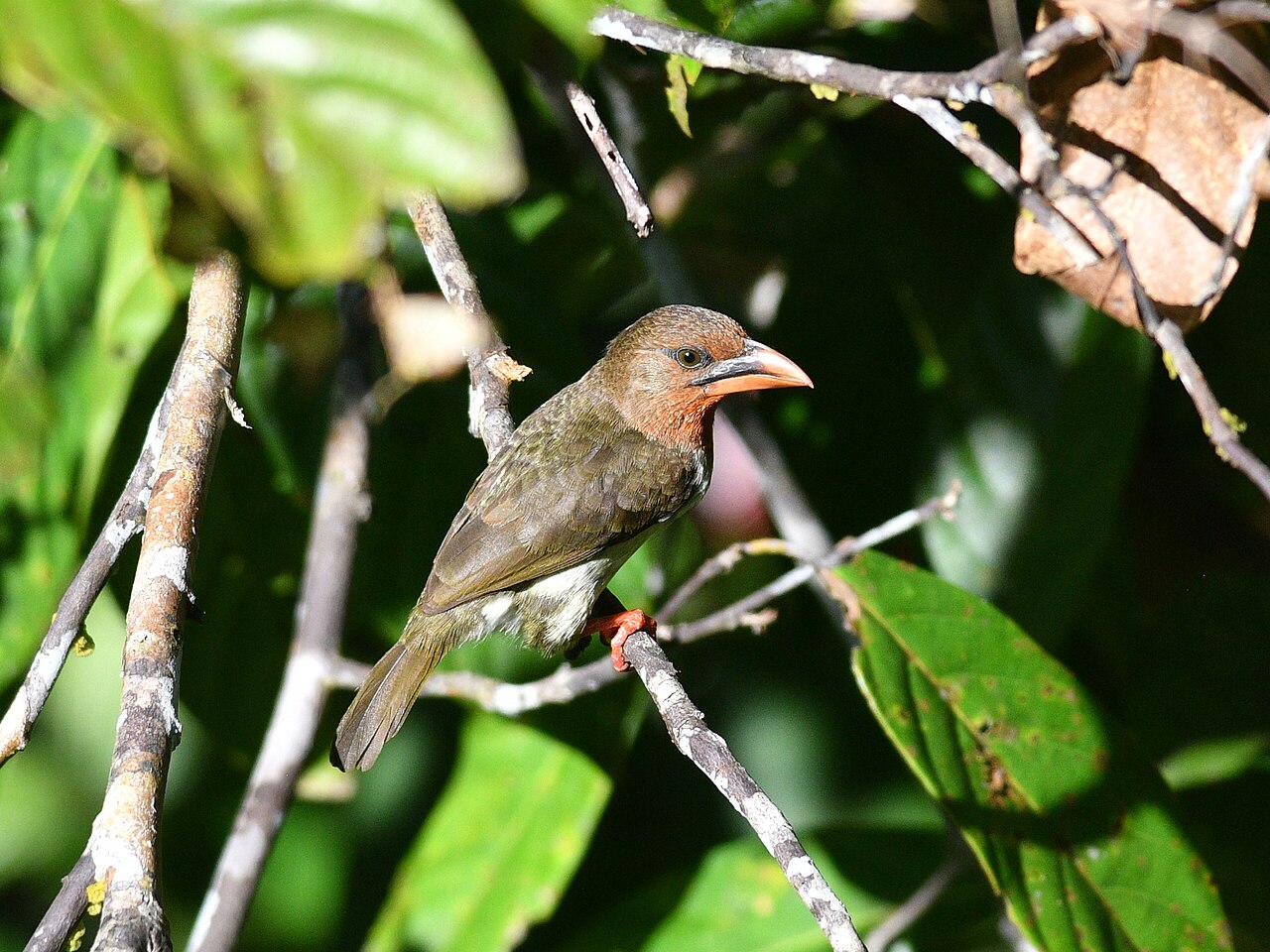
Bronzy Inca, photo taken at San Isidro Lodge (east slope), Ecuador.

Temperament
solitary and territorial
Flight Pattern
short rapid wingbeats
Social Behavior
Typically solitary at flowers and strongly defends rich nectar sources from other hummingbirds. Courtship involves fast chases and display flights. The female builds a small cup nest of plant fibers and lichens, usually on sheltered ledges or branches, and incubates alone.
Migratory Pattern
Resident
Song Description
Vocalizations are a series of thin, high-pitched tseet and tzip notes, given while perched or between feeding bouts. It also emits rapid, dry chips during territorial chases.
Plumage
Overall bronzy to coppery iridescence with darker, dusky-brown tail and wings; underparts appear darker with a metallic sheen. Throat and upper breast show a glossy bronze-green wash, while the belly is more subdued. Feathers can appear greener or browner depending on light angle.
Diet
Feeds primarily on nectar from tubular flowers such as those of Ericaceae, bromeliads, and Fuchsia. Supplements its diet with small insects and spiders captured in mid-air or gleaned from foliage, providing essential proteins. Will readily use artificial feeders where available.
Preferred Environment
Forages along forest edges, light gaps, and flowering shrubs in cloud forest and secondary growth. Often visits gardens and hedgerows in montane settlements within its range.