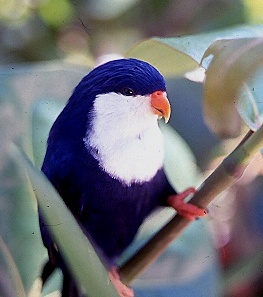
The blue ground dove is a small New World tropical dove. It is a resident breeder from southeastern Mexico to northwestern Peru and northern Argentina, and on Trinidad in the Caribbean.
Region
Central America, northern and central South America, and Trinidad
Typical Environment
Found from southeastern Mexico through Central America into northwestern Peru, across much of northern and central South America to northern Argentina, and on Trinidad. It favors forest edges, second growth, thickets, river margins, and semi-open woodlands. It also adapts well to agroforestry landscapes such as coffee and cacao plantations. Usually seen on or near the ground, it keeps close to cover and flushes with a quick, direct flight.
Altitude Range
Sea level to 2000 m
Climate Zone
Tropical
Ease of Keeping
Beginner friendly: 2/5
Males are a delicate powder-blue with striking black wing spots, while females are warm brown—both show rich chestnut underwings that flash in flight. This shy ground-foraging dove is often detected by the sudden whirr of its rapid, low flight rather than by sight. It frequently forages in pairs along forest edges, trails, and plantations. Nests are flimsy platforms placed low in shrubs or small trees.


Temperament
shy and wary
Flight Pattern
short rapid wingbeats; low, direct dashes
Social Behavior
Typically occurs in pairs or small family groups, foraging quietly on the ground. Builds a flimsy stick platform nest low in shrubs or small trees, usually laying one to two eggs. Appears monogamous, with both parents participating in incubation and chick care.
Migratory Pattern
Resident
Song Description
Song is a series of soft, mournful coos delivered at a measured pace, often from a concealed perch. Calls include low cooing notes and quiet contact calls between mates when foraging.
Plumage
Male is pale blue-gray overall with a row of distinct black spots on the wing coverts; female is warm brown to buffy with similar black wing spots and subtle scaling. Both sexes show rich chestnut underwings visible in flight and a slightly darker tail. Plumage is smooth and even-toned, aiding camouflage on shaded forest floors.
Diet
Primarily consumes small seeds from grasses and weedy herbs. Also takes fallen berries and small fruits, and occasionally ingests small invertebrates or grit to aid digestion. Forages by walking and picking items from the ground or low vegetation.
Preferred Environment
Feeds along forest edges, trails, clearings, and lightly disturbed understory. Frequently uses shaded margins of plantations and hedgerows where seed and fruit fall are abundant.