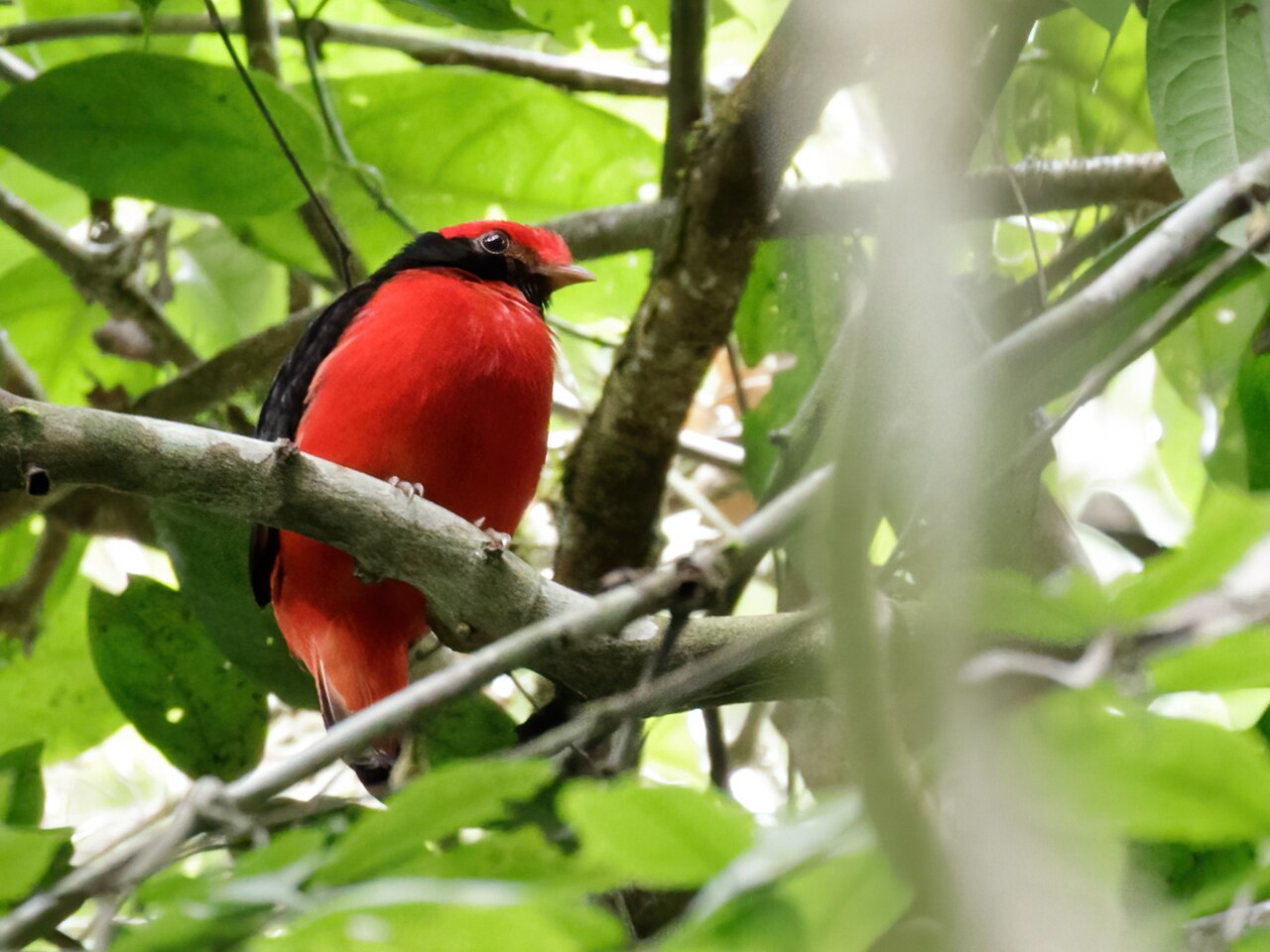
The black-necked eremomela is a species of bird formerly placed in the "Old World warbler" assemblage, but now placed in the family Cisticolidae.
Region
South-Central Africa
Typical Environment
Occupies dry to semi-humid woodlands, especially miombo (Brachystegia) and mopane, as well as acacia savanna and thickets. Prefers the mid to upper canopy where it moves quickly through foliage gleaning prey. Also uses edges of riparian woodland and secondary growth. Tolerates lightly disturbed habitats but is less common in heavily degraded areas.
Altitude Range
200–1800 m
Climate Zone
Tropical
Ease of Keeping
Beginner friendly: 1/5
Formerly grouped with the Old World warblers, the black-necked eremomela is now placed in the family Cisticolidae. It is an active canopy forager that often joins mixed-species flocks in woodlands. The crisp black collar against yellow tones is a key field mark that helps separate it from other small greenish warbler-like birds.

Temperament
social and active
Flight Pattern
short rapid wingbeats
Social Behavior
Often travels in pairs or small family groups and frequently joins mixed-species flocks in the canopy. Likely monogamous, building a small cup nest placed in shrubs or trees. Territories are defended during breeding, but birds remain tolerant and gregarious outside of it.
Migratory Pattern
Resident
Song Description
A quick series of high, thin trills and chips, delivered in short bursts while foraging. Calls include sharp contact notes to keep in touch within flocks. The overall impression is a bright, energetic twitter.
Plumage
Small, slim warbler-like bird with olive-green upperparts and yellowish underparts, set off by a distinct black collar across the lower throat/upper breast. Wings and tail are darker with pale edging; the belly can be paler toward the center. Feathers appear smooth and sleek, aiding its agile canopy movements.
Diet
Feeds mainly on small insects and other arthropods such as caterpillars, beetles, and spiders. Prey is mostly gleaned from leaves, twigs, and flower clusters. Occasionally makes short sallies to pick flying insects and may take tiny berries opportunistically.
Preferred Environment
Forages primarily in the mid to upper canopy of miombo and mopane woodlands, as well as acacia savannas. Frequently uses forest edges and lightly disturbed secondary growth where insect activity is high.