

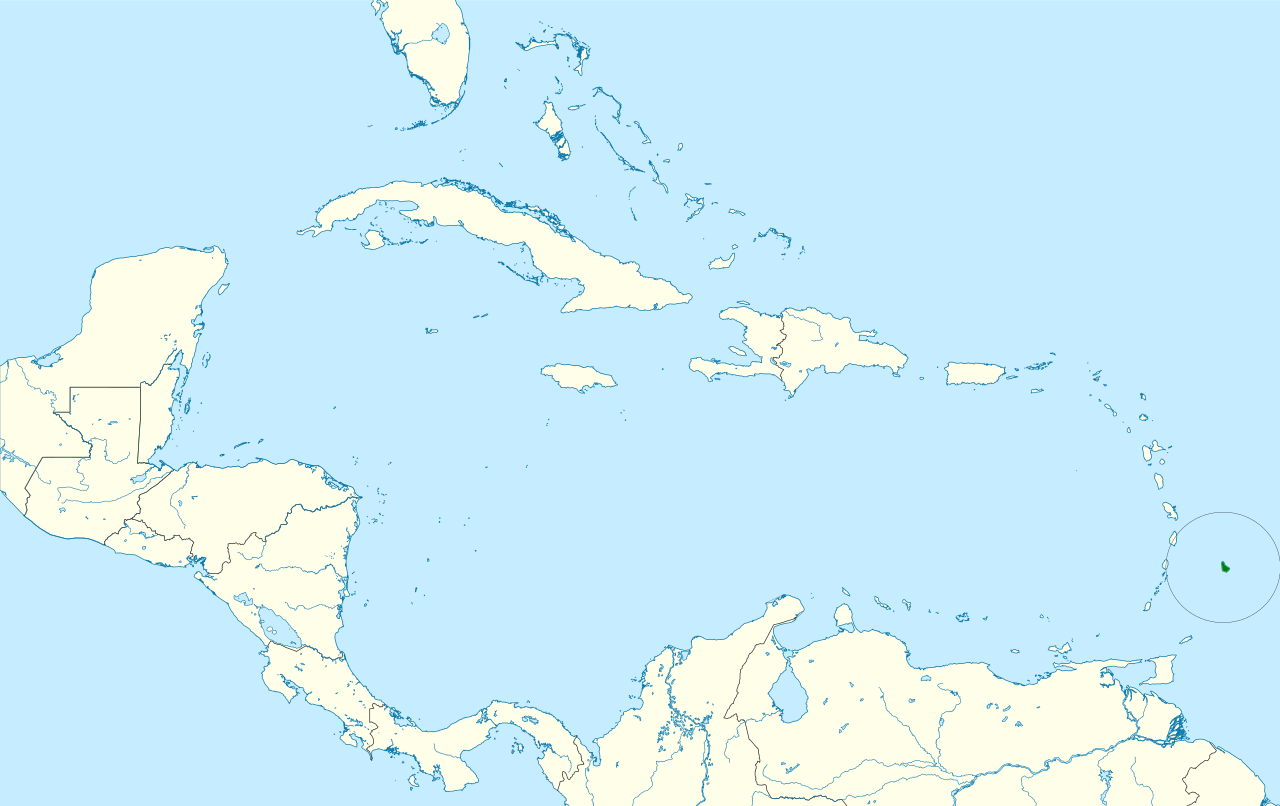
The Barbados bullfinch is a seedeater bird that is found only on the Caribbean island-nation of Barbados, where it is the only endemic bird species.
Region
Lesser Antilles
Typical Environment
Occurs throughout the island of Barbados in a wide range of habitats including scrub, forest edge, gardens, parks, and agricultural areas. It is especially common around human settlements and coastal areas with thickets and hedgerows. Nests are typically placed low to mid-level in shrubs or small trees. The species tolerates disturbance and thrives in suburban and urban green spaces.
Altitude Range
Sea level to 340 m
Climate Zone
Tropical
Ease of Keeping
Beginner friendly: 2/5
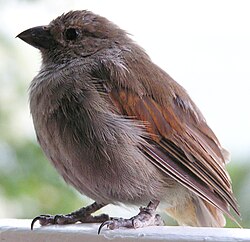
Endemic to the island of Barbados, this bullfinch is the country’s only endemic bird. Unlike related bullfinches, males and females look alike, both showing brownish plumage rather than the male-black typical in the genus. It adapts well to human-altered habitats and readily visits gardens and picnic areas. It was formerly treated as conspecific with the Lesser Antillean bullfinch but is now recognized as a distinct species.



Temperament
social and active
Flight Pattern
short rapid wingbeats with low, undulating dashes between perches
Social Behavior
Often seen in pairs or small family groups outside the breeding season. Pairs defend small territories during nesting, placing cup-shaped nests in shrubs or low trees. They are adaptable and frequently forage near people, especially where food scraps or feeders are available.
Migratory Pattern
Resident
Song Description
A simple, cheerful series of whistles, twitters, and short trills delivered from exposed perches. Calls include sharp chip notes and soft contact calls used while foraging.
Plumage
Uniformly plain, slightly shaggy plumage with soft brown to olive-brown tones and subtle grayish head and nape. Underparts often show a warmer rufous-brown wash with a paler throat. Wings and tail are darker brown without bold wingbars.
Diet
Primarily eats seeds from grasses and weeds, supplemented with fruits and flower buds. Takes small insects and other invertebrates, especially during the breeding season for nestlings. Will opportunistically consume human-provided foods and scraps around picnic sites and gardens.
Preferred Environment
Forages on the ground, in low shrubs, and along hedgerows and garden borders. Frequently visits bird feeders and fruiting trees in suburban areas. Also feeds along forest edges and in agricultural margins.


