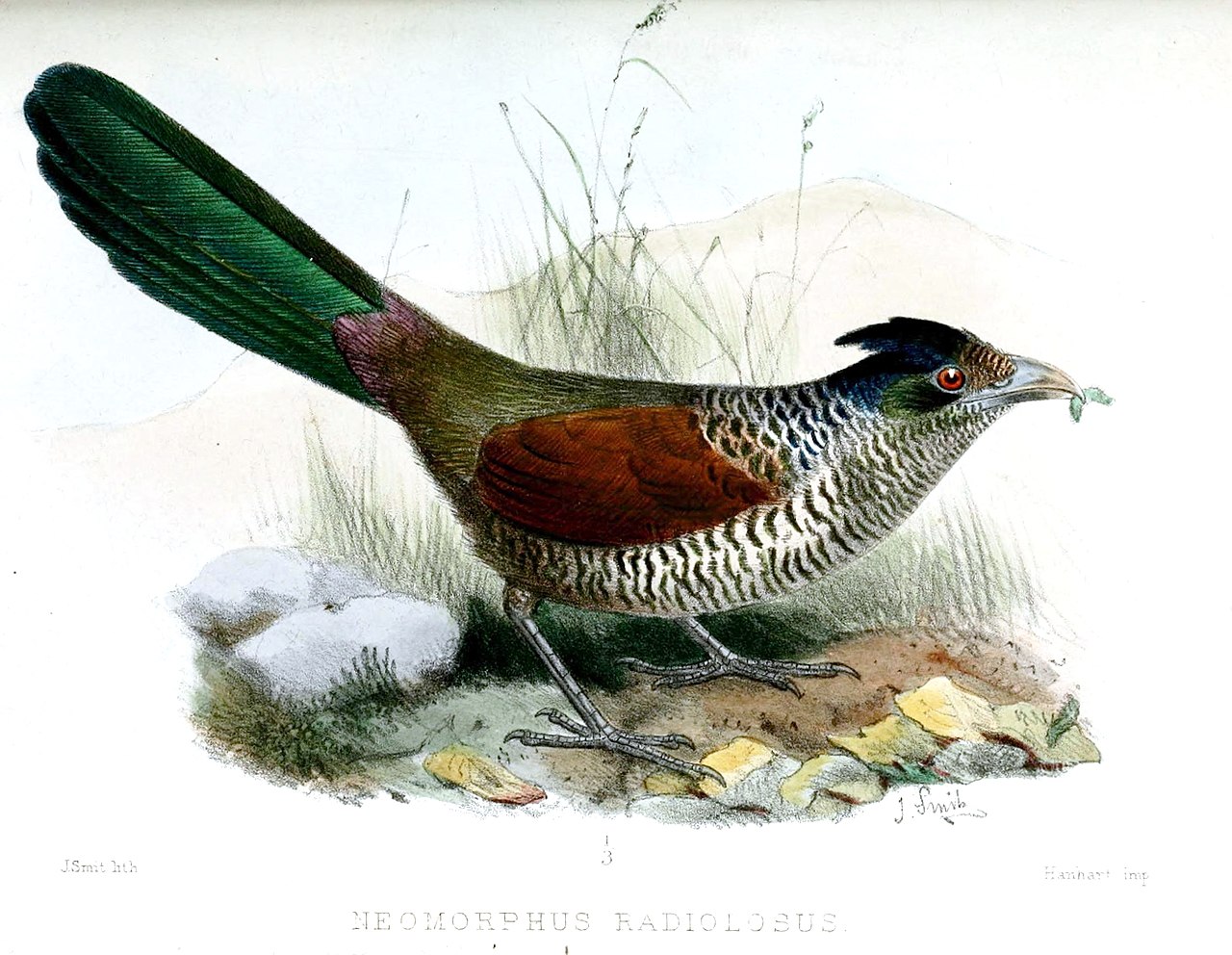
The banded green sunbird is a species of bird in the family Nectariniidae. It is endemic to Tanzania.
Region
East African coastal forests of Tanzania
Typical Environment
Occurs in lowland evergreen and semi-evergreen coastal forests, forest edges, and secondary growth with abundant flowering trees. It also uses riverine woodland and coastal thickets, and may venture into plantations and gardens when nectar sources are available. The species favors mid- to upper-canopy blooms but will descend to feed in shrubs. Forest fragmentation can isolate populations and limit suitable foraging corridors.
Altitude Range
Sea level to 900 m
Climate Zone
Tropical
Ease of Keeping
Beginner friendly: 1/5
This small sunbird is restricted to coastal and nearby lowland forests of Tanzania, where males show a fine reddish breast band that sets them apart from other green sunbirds. It feeds mainly on nectar but also takes small insects, often visiting flowering trees and sometimes gardens. Habitat loss and fragmentation of coastal forests are the main threats. It typically perches to feed rather than hovering for long like hummingbirds.
Temperament
active and territorial
Flight Pattern
short rapid wingbeats with brief hovering at flowers
Social Behavior
Usually seen singly or in pairs, sometimes joining mixed-species flocks in the canopy. Pairs defend rich nectar sources and may chase intruders. The nest is a small pendant or suspended purse-like structure, with breeding likely tied to flowering peaks. Both parents attend the young.
Migratory Pattern
Resident
Song Description
Song is a thin, high-pitched series of tsee-tsee and wiry trills. Calls include sharp chips and rapid twittering notes given while foraging or during chases.
Plumage
Male is glossy green above with a narrow reddish breast band and yellowish underparts; female is duller olive-green above with paler yellow underparts and lacks the distinct band. Both sexes have a slender decurved bill and relatively plain wings. Iridescence is most pronounced on the head and mantle of the male.
Diet
Primarily consumes nectar from flowering trees and shrubs such as aloes, Erythrina, and other nectar-rich blossoms. Supplements its diet with small insects and spiders, especially during the breeding season to feed nestlings. It often probes flowers while perched and may glean arthropods from foliage.
Preferred Environment
Feeds in forest edges, mid-canopy of coastal forests, secondary growth, and occasionally gardens with abundant blooms. It favors areas with continuous flowering resources and will move locally to track nectar availability.