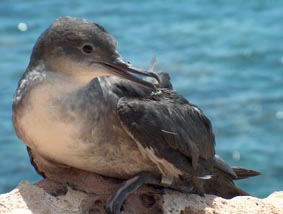
Baird's sparrow is a species of North American birds in the family Passerellidae of order Passeriformes. It is a migratory bird native to the United States, Canada, and Mexico.
Region
North American Great Plains
Typical Environment
Breeds in mixed- and fescue-grass prairies of the northern Great Plains, especially southern Alberta, Saskatchewan, and Manitoba, and across adjacent northern U.S. states such as Montana and North Dakota. During winter it moves to grasslands of the southwestern United States and northern Mexico, including the Chihuahuan Desert region. It prefers native prairie with moderate litter and minimal shrub encroachment, and may use well-managed hayfields or Conservation Reserve Program grasslands. Local occurrence can be highly dynamic, tracking recent fire, rainfall, and grazing intensity.
Altitude Range
200–2200 m
Climate Zone
Continental
Ease of Keeping
Beginner friendly: 1/5
Named for American naturalist Spencer Fullerton Baird, this secretive grassland sparrow is strongly tied to native prairie. It often sings from a low perch such as a grass stem and drops mouse-like into cover when disturbed. Populations fluctuate locally with fire, grazing, and precipitation, and the species favors recently burned or lightly grazed prairies.


Temperament
secretive and skulking
Flight Pattern
short rapid wingbeats, low over grass
Social Behavior
Generally solitary or in pairs during the breeding season, with males singing from low perches to defend territories. Nests are cup-shaped and placed on or near the ground, well concealed in dense grass. Outside the breeding season it forms small, loose flocks that forage quietly in grasslands.
Migratory Pattern
Seasonal migrant
Song Description
Song is a high, tinkling series of notes, often described as insect-like, delivered from a grass stem or low shrub. Calls are thin, high chips given from cover. Singing peaks at dawn and early morning on the breeding grounds.
Plumage
Warm buffy face and breast with fine, crisp streaking on the upperparts and flanks; the center of the breast is often relatively clean. Back and nape are heavily streaked; tail is short and slightly notched. Overall appearance is a neatly streaked, tawny-toned grassland sparrow.
Diet
Eats a mix of seeds and invertebrates. In the breeding season it takes more insects such as grasshoppers, beetles, and caterpillars to meet protein demands. In fall and winter it shifts toward grass and forb seeds, still taking small arthropods when available. Foraging is mostly by gleaning from the ground and low vegetation.
Preferred Environment
Feeds in native and lightly grazed prairies with a mosaic of grass heights and litter. In winter it uses open desert grasslands and weedy fields with sparse to moderate cover, avoiding dense shrubs.