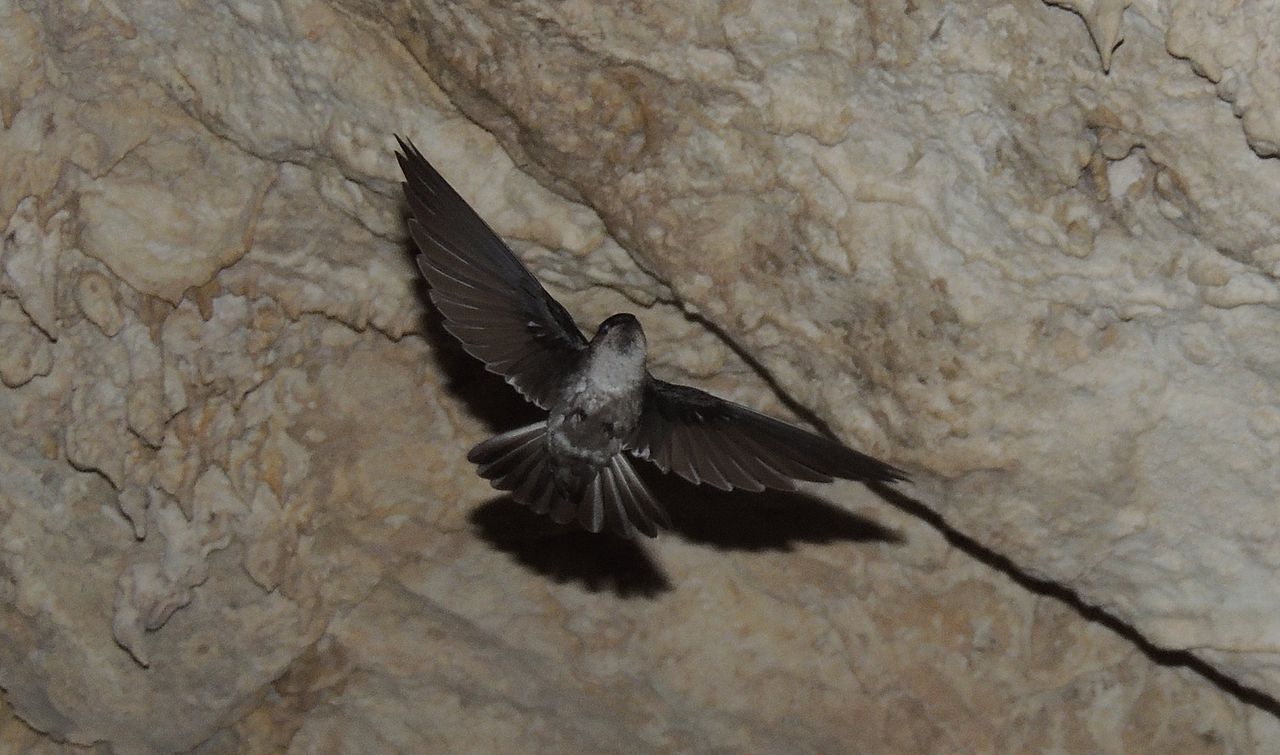
The Asian stubtail is a bird in the family Cettiidae. The species was first described by Robert Swinhoe in 1863. It breeds in Korea, Manchuria and Japan and winters to southern China and northern Southeast Asia. Its natural habitat is temperate forest.
Region
East Asia
Typical Environment
Breeds in temperate and mixed forests of Japan, the Korean Peninsula, and northeastern China (including Manchuria). In winter it moves to southern China and northern parts of Southeast Asia, frequenting dense thickets and bamboo. It keeps close to the forest floor and damp ravines, often near streams. Prefers dense understory where it can forage and remain concealed.
Altitude Range
0–2000 m
Climate Zone
Temperate
Ease of Keeping
Beginner friendly: 1/5
A tiny, ground-loving warbler with an extremely short tail, the Asian stubtail often stays hidden in dense undergrowth. Despite its size, the male delivers a surprisingly loud, high-pitched song from low perches. It breeds in temperate forests of Northeast Asia and migrates to warmer regions in winter. Its secretive behavior makes it more often heard than seen.

Temperament
skulking and secretive
Flight Pattern
short rapid wingbeats close to the ground
Social Behavior
Usually solitary or in pairs during the breeding season, nesting low or on the ground in domed nests of moss and leaves. In the nonbreeding season it may join mixed-species flocks in dense undergrowth. Pairs are territorial on breeding grounds.
Migratory Pattern
Seasonal migrant
Song Description
A loud, high-pitched series of trills and rapid whistles delivered from low perches. Calls include sharp ticking notes given from cover.
Plumage
Plain olive-brown upperparts with buffy to whitish underparts and a slightly warmer wash on the flanks; crown can show a faint scaly effect. Tail is extremely short and often cocked, giving a compact, wren-like look.
Diet
Feeds mainly on small insects, spiders, and other arthropods gleaned from leaf litter and low foliage. Probes among dead leaves, moss, and bark for larvae and eggs. Occasionally takes small snails or other tiny invertebrates.
Preferred Environment
Forages on or near the forest floor in dense understory, bamboo stands, and thickets. Often stays near damp ravines and stream edges where leaf litter accumulates.