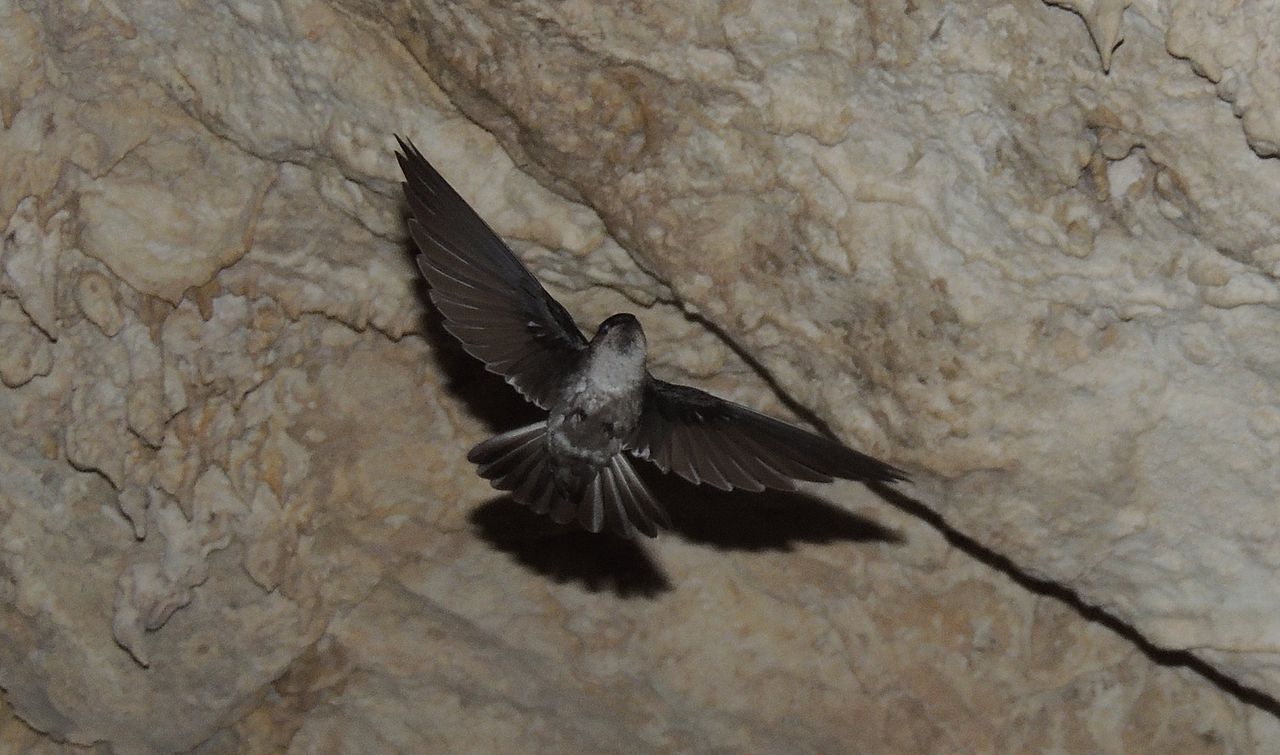
The Atherton scrubwren is a bird species. Placed in the family Pardalotidae in the Sibley-Ahlquist taxonomy, this has met with opposition and indeed is now known to be wrong; they rather belong to the independent family Acanthizidae.
Region
Wet Tropics of Queensland, northeastern Australia
Typical Environment
Occurs primarily in the upland and montane rainforests of the Atherton Tablelands and adjacent highlands within the Wet Tropics. Prefers dense, shaded understory with abundant leaf-litter, fallen logs, and vine tangles. Common in gullies, along rainforest creeks, and on mossy slopes where cover is continuous. It is largely absent from lowlands and open or heavily disturbed forest.
Altitude Range
400–1500 m
Climate Zone
Highland
Ease of Keeping
Beginner friendly: 1/5
The Atherton scrubwren is a small, skulking insectivore confined to the upland rainforests of Australia’s Wet Tropics, especially the Atherton Tablelands. Once placed in Pardalotidae under the Sibley–Ahlquist scheme, it is now correctly recognized within the Australian warbler family Acanthizidae. It keeps to dense undergrowth and leaf-litter, where it forages quietly in pairs or small groups. Its limited high-elevation range makes it sensitive to habitat changes and warming climates.

Temperament
secretive and wary
Flight Pattern
short rapid wingbeats, low and direct between cover
Social Behavior
Usually seen in pairs or small family groups and may accompany mixed-species understory flocks. Nests are typically domed and placed low in dense vegetation or vines. Territorial during breeding, with soft contact calls maintaining cohesion in thick cover.
Migratory Pattern
Resident
Song Description
Song is a thin, high-pitched series of trills and tinkling notes delivered from low perches. Calls include sharp tseep and scolding chatters when disturbed.
Plumage
Dull brown-olive upperparts with slightly warmer tones on the wings and back; underparts grayish to buff with fine mottling on the throat and breast. Plumage is soft and cryptic, aiding concealment in dark understory.
Diet
Primarily takes small arthropods such as insects, spiders, and their larvae gleaned from leaf-litter, bark, and low foliage. Often flips leaves and probes crevices and moss for hidden prey. May occasionally consume small berries or seeds, but animal prey dominates.
Preferred Environment
Feeds close to the ground in dense rainforest understory, along shaded stream margins, and in vine thickets. Frequently forages in sheltered gullies and among fallen logs where leaf-litter accumulates.