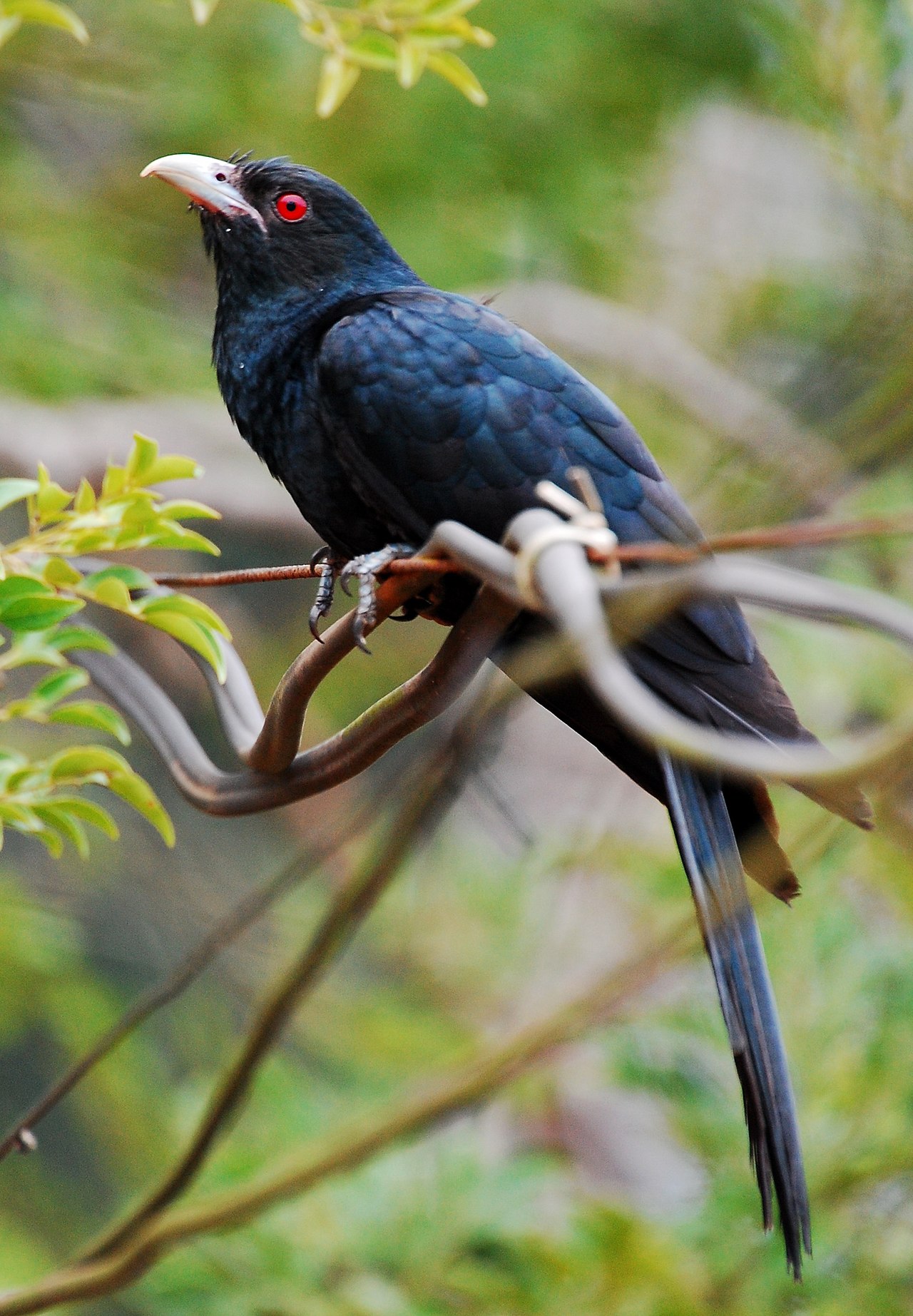
The Asian golden weaver is a species of bird in the family Ploceidae. It is found in Cambodia, Indonesia, Laos, Myanmar, Thailand, and Vietnam. Its natural habitats are subtropical or tropical seasonally wet or flooded lowland grassland, swamps, and arable land. It is threatened by habitat loss and capture, notably for the merit release trade.
Region
Southeast Asia
Typical Environment
Occurs patchily in lowland Cambodia, Indonesia (notably Sumatra and Java), Laos, Myanmar, Thailand, and Vietnam. It favors seasonally flooded grasslands, reedbeds, marsh edges, and rice paddies. Nests are typically placed over standing water in reeds, bulrushes, or shrubs to deter predators. It adapts to agricultural landscapes but declines where wetlands are drained or reedbeds are cut. Local movements follow water levels and harvesting cycles.
Altitude Range
0–800 m
Climate Zone
Tropical
Ease of Keeping
Beginner friendly: 2/5
Breeding males weave intricate, purse-shaped nests suspended over water using fresh grass strips and display at the nest to attract females. Often confused with the Baya Weaver, the Asian golden weaver male is more uniformly golden and lacks a bold black mask. It is impacted by drainage of wetlands, intensive agriculture, and trapping for merit-release. Protecting reedbeds and seasonally flooded grasslands is key to its conservation.


Temperament
social and active
Flight Pattern
short rapid wingbeats
Social Behavior
Forms noisy colonies in breeding season, with males polygynous and constructing several nests as part of courtship. Nests are suspended over water, often in clusters, and are lined softly after acceptance by a female. Outside breeding, small flocks forage in rice fields and marsh edges and may join mixed-species groups.
Migratory Pattern
Resident
Song Description
Males give lively, buzzy chitters and sizzling trills from nest sites, interspersed with sharp chips. The chorus of a colony is continuous during peak display and can carry across wetlands.
Plumage
Breeding male is bright golden with contrasting dark brown wings and tail; non-breeding birds and females are duller with streaked brown upperparts and buffy underparts. Feathers are smooth and sleek, with the male showing a clean, uniform golden head and breast. The heavy, conical bill is black in breeding males and horn-colored to dusky in females.
Diet
Feeds mainly on grass seeds and cultivated grains such as rice. During the breeding season, it increases intake of insects including beetles, caterpillars, and orthopterans to provide protein for chicks. It occasionally takes small invertebrates from reed stems and water edges and gleans spilled grain in fields.
Preferred Environment
Forages in wet meadows, rice paddies, and the margins of marshes and swamps. Often feeds low in grasses and reeds or on the ground, moving in small, cohesive groups.