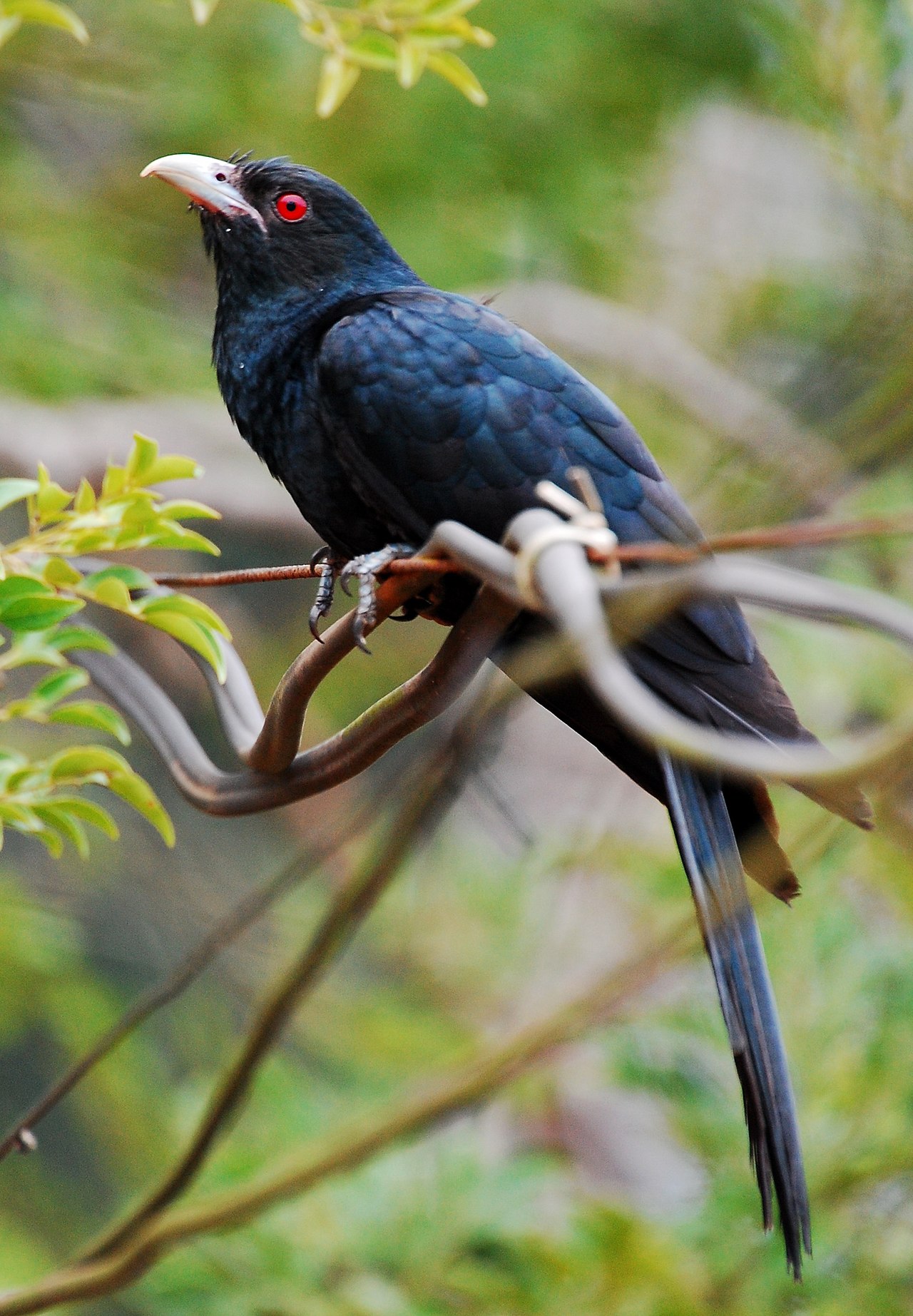
The Asian house martin is a migratory passerine bird of the swallow family Hirundinidae. It has mainly blue-black upperparts, other than its white rump, and has pale grey underparts. Its three subspecies breed in the Himalayas and in central and eastern Asia, and spend the winter lower in the mountains or in Southeast Asia. This species is locally abundant and is expanding northward in Siberia, so there are no concerns about its conservation status.
Region
Central and East Asia
Typical Environment
Breeds from the Himalayas across central China to eastern Asia, including parts of Korea, Japan, and the Russian Far East. It favors mountainous regions for breeding, nesting on cliffs and buildings in valleys and uplands. Outside the breeding season it descends to lower elevations and moves south into Southeast Asia. Frequently found near towns and villages where suitable nesting ledges exist, as well as along rivers, lakes, and coastal headlands.
Altitude Range
Sea level to 4500 m
Climate Zone
Temperate
Ease of Keeping
Beginner friendly: 1/5
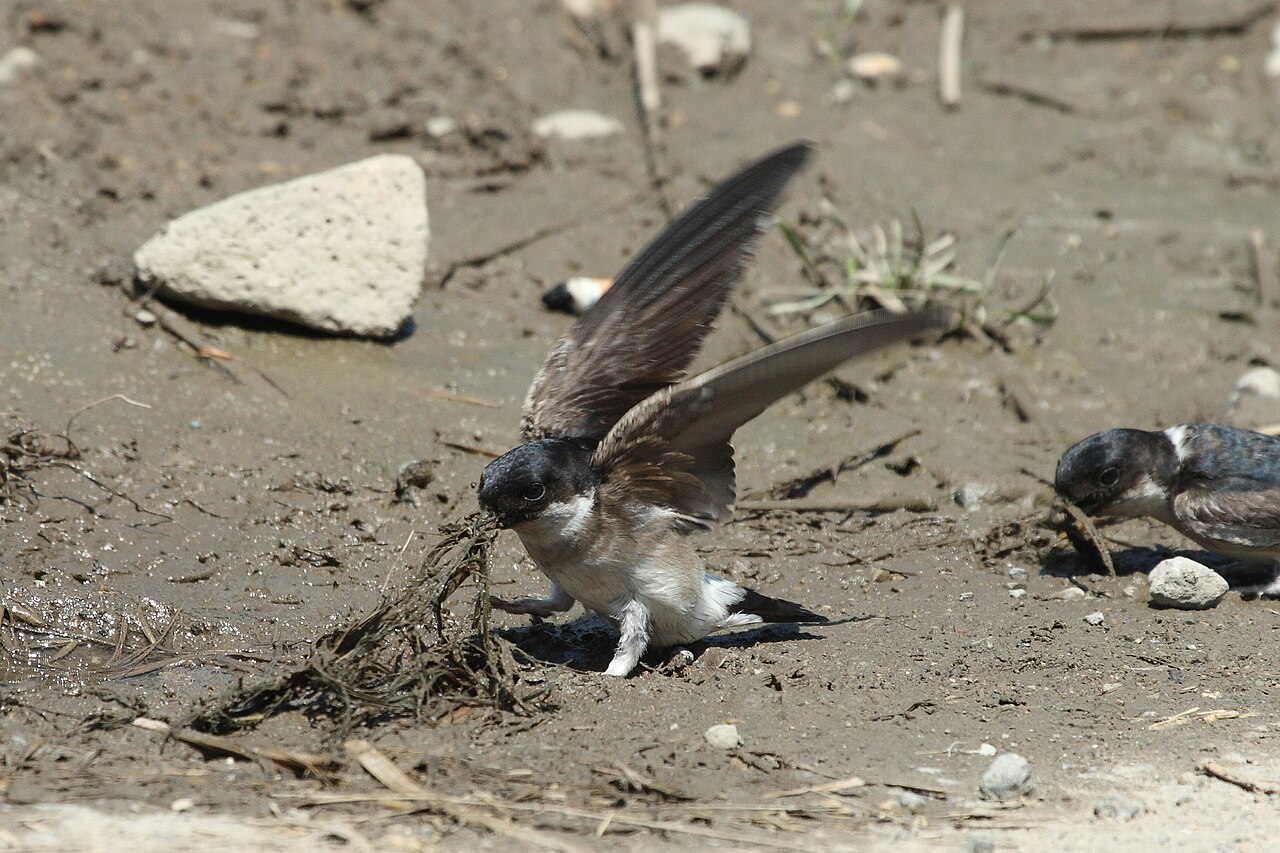
The Asian house martin is a compact, mountain-loving swallow that often nests on cliffs and human structures, building neat mud cups under eaves. It shows a striking white rump against glossy blue-black upperparts and pale grey underparts. Colonies can be quite large, and the species often mixes with other swallows and swifts while feeding. Its range and numbers are stable or expanding in parts of Siberia and East Asia.


D. d. cashmeriensis from Sikkim, India.

Temperament
social and active
Flight Pattern
agile flier with rapid wingbeats and short glides
Social Behavior
Typically nests colonially, attaching mud cup nests to cliffs or the undersides of eaves and bridges. Pairs are monogamous within a season, and both parents incubate and feed the young. Outside the breeding period, it forms sizable flocks and roosts communally, often with other hirundines.
Migratory Pattern
Seasonal migrant
Song Description
Soft, twittering chirps and trills delivered in short sequences. Calls are higher-pitched contact notes given in flight and around the colony, becoming more animated near the nest.
Plumage
Glossy blue-black upperparts with a clean white rump and pale grey underparts; tail is short and shallowly forked.
Diet
Feeds almost entirely on small aerial insects such as flies, aphids, beetles, and winged ants, captured on the wing. It forages at varying heights, adjusting to insect swarms and wind conditions. Over water and along slopes it takes advantage of updrafts to sweep back and forth efficiently.
Preferred Environment
Hunts over open country, river valleys, lake margins, farmland, and coastal edges. Frequently forages above towns and villages near nesting colonies, especially in leeward areas and along cliff faces.