

Adelaide's warbler, or reinita mariposera is a bird endemic to the archipelago of Puerto Rico belonging to the genus Setophaga of the family Parulidae.
Region
Caribbean
Typical Environment
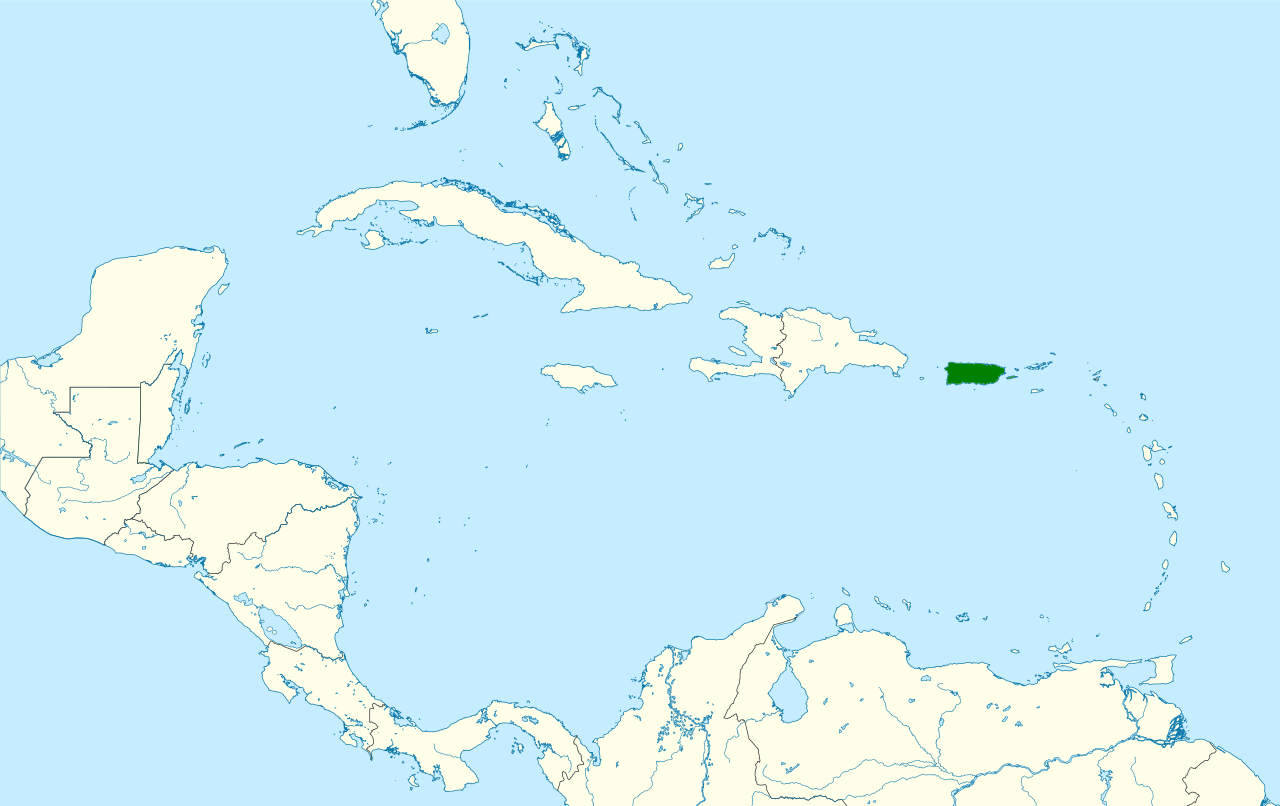
Endemic to the main island of Puerto Rico and nearby offshore islets such as Vieques and Culebra. Most common in coastal and lowland dry forests, scrublands, and second-growth thickets. It also occurs along forest edges, arid hillsides with scattered trees, and occasionally in mangrove margins. The species adapts well to semi-open habitats with dense understory and scattered canopy.
Altitude Range
Sea level to 800 m
Climate Zone
Tropical
Ease of Keeping
Beginner friendly: 1/5
Adelaide's warbler (reinita mariposera) is a small wood-warbler found only in Puerto Rico and nearby islets. It thrives in dry coastal forests and scrub, where it actively gleans insects from foliage and twigs. The species is a year‑round resident and a familiar voice in lowland thickets. Protective management of Puerto Rico’s dry forests benefits its populations.

Temperament
active and inquisitive
Flight Pattern
short rapid wingbeats
Social Behavior
Breeds in territorial pairs that defend small patches of scrub or open woodland. The cup-shaped nest is placed low to mid-level in shrubs or small trees, with both parents feeding the young. Outside the breeding season it may join mixed-species foraging flocks in thickets and forest edges.
Migratory Pattern
Resident
Song Description
A bright, buzzy series of high, thin notes delivered in short phrases, often repeated from exposed perches. Calls include sharp chips and seets used during foraging and pair contact.
Plumage
Bluish-gray upperparts with bright yellow face and underparts grading to whitish belly, and two clear white wingbars. Fine, clean plumage with contrasting dark lores and pale eye arcs that suggest a broken eye ring. White edges on the outer tail feathers are conspicuous in flight.
Diet
Feeds mainly on small insects and other arthropods such as caterpillars, beetles, and spiders. It gleans prey from leaves, twigs, and flower clusters, occasionally probing into rolled leaves. It may sally short distances to snatch flying insects and sometimes inspects bark crevices for hidden prey.
Preferred Environment
Forages in dry scrub, thorny thickets, coastal woodland, and second-growth edges with scattered trees. Often works mid-level foliage and outer branch tips where insect activity is high.


