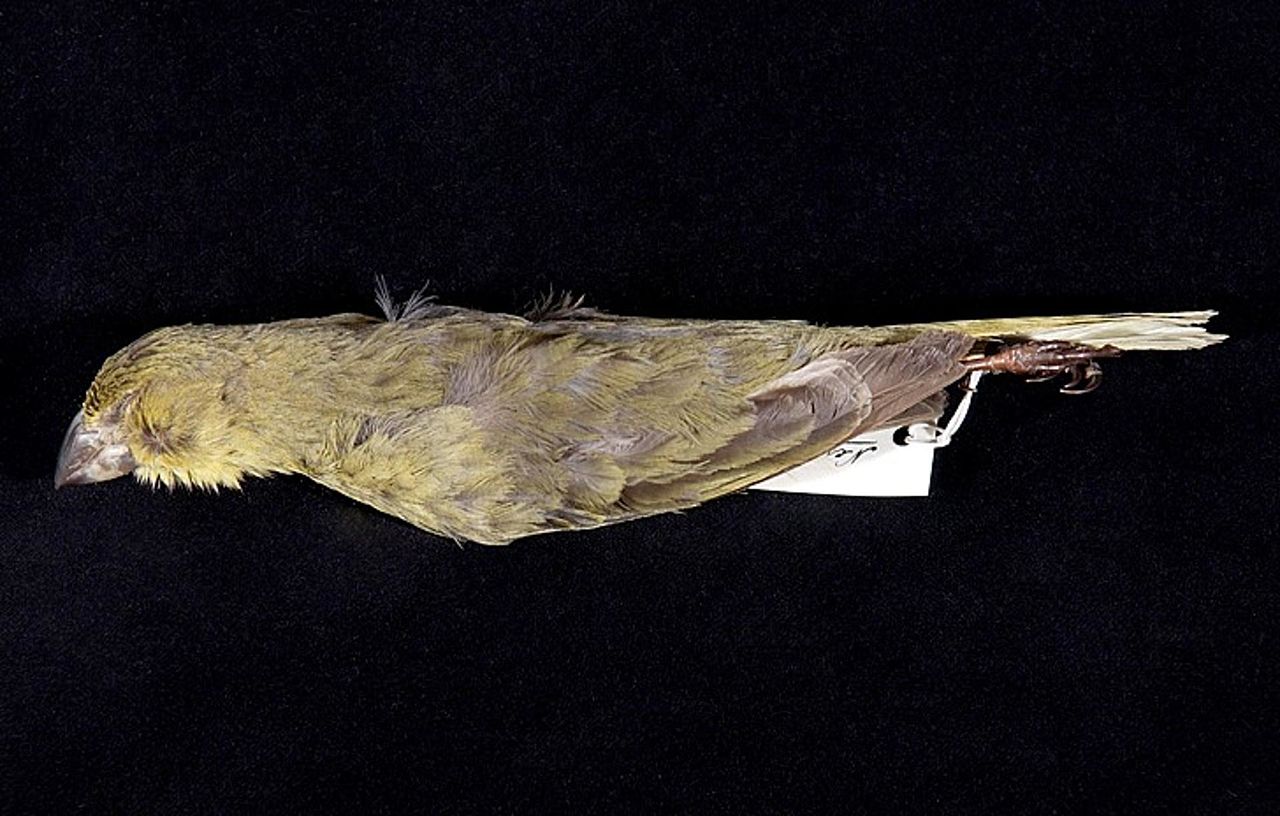
Whyte's francolin is a species of bird in the family Phasianidae. It is found in grassy woodlands and grasslands in Democratic Republic of the Congo, Malawi, and Zambia.
Region
South-Central Africa
Typical Environment
Occurs in grassy woodlands, upland grasslands, and moist dambos across parts of the Democratic Republic of the Congo, Malawi, and Zambia. It uses edges of miombo and other open woodlands with dense ground cover. Recently burned areas with regenerating grass are also frequented. It typically keeps to thick cover and seldom ventures into completely open ground for long.
Altitude Range
600–2400 m
Climate Zone
Highland
Ease of Keeping
Beginner friendly: 2/5
Named after the naturalist Alexander Whyte, this elusive francolin is more often heard than seen, giving loud, ringing whistles at dawn and dusk. It favors tall grass in upland savannas and flushes explosively when disturbed, flying a short distance before dropping back into cover.
Temperament
wary and secretive
Flight Pattern
short rapid wingbeats followed by a brief glide
Social Behavior
Usually found in pairs or small coveys, especially outside the breeding season. Nests are shallow ground scrapes hidden in dense grass. Pairs are generally monogamous, and adults lead chicks soon after hatching to foraging areas.
Migratory Pattern
Resident
Song Description
A clear, ringing series of whistled notes, often delivered from concealed ground perches at dawn and dusk. Calls can carry over long distances and are the best clue to its presence in dense grass.
Plumage
Heavily barred and vermiculated brown upperparts with paler, finely patterned underparts; wings show warm rufous tones when spread. The throat is slightly paler with subtle streaking, and the overall appearance is cryptic and well-suited to tall grass.
Diet
Feeds on a mix of grass seeds, shoots, bulbs, and a variety of invertebrates such as termites, beetles, and grasshoppers. It scratches and probes in soft soil and leaf litter. Diet composition shifts seasonally with seed availability and insect emergences.
Preferred Environment
Forages on the ground in tall or rank grass, along paths, and at the edges of woodland and dambos. Recently burned patches with fresh green growth are particularly attractive feeding sites.