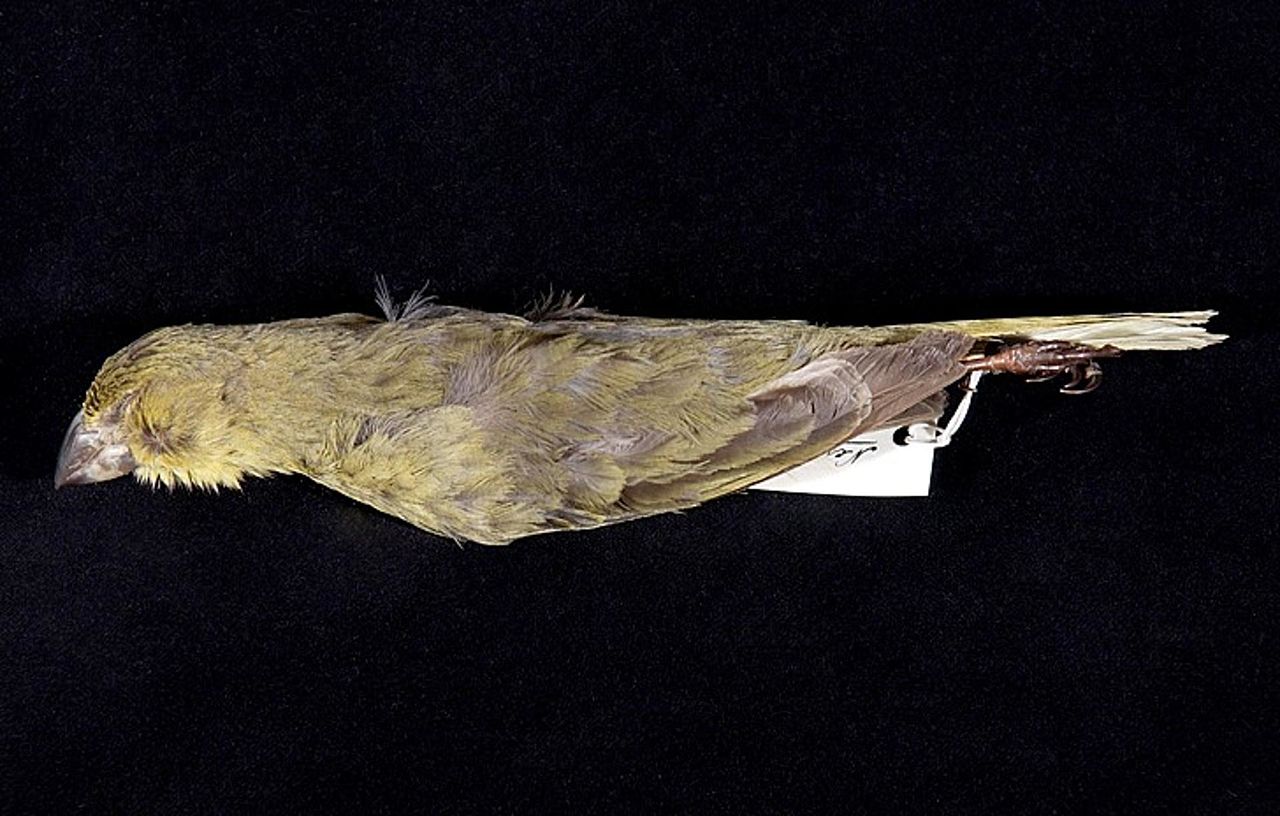
Whyte's double-collared sunbird is a species of bird in the family Nectariniidae. It was considered a subspecies of Ludwig's double-collared sunbird. It is found in Zambia, Malawi, and Tanzania. Its natural habitat is subtropical or tropical dry forests. It is threatened by habitat loss.
Region
South-Central and East Africa
Typical Environment
Occurs from northern and eastern Zambia through much of Malawi into southwestern Tanzania, with strongholds in montane and submontane forest belts. It frequents subtropical or tropical dry forests, forest edges, riverine thickets, and miombo woodland with a good shrub layer. The species also uses secondary growth, tea estates, and gardens near forest where nectar sources are abundant. Local movements often track flowering events across elevations and habitats.
Altitude Range
900–2600 m
Climate Zone
Tropical
Ease of Keeping
Beginner friendly: 1/5
Males show the distinctive 'double collar'—a narrow iridescent blue band above a broader scarlet band—used in displays and territorial signaling. Although capable of brief hovering, it usually perches to sip nectar and is an important pollinator of flowering shrubs and trees. It was formerly treated as a subspecies of Ludwig's double-collared sunbird but is now widely accepted as a separate species. Ongoing forest clearance in parts of its range poses localized threats.
Temperament
solitary and territorial
Flight Pattern
short rapid wingbeats
Social Behavior
Typically seen singly or in pairs, with males defending small nectar-rich territories. Pairs build a suspended, oval nest with a side entrance from plant fibers and spider webs, often placed in dense shrubbery. Breeding generally coincides with peak flowering and insect abundance.
Migratory Pattern
Resident
Song Description
Song is a rapid, high-pitched twitter interspersed with thin, sibilant notes. Calls include sharp tsee or tzip contact notes and buzzy trills during territorial displays.
Plumage
Male is glossy with a metallic green head and throat, a narrow iridescent blue band above a broader scarlet breast band, and darker slate to blackish underparts. Female is duller, olive-brown above with greyish to buff underparts and faint streaking, lacking the colorful bands. Both sexes have a slender, decurved bill adapted for nectar feeding.
Diet
Feeds primarily on nectar from flowering shrubs and trees such as aloes and other tubular blooms. Supplements with small arthropods—especially insects and spiders—gleaned from foliage or hawked in short sallies. Will also take small fruits on occasion, especially when flowers are scarce.
Preferred Environment
Forages at forest edges, in thickets, and in miombo woodland with a rich understorey. Frequently visits gardens and secondary growth near native forest where nectar sources are concentrated.