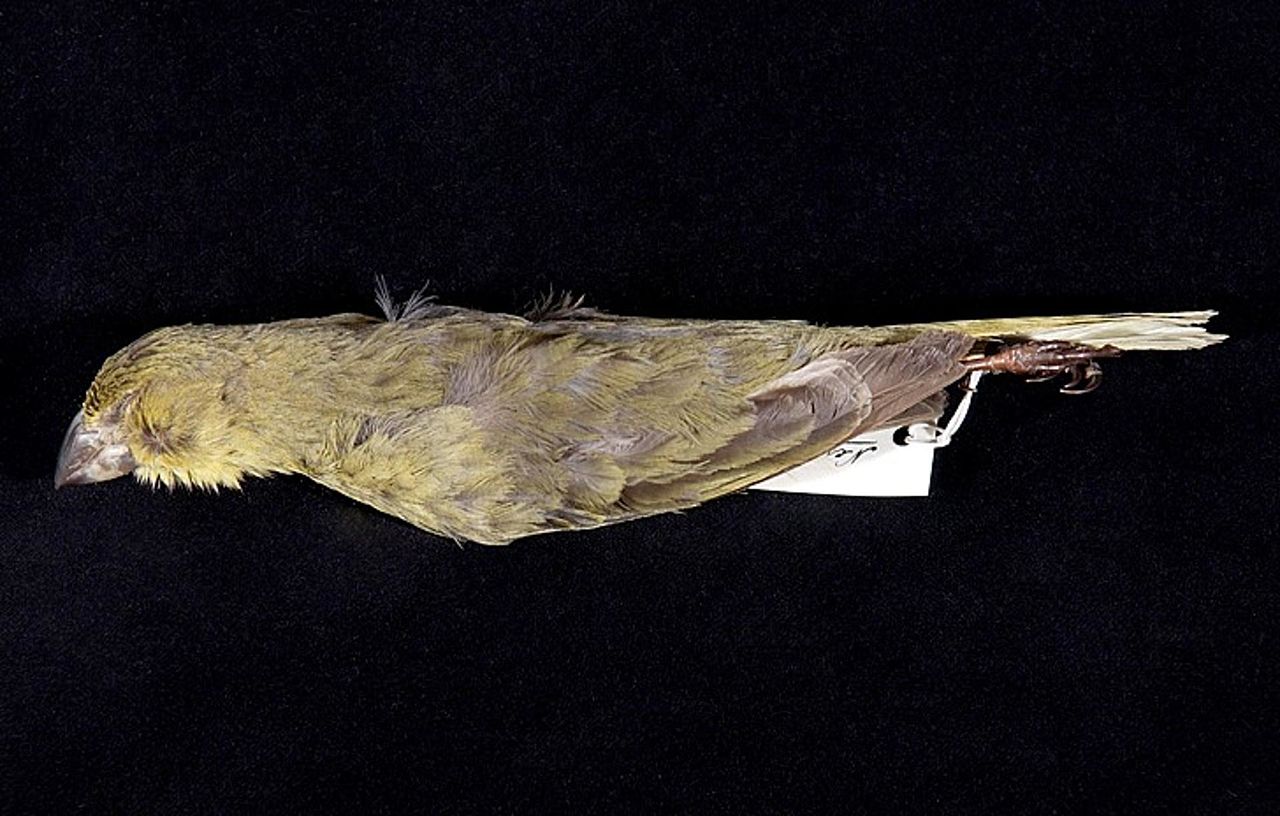
Whyte's barbet is a species of bird in the family Lybiidae. It is found in Malawi, Mozambique, Tanzania, Zambia, and Zimbabwe.
Region
South-central Africa
Typical Environment
Occurs patchily across miombo and other broad-leaved woodlands in Malawi, Mozambique, Tanzania, Zambia, and Zimbabwe. Prefers mature Brachystegia and Julbernardia woodlands with scattered fruiting trees, especially figs. Also uses forest edges, wooded riverine strips, and cultivated areas with remnant large trees. Often remains in the mid- to upper canopy and edges of clearings where fruiting trees are available.
Altitude Range
300–2000 m
Climate Zone
Subtropical
Ease of Keeping
Beginner friendly: 2/5
Whyte's barbet is an African barbet of miombo woodlands, using its stout, bristled bill to excavate nest cavities in dead or decaying wood. Pairs often duet with repetitive, far-carrying calls to maintain territory. It feeds largely on fruit and helps disperse seeds, but also takes insects, especially during the breeding season.

Temperament
social and active
Flight Pattern
short rapid wingbeats with undulating hops between trees
Social Behavior
Usually seen in pairs or small family groups within a defended territory. Both sexes excavate a nest cavity in soft or dead wood and share incubation and chick-rearing. Breeding pairs engage in duets and mutual preening to reinforce bonds.
Migratory Pattern
Resident
Song Description
A repetitive, far-carrying series of hollow notes typical of barbets, often delivered antiphonally by a pair. Calls may accelerate slightly and can continue for long periods from prominent perches.
Plumage
Stocky barbet with brown to olive-brown upperparts and paler, lightly streaked underparts. The face is pale with a contrasting darker malar/ear area and a clean whitish throat. Feathers appear somewhat loose with a slight shaggy look around the head due to bristles at the bill base.
Diet
Primarily takes fruit, especially figs and other soft drupes and berries. Supplements with insects such as beetles, ants, and caterpillars, particularly when feeding nestlings. Occasionally consumes seeds and small invertebrates gleaned from bark and foliage. Acts as an important seed disperser for woodland trees.
Preferred Environment
Forages high in the canopy and at woodland edges, concentrating on fruiting trees. Will descend to mid-storey or isolated fruiting trees in clearings and along riverine strips.