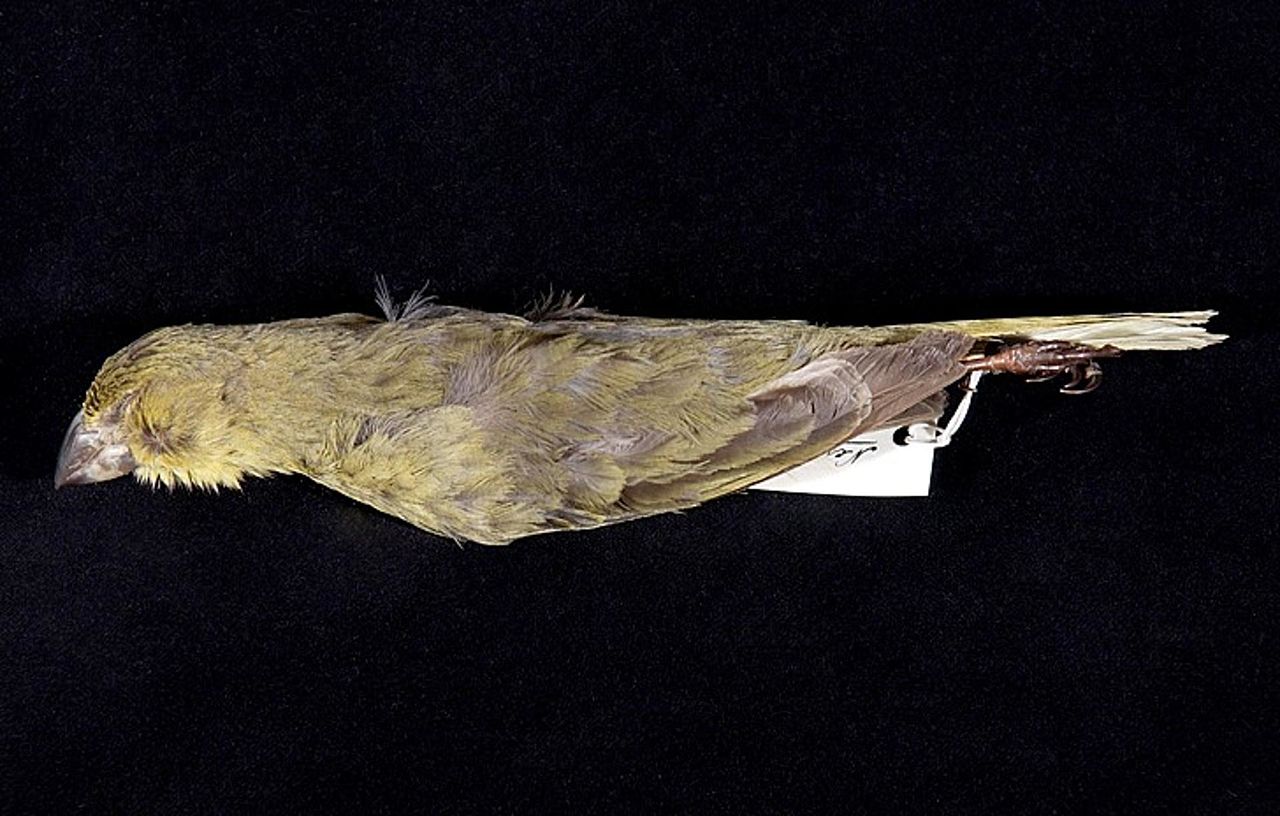
The whooping motmot is a colorful near-passerine bird in the family Momotidae. It is found in Colombia, Ecuador, Panama, Peru, and Venezuela.
Region
Northern South America and southern Central America
Typical Environment
Occurs from eastern Panama through northern and western Colombia to northwestern Venezuela and western Ecuador. It inhabits humid and semi-humid lowland forests, forest edges, gallery forests, and older secondary growth. Frequently found along streams, in shady ravines, and in agroforestry systems such as shade coffee and cacao. It tolerates some habitat disturbance provided canopy cover and perches remain.
Altitude Range
Sea level to 1500 m
Climate Zone
Tropical
Ease of Keeping
Beginner friendly: 1/5
The whooping motmot gets its name from its deep, resonant whoop calls that carry through tropical forests at dawn and dusk. Like other motmots, it often wags its long racket-tipped tail like a pendulum, a behavior thought to signal awareness to predators. It nests in long burrows it excavates in earthen banks, with both parents sharing incubation and care.


Temperament
shy and cryptic around humans, territorial in pairs
Flight Pattern
short rapid wingbeats between perches
Social Behavior
Usually encountered singly or in pairs, maintaining territories year-round. Nests are long burrows dug into earthen banks or slopes; both sexes excavate, incubate, and feed the young. Perches quietly in midstory, sallying to the ground or air for prey.
Migratory Pattern
Resident
Song Description
A series of deep, hollow whoop notes given singly or in pairs, often at dawn and dusk. Calls carry far through the forest and are a primary cue for detection. Also gives softer clucks and gruff notes during pair interactions.
Plumage
Green upperparts with a rufous to cinnamon breast and belly, a blue crown bordered by black, and a black mask. Throat shows a dark central patch bordered by bluish tones. Tail is long with bare shafts ending in racket-shaped tips.
Diet
Takes large insects such as beetles, katydids, and orthopterans, as well as spiders and other arthropods. Occasionally captures small lizards or frogs. Also consumes a variety of fruits and berries, especially when insect prey is scarce.
Preferred Environment
Forages from shaded perches in the understory to midstory, dropping to the ground or making short sallies to capture prey. Edge habitats, streamside vegetation, and light gaps are frequently used. Will visit fruiting trees within forest and semi-open areas.