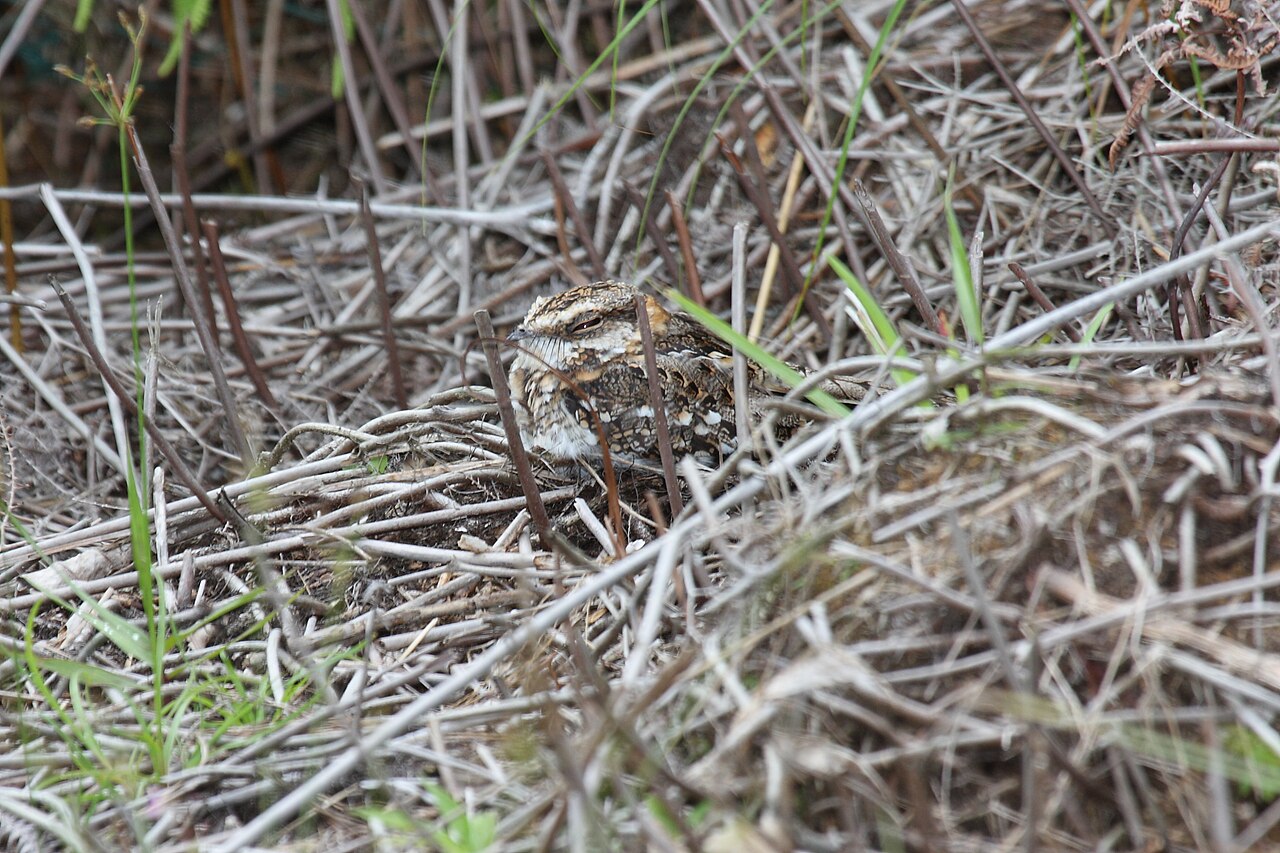
The white-tailed lark is a species of lark in the family Alaudidae found in Africa.
Region
East Africa
Typical Environment
Occurs patchily in seasonally inundated grasslands, open savannas, and floodplains. Favors tall or rank grasses following rains and can use agricultural edges such as fallow fields and rice paddies. Often local and overlooked due to cryptic behavior, becoming more conspicuous during display flights. Uses ground cover for nesting and foraging, avoiding dense woodland.
Altitude Range
Sea level to 1800 m
Climate Zone
Tropical
Ease of Keeping
Beginner friendly: 1/5
This lark is named for its striking white outer tail feathers, which males flash during display flights over grasslands. It often appears after seasonal rains when grasses are tall and seeding, making it easier to hear than to see. Ground-nesting and well-camouflaged, it relies on stillness and streaky plumage to avoid detection. Its song display is a fluttering hover accompanied by rapid, tinkling notes.


Temperament
solitary and territorial
Flight Pattern
short rapid wingbeats with fluttering display hovers
Social Behavior
Typically seen singly or in pairs, defending small territories in suitable grassland. Nests on the ground in a shallow scrape concealed by grass clumps. Breeding is often tied to rainy seasons when vegetation growth and insect abundance peak.
Migratory Pattern
Resident
Song Description
A rapid, tinkling series of notes delivered during aerial displays, often given while hovering or rising on fluttering wings. Calls are thin and high, carrying over open grassland after rains.
Plumage
Streaked brown upperparts with pale, lightly streaked underparts; overall sandy to rufous tones suited to grassland camouflage.
Diet
Takes a mix of seeds and small invertebrates, including beetles, ants, and termites. Insects dominate during the wet season when they are abundant, while grass seeds are taken more in the dry season. Forages by walking and pecking on the ground, often in short, deliberate bouts.
Preferred Environment
Feeds in open grassy areas with patchy bare ground, the edges of floodplains, and fallow or lightly grazed fields. Prefers microhabitats where seed heads and ground-dwelling insects are easy to access.