

The white-plumed honeyeater is a small passerine bird endemic to Australia. White-plumed honeyeaters are common around water and are often seen in backyards and suburbs with vegetation cover.
Region
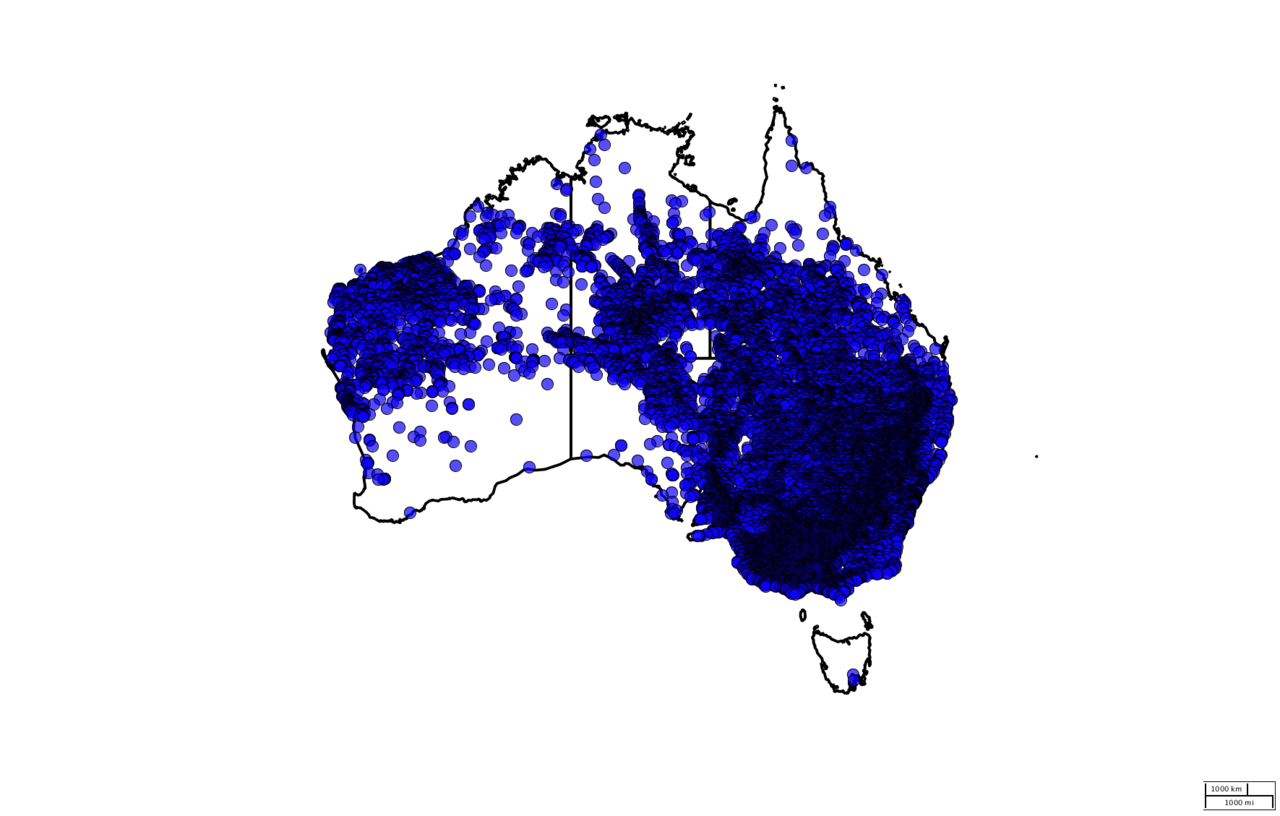
Mainland Australia (southern and inland)
Typical Environment
Occurs widely across the southern half of mainland Australia, extending through inland woodlands, riparian corridors, and towns with mature eucalypts. It is particularly common near permanent or seasonal water and along creek-lines. Absent from Tasmania and the far tropical north, but present through much of inland Western Australia, South Australia, New South Wales, Victoria, and parts of Queensland. It adapts well to parks, gardens, and farm shelterbelts where native trees flower reliably.
Altitude Range
Sea level to 1200 m
Climate Zone
Temperate
Ease of Keeping
Beginner friendly: 1/5
The white-plumed honeyeater is a common Australian honeyeater easily recognized by its neat white neck plume. It thrives around water and in suburban areas with flowering eucalypts and native shrubs. Highly vocal and social, it often forms noisy groups and vigorously defends rich nectar sources. As a frequent visitor to blossoms, it is an important pollinator of many native plants.

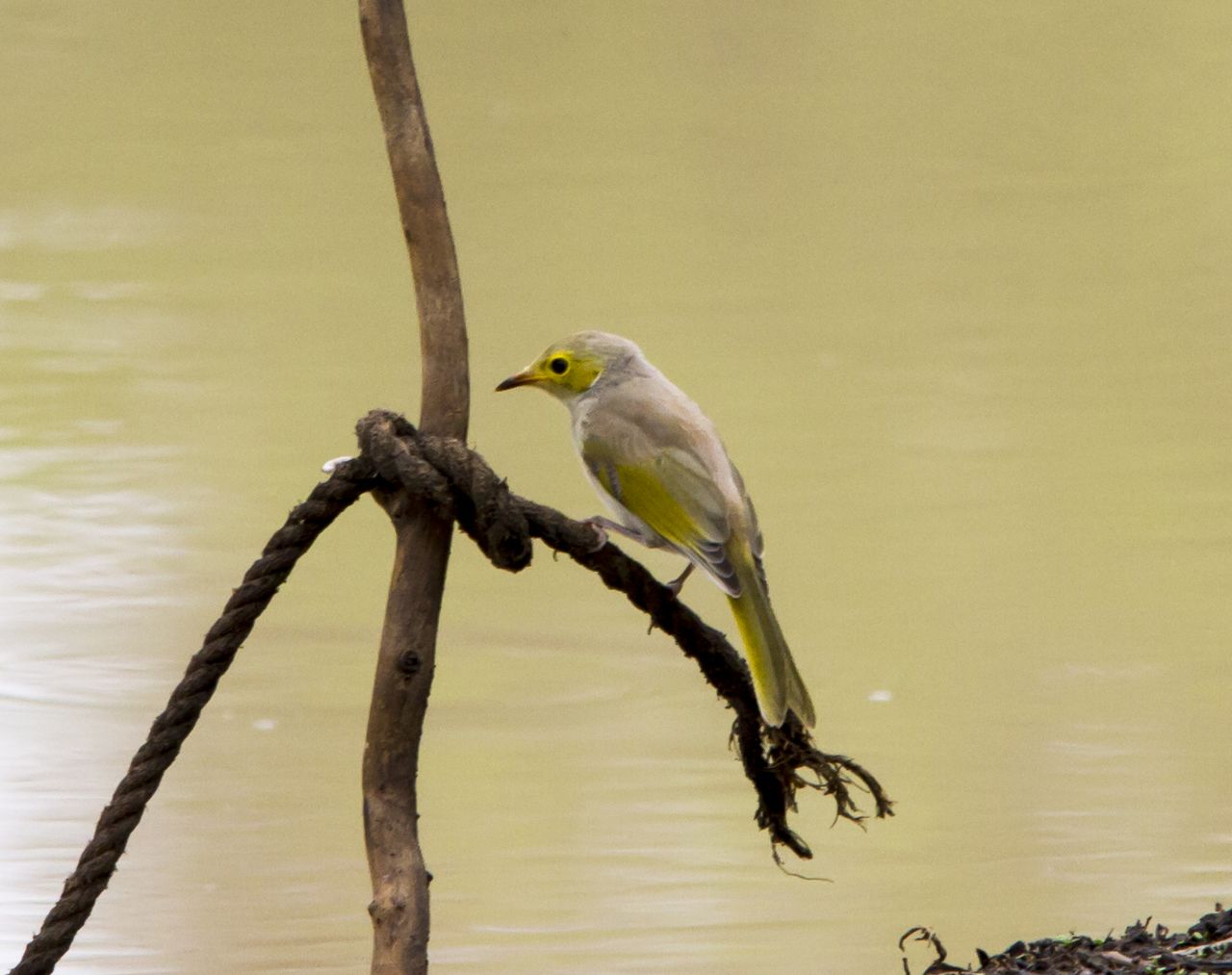
A juvenile white-plumed honeyeater (P. p. penicillatus) at Toorale Station, NSW

White-plumed Honeyeater in flight

The cup nest

Nest with two eggs
Temperament
social and active
Flight Pattern
short rapid wingbeats
Social Behavior
Often seen in small, noisy groups that move through flowering trees and shrubs. Breeds in monogamous pairs, building a small cup nest suspended in foliage, usually near water. Adults can be assertive and will collectively mob intruders or defend rich nectar sources from other birds.
Migratory Pattern
Partial migrant
Song Description
A bright, tinkling series of liquid notes interspersed with sharp chips and scolding calls. Vocal throughout the day, with more sustained choruses at dawn around flowering trees.
Plumage
Olive-green upperparts with paler greyish underparts and a neat, contrasting white plume along the side of the neck. Crown and nape are grey-brown; face shows yellow-olive tones with darker lores. Feathers are sleek and close-fitting, giving a smooth, neat appearance.
Diet
Feeds primarily on nectar from eucalypts, bottlebrushes, and other native blossoms. Also takes insects and spiders by gleaning foliage or sallying short distances, especially when feeding young. Consumes honeydew and lerps, and occasionally soft fruits. Its flexible diet helps it persist in suburban gardens with suitable native plantings.
Preferred Environment
Forages in the canopy and mid-storey of eucalypt woodlands, riparian strips, and mallee. Frequently visits suburban gardens, parks, and street trees where flowering resources are available.


