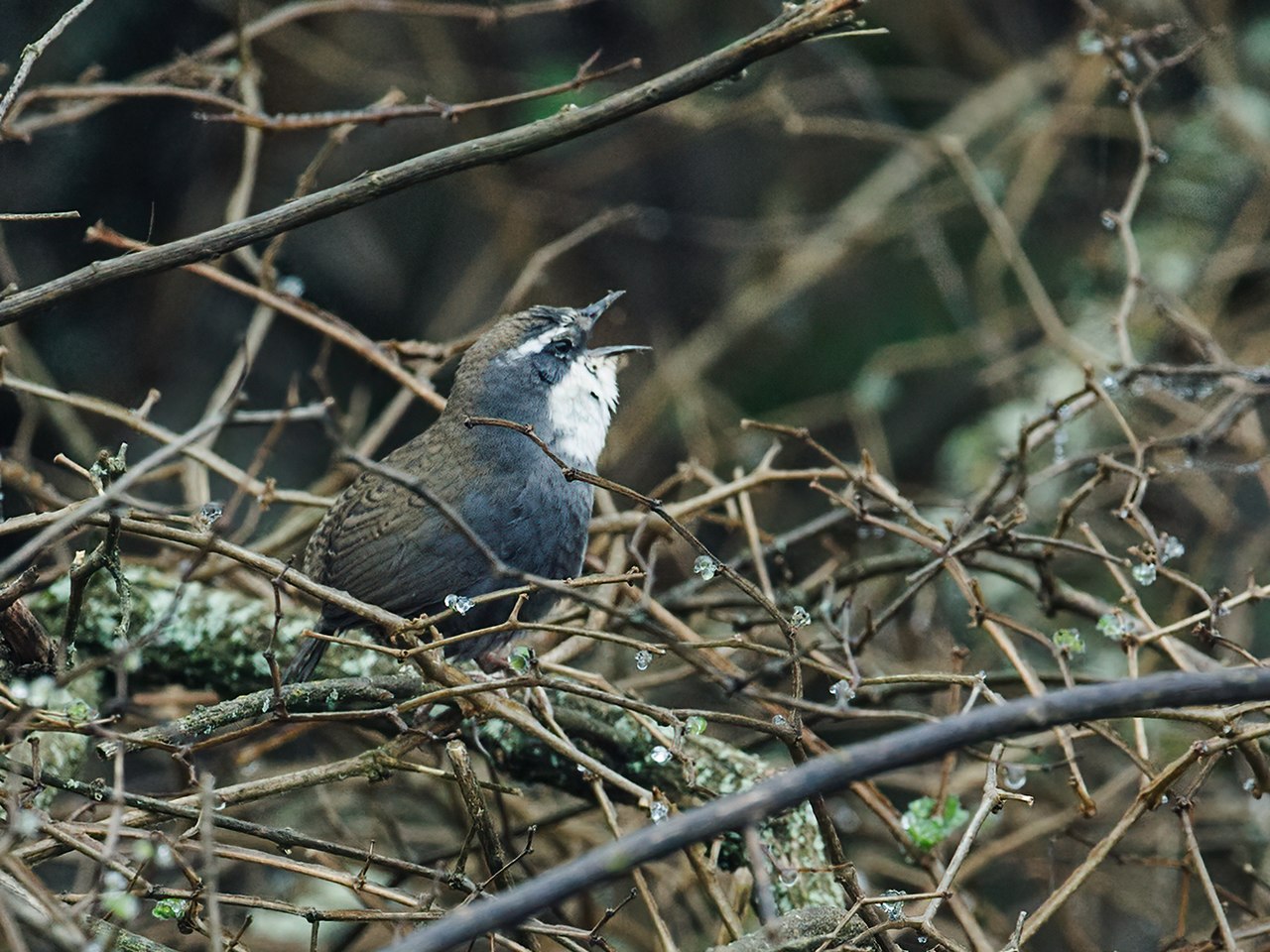
The white-browed sparrow-weaver is a predominantly brown, sparrow-sized bird found throughout central and north-central southern Africa. It is found in groups of two to eleven individuals consisting of one breeding pair and other non-reproductive individuals.
Region
Southern Africa
Typical Environment
Found across arid and semi-arid savannas, thornveld, and dry woodland, especially where acacias are common. Frequently occurs along dry river courses, farm edges, and around rural settlements where scattered trees provide nesting sites. Prefers open habitats with patches of bare ground for foraging. Avoids dense forest and very treeless expanses but thrives in lightly wooded landscapes.
Altitude Range
Sea level to 1800 m
Climate Zone
Arid
Ease of Keeping
Beginner friendly: 2/5
White-browed sparrow-weavers live in cooperative groups with a dominant breeding pair and several helpers that assist with nest building and chick rearing. They construct bulky, untidy, dome-shaped nests with side entrances, often in thorny acacias, and use some of these nests as communal roosts year-round. Their bold white eyebrow and conspicuous white wing panel make them easy to recognize even at a distance.


Nest of P. m. pectoralis in South Luangwa National Park, Zambia


Temperament
social and active
Flight Pattern
short rapid wingbeats
Social Behavior
Typically lives in groups of 2–11 with a dominant breeding pair and non-breeding helpers. They build multiple woven nests in the same tree, using some for roosting and others for breeding. Displays include wing-fluttering and song delivered from nest entrances.
Migratory Pattern
Resident
Song Description
Song is a clear, repetitive series of chirps and whistles, often delivered from a prominent perch or nest rim. Calls include sharp chacks used to maintain group cohesion and signal alarm. Duetting between pair members is common during the breeding season.
Plumage
Warm brown upperparts with pale streaking, clean white underparts, and a broad white supercilium. A distinct white wing panel is visible at rest and in flight; tail shows white edges. Bill ranges from horn to darker tones depending on population.
Diet
Feeds mainly on seeds and grains gleaned from the ground, supplemented with insects such as termites, ants, and beetles, especially during breeding. Will also take buds and small fruits when available. Foraging groups scratch and hop on bare ground beneath shrubs and trees.
Preferred Environment
Most often forages on open ground in lightly wooded savanna and around thorny trees used for nesting. Common near human habitation, farmyards, and track edges where spilled grain and seeds are available.