

The white-bellied heron also known as the imperial heron or great white-bellied heron, is a large heron species living in the foothills of the eastern Himalayas in northeast India and Bhutan to northern Myanmar. It inhabits undisturbed rivers and wetlands. It has been listed as Critically Endangered on the IUCN Red List since 2007, because the global population is estimated at fewer than 250 mature individuals and threatened by habitat loss and human disturbance. It is mostly dark grey with a white throat and underparts.
Region
Eastern Himalayas
Typical Environment
Occurs along large, relatively pristine rivers and wetlands in Bhutan, northeast India (notably Arunachal Pradesh and Assam), and northern Myanmar, with occasional records in adjacent regions. It selects broad river channels with exposed sand or gravel bars, quiet side pools, and nearby tall trees for roosting and nesting. Human disturbance, sand extraction, and river regulation have greatly reduced suitable habitat. Breeding typically takes place near remote river stretches with minimal human activity.
Altitude Range
100–1500 m
Climate Zone
Subtropical
Ease of Keeping
Beginner friendly: 1/5
Also called the imperial heron, it is among the largest herons in the world and is now one of the rarest. It favors wide, undisturbed river systems with gravel bars and tall riverside trees for nesting. The global population is tiny and highly fragmented, making it extremely sensitive to disturbance and habitat alteration. Conservation actions focus on safeguarding key river stretches and breeding sites, especially in Bhutan and northeast India.


White-bellied Heron at Namdapha NP, Changlang, Arunachal Pradesh, India

Perched beside the Pho Chhu in Bhutan
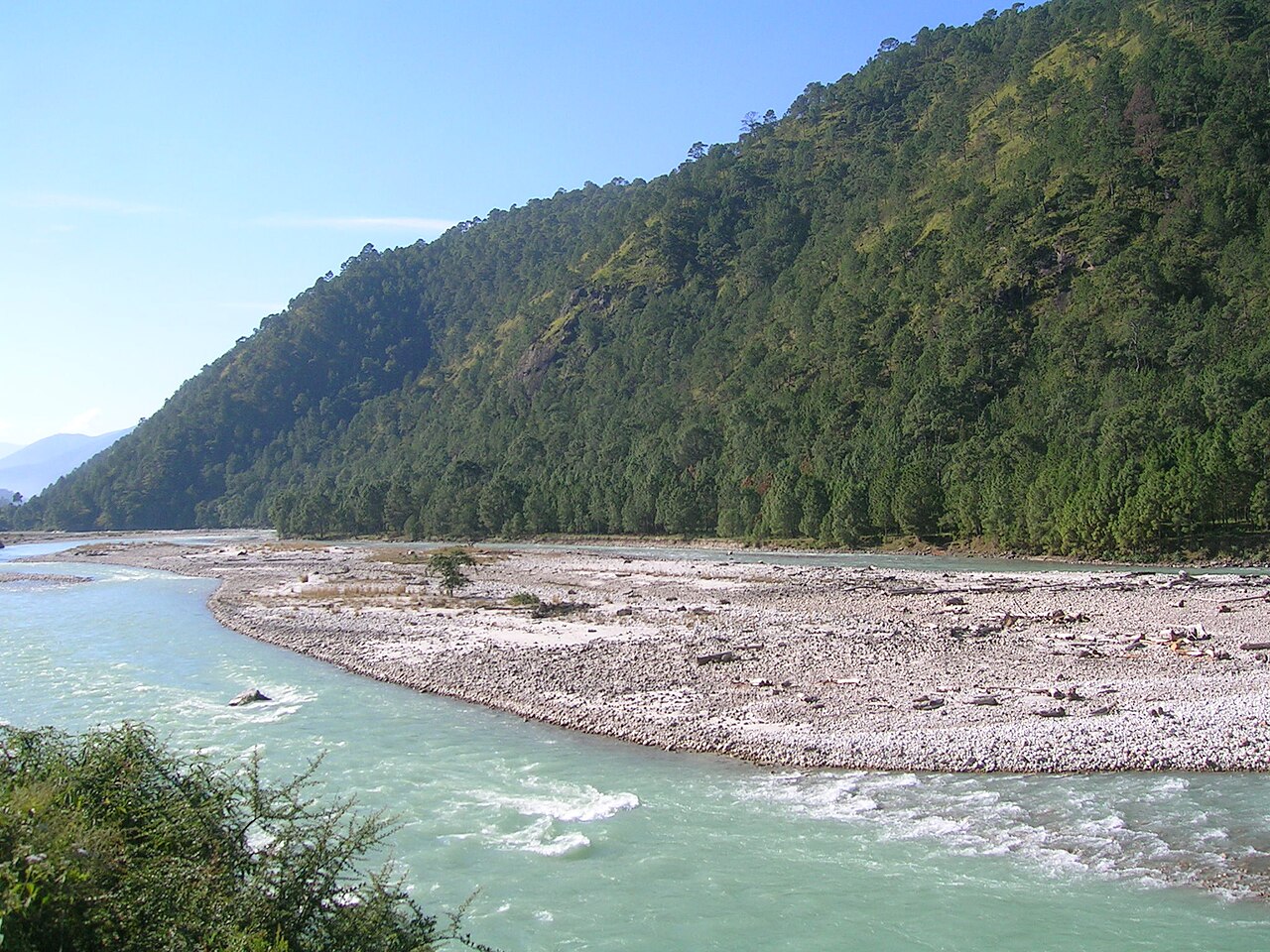
Riverine habitat in Bhutan

Two chicks on a nest in Bhutan
Temperament
solitary and wary
Flight Pattern
slow, deep wingbeats with neck retracted; steady, powerful flier
Social Behavior
Usually found alone or in pairs, especially during the breeding season. Nests are large stick platforms placed high in tall riverside trees, often with a good view of river channels. Clutches are small and breeding attempts are easily disrupted by human presence. Pairs defend nesting territories along favored river stretches.
Migratory Pattern
Resident
Song Description
Generally quiet away from nests. At breeding sites it gives deep croaks and grunts, with occasional bill-clappering in close interactions. Alarm calls are harsh, guttural notes.
Plumage
Mostly dark slate-grey with a contrasting white throat and belly; neck often shows pale streaking and shaggy plumes on the hind-neck.
Diet
Primarily piscivorous, taking fish from shallow pools, riffles, and river margins. Also consumes amphibians, crustaceans, and occasionally small reptiles. Hunts by still-standing or slow stalking, then spearing prey with a rapid thrust of the bill. Will use exposed rocks or bars as vantage points to scan for prey in clear water.
Preferred Environment
Feeds along broad, undisturbed river channels with sand and gravel bars, side pools, and gentle shallows. Prefers areas with minimal human activity and good visibility into the water column.


