

The white-banded swallow is a species of bird in the family Hirundinidae. It is black with white thighs, a white breast, and has white bars on the edges of its wings. It has a distinct, deeply forked tail.
Region
Amazon Basin
Typical Environment
Occurs along major lowland rivers and their tributaries across the Amazon Basin, including parts of Brazil, Peru, Bolivia, Colombia, Ecuador, and Venezuela. Strongly associated with broad, open channels, sandbars, and eroding riverbanks where it breeds. It hunts over open water and along riverine forest edges, often following bends and sandbar margins. Outside the breeding season it remains near waterways, shifting locally with water levels. Human-altered riverbanks can affect colony placement but the species persists where suitable banks remain.
Altitude Range
0–800 m
Climate Zone
Tropical
Ease of Keeping
Beginner friendly: 1/5
This Amazonian swallow is closely tied to big, dynamic rivers and often nests by tunneling into vertical sandbanks. It forages low over open water, deftly catching insects in swift, twisting flights. Colonies may shift location as riverbanks erode and rebuild with seasonal floods. Its clean black-and-white pattern and deeply forked tail make it distinctive in flight.


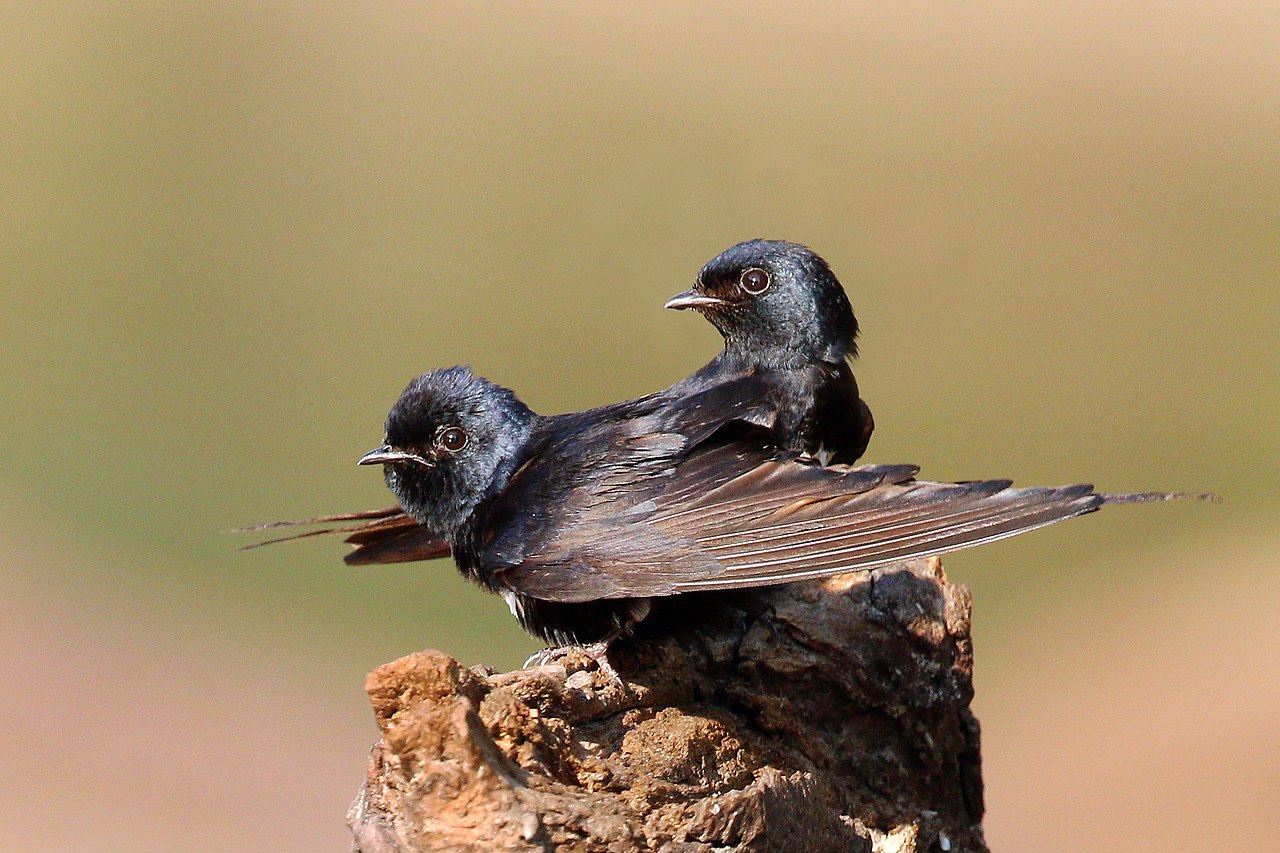
On the Cristalino River, Southern Amazon, Brazil
Temperament
social and active
Flight Pattern
agile with rapid wingbeats and quick twists low over water
Social Behavior
Typically nests in small colonies or loose groups, excavating burrows in vertical sand or earth banks along rivers. Pairs are monogamous during the breeding season and both sexes participate in nest excavation and chick rearing. Roosting may occur communally near breeding sites.
Migratory Pattern
Resident
Song Description
Gives high, thin twitters and chips during foraging and social interactions. Near colonies, produces soft, rapid chatter and contact calls, with occasional buzzy trills.
Plumage
Glossy black overall with a conspicuous clean white band across the breast and white on the lower underparts; narrow white edging on the wings is visible in flight.
Diet
Feeds almost exclusively on aerial insects such as flies, beetles, and small wasps caught on the wing. It patrols low over open water and along sandbar edges where insect density is high. During overcast or calm conditions it may range higher or along the riverine forest fringe. Prey is swallowed in flight.
Preferred Environment
Open channels of large rivers, above sandbars, and at the interface of water and riverine forest. Often concentrates where insects are blown or emerge in numbers, such as lee sides of bends and near confluences.


