

The tree swallow is a migratory bird of the family Hirundinidae. Found in the Americas, the tree swallow was first described in 1807 by French ornithologist Louis Vieillot as Hirundo bicolor. It has since been moved to its current genus, Tachycineta, within which its phylogenetic placement is debated. The tree swallow has glossy blue-green upperparts, with the exception of the blackish wings and tail, and white underparts. The bill is black, the eyes dark brown, and the legs and feet pale brown. The female is generally duller than the male, and the first-year female has mostly brown upperparts, with some blue feathers. Juveniles have brown upperparts, and gray-brown-washed breasts. The tree swallow breeds in the US and Canada. It winters along southern US coasts south, along the Gulf Coast, to Panama and the northwestern coast of South America, and in the West Indies.
Region
North America and the Caribbean
Typical Environment
Breeds across much of Canada and the northern and central United States, favoring open areas near water. Winters from the southern United States through the Gulf Coast, Florida, the Caribbean, Mexico, and into Central America and the northwestern coast of South America. Common around lakes, marshes, rivers, beaver ponds, and coastal wetlands. Readily occupies nest boxes in rural and suburban landscapes where natural cavities are scarce.
Altitude Range
Sea level to 2500 m
Climate Zone
Temperate
Ease of Keeping
Beginner friendly: 1/5
Tree swallows are aerial insectivores that often arrive early in spring, when they can switch to waxy berries to survive cold snaps. They readily use human-provided nest boxes and line their nests with feathers. Pairs are socially monogamous but extra-pair matings occur, and small loose colonies can form in areas with many cavities.


A juvenile tree swallow

Two tree swallows singing


Tree swallows fighting

female at a natural nest hole

A pair mating

The inside of a tree swallow nest
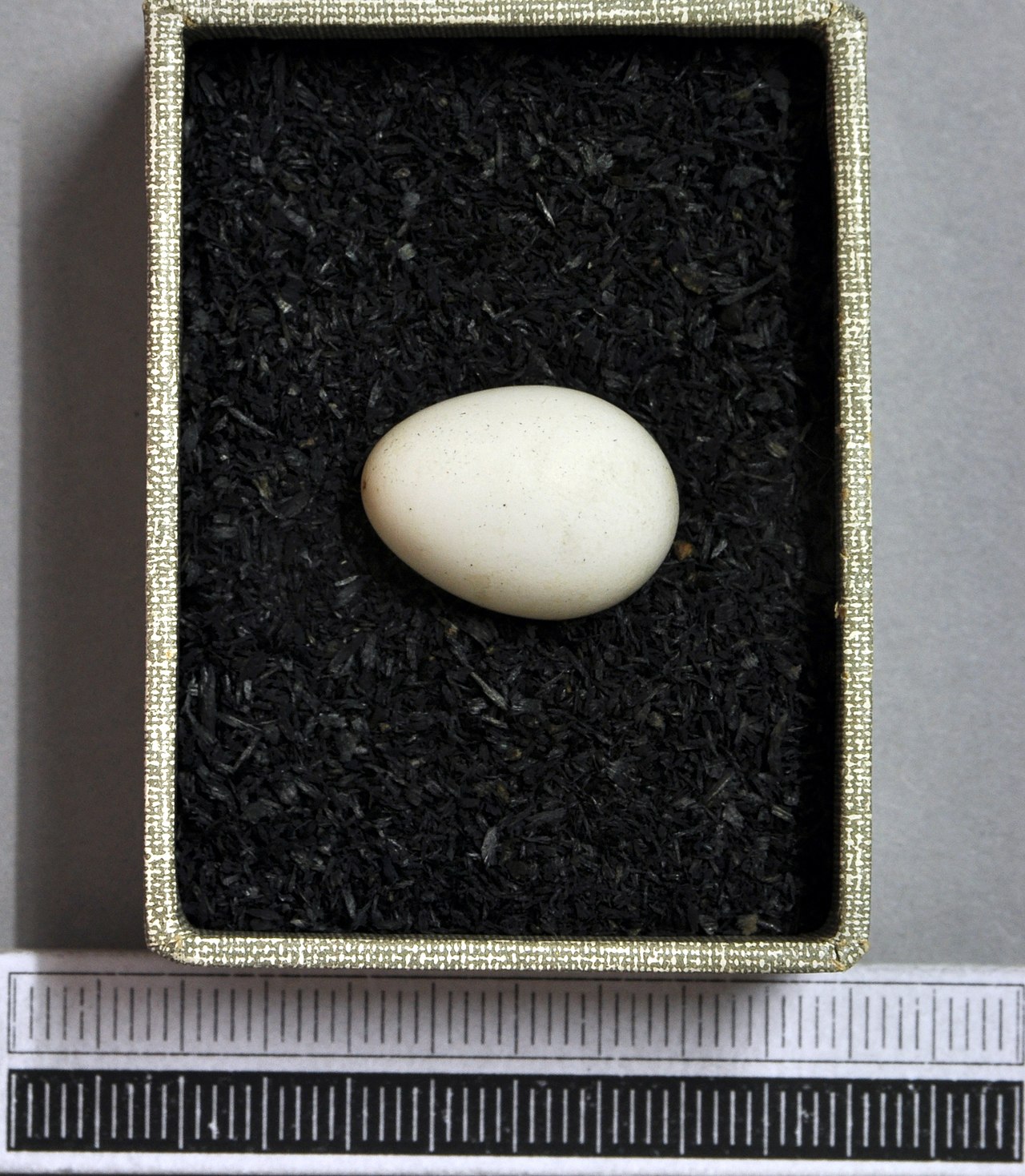
A tree swallow egg

Flying in Central New York, US

A chick being fed

Blow-fly in the genus Protocalliphora
Temperament
social and active
Flight Pattern
agile with swift, fluttering wingbeats and frequent glides
Social Behavior
Often nests in loose colonies where suitable cavities or nest boxes are clustered. Both parents incubate and feed the young, and nests are lined with feathers. Territorial at the nest but tolerant of nearby conspecifics.
Migratory Pattern
Seasonal migrant
Song Description
A series of liquid, twinkling chirps and warbles given in flight and from perches. Calls are high-pitched and buzzy, often exchanged between mates around the nest.
Plumage
Glossy blue-green upperparts with clean white underparts; wings and forked tail are darker, nearly black. Females are duller, and first-year birds show more brown above with limited blue gloss.
Diet
Feeds mainly on flying insects such as flies, beetles, mayflies, and dragonflies captured on the wing. Will also take spiders and other small arthropods. In cool weather or early spring, supplements its diet with waxy berries (e.g., bayberry) to endure food shortages.
Preferred Environment
Forages over open water, wetlands, meadows, and fields, often low over the surface. Frequently patrols shorelines and lakes and may feed above roads and pastures where insects concentrate.


