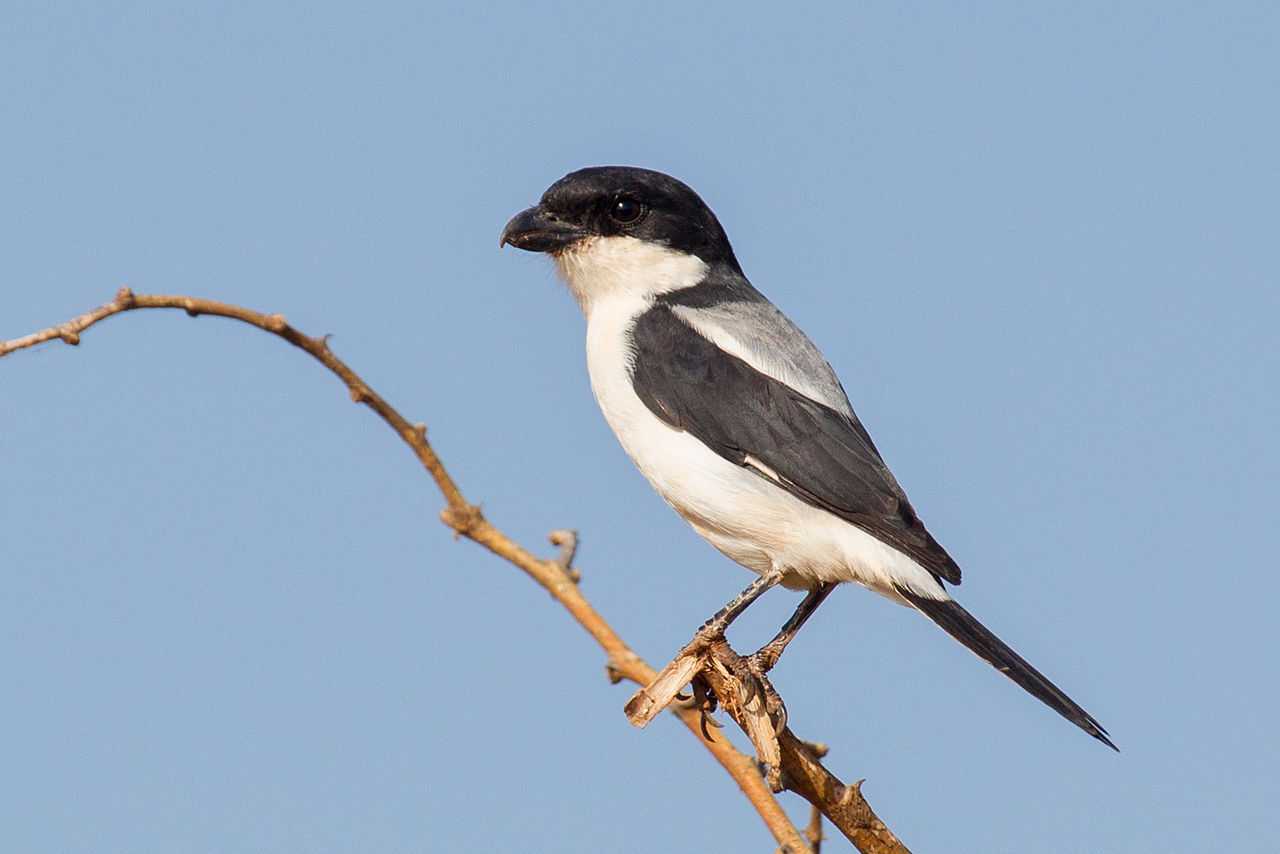
The Taita apalis is a bird in the family Cisticolidae that is endemic to the Taita Hills in Kenya. It was formerly considered to be a subspecies of the bar-throated apalis.
Region
East Africa
Typical Environment
Occurs only in the remnant montane cloud forests of the Taita Hills, notably in forest fragments such as Ngangao, Mbololo, and Chawia. Prefers dense understorey and vine tangles along forest interiors and edges. Often forages in midstorey shrubs and along forest margins with secondary growth. The species’ extremely small range makes it highly vulnerable to habitat loss and degradation.
Altitude Range
1200–2200 m
Climate Zone
Highland
Ease of Keeping
Beginner friendly: 1/5
This tiny warbler is confined to a few forest fragments in the Taita Hills of southeastern Kenya and is among Africa’s most range-restricted birds. It was once treated as a subspecies of the bar-throated apalis but is now recognized as a distinct species. Pairs often perform synchronized duets, making them easier to detect than to see in dense foliage. Conservation efforts focus on protecting and restoring remnant cloud forest patches.
Temperament
secretive yet active
Flight Pattern
short rapid wingbeats
Social Behavior
Typically found in pairs that maintain small territories year-round, occasionally joining mixed-species flocks. Nests are placed low to mid-level in dense shrubs or vine tangles. Breeding pairs are strongly bonded and often remain in the same territory across seasons.
Migratory Pattern
Resident
Song Description
Fast, high-pitched duets with sharp, tinkling notes traded between pair members. Calls include thin seeps and quick trills that carry through the understorey.
Plumage
Small, slender apalis with grey to olive-grey upperparts and clean whitish underparts marked by a distinct dark breast band. The tail is relatively long with contrasting white edges. Feathers are sleek and close-fitting, suited to moving through dense foliage.
Diet
Feeds mainly on small insects, spiders, and other arthropods gleaned from leaves, twigs, and vine tangles. Often hover-gleans briefly to pick prey from foliage. May exploit caterpillars and soft-bodied larvae when abundant.
Preferred Environment
Forages in dense undergrowth, vine thickets, and along forest edges and clearings where insect activity is high. Frequently uses the midstorey within moist montane forest.