

The short-toed snake eagle, also known as the short-toed eagle, is a medium-sized bird of prey in the family Accipitridae, which also includes many other diurnal raptors such as kites, buzzards and harriers. The genus name Circaetus is from the Ancient Greek kirkos, a type of hawk, and aetos, "eagle". The specific gallicus means "of Gallia".
Region
Mediterranean and Western–Central Palearctic (breeding); Sub-Saharan Africa and Indian subcontinent (wintering)
Typical Environment
Breeds across southern Europe, North Africa, the Middle East, and into Central Asia, favoring open woodlands, scrub, and steppe. Winters mainly in sub-Saharan Africa and parts of South Asia, occupying savannas, semi-deserts, and open agricultural lands. It selects landscapes with ample basking reptiles and scattered trees or cliffs for nesting. Human-modified mosaics with hedgerows and fields can be used if disturbance is low. It avoids dense forests but uses forest edges and clearings for foraging.
Altitude Range
Sea level to 2000 m
Climate Zone
Temperate
Ease of Keeping
Beginner friendly: 1/5
A specialist reptile hunter, it feeds mainly on snakes—including venomous species—which it subdues with strong, scaly legs and a thickened skin. It often hovers into the wind with dangling legs while scanning the ground, a distinctive behavior among eagles. The species has pale underparts that reduce glare when hunting in bright, open habitats.


The short-toed snake eagle gets its vernacular name from its snake-rich diet.




Temperament
solitary and territorial
Flight Pattern
soaring glider capable of prolonged hovering in updrafts; buoyant flight with occasional deep wingbeats
Social Behavior
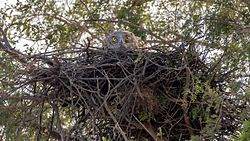
Typically breeds singly and is strongly territorial during the nesting season. Nests are built on trees or occasionally cliffs, and the pair usually raises a single chick. Courtship involves high circling and display flights with calling.
Migratory Pattern
Seasonal migrant
Song Description
Generally quiet, but during display gives clear, fluty whistles and yelps. Calls are most often heard over breeding territories during soaring displays.
Plumage
Pale underside with fine brown barring and dark carpal patches; upperparts grey-brown and fairly uniform. Large, rounded wings and a relatively small, broad head give a distinctive silhouette. Tail shows narrow dark bands; underwings are mainly white with darker flight feathers.
Diet
Feeds chiefly on snakes, including vipers and large colubrids, which it pins and kills with powerful feet and then swallows head-first. Also takes lizards and occasionally small mammals or birds when reptiles are scarce. Hunts by soaring and hovering over open ground, then stooping or dropping onto prey.
Preferred Environment
Prefers open habitats with sparse trees, scrub, or rocky outcrops where reptiles bask. Frequently hunts along field margins, clearings, steppe, and semi-desert, avoiding dense forest.


