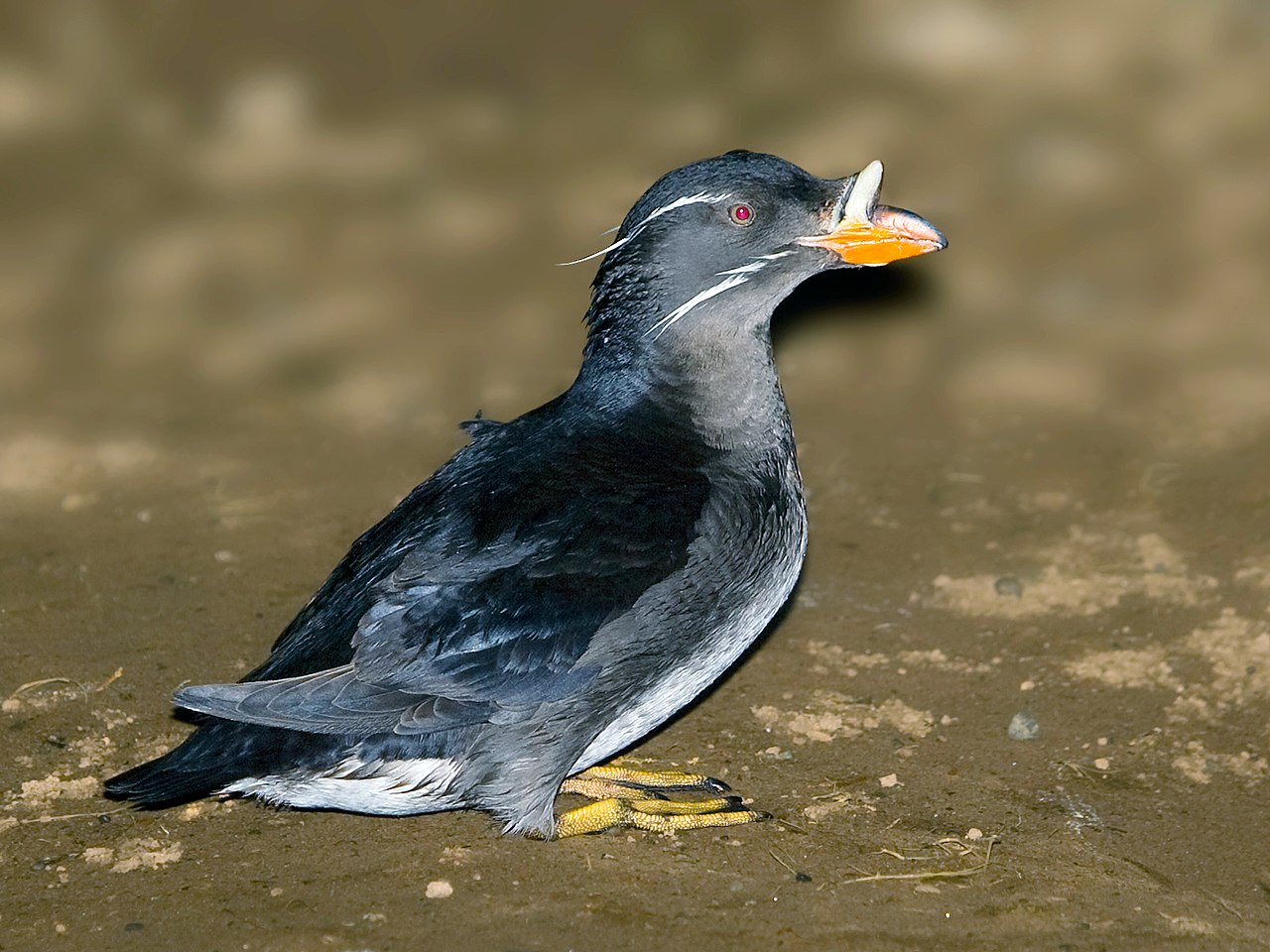
The Réunion grey white-eye is a small passerine from the family Zosteropidae, which is native to the islands of Réunion.
Region
Mascarene Islands, western Indian Ocean
Typical Environment
Endemic to the island of Réunion, where it occupies a wide range of habitats from coastal scrub and secondary growth to mid-elevation forests and high-elevation heath and shrublands. It thrives in both native forest and human-modified landscapes, including gardens and plantations with flowering shrubs. The species forages from understory to mid-canopy, gleaning foliage and visiting blossoms. It can be especially common along forest edges, in ravines, and in montane thickets.
Altitude Range
0–2600 m
Climate Zone
Tropical
Ease of Keeping
Beginner friendly: 2/5
The Réunion grey white-eye is a small, highly adaptable songbird endemic to Réunion in the Mascarene Islands. It shows notable plumage variation across elevations, with some morphs displaying browner throats and others paler underparts. Energetic and gregarious, it often forms mixed-species foraging flocks and helps pollinate flowering plants while feeding on nectar.


Temperament
social and active
Flight Pattern
short rapid wingbeats with quick, bounding flight
Social Behavior
Outside the breeding season it forms lively flocks, often joining mixed-species parties. Pairs establish small territories during breeding and build neat cup nests concealed in shrubs or low trees. Both parents participate in incubation and feeding of nestlings.
Migratory Pattern
Resident
Song Description
A high-pitched, rapid series of thin whistles and trills interspersed with soft chips. The song is energetic but delicate, delivered frequently while foraging and from low perches.
Plumage
Neat, compact white-eye with grey to grey-brown upperparts and pale grey to whitish underparts; some morphs show a warmer brown wash on the throat and breast. Feathers are smooth and close-fitting, giving a sleek appearance.
Diet
Feeds primarily on small insects, spiders, and other arthropods gleaned from leaves and twigs. Also takes nectar from a variety of flowering shrubs and trees, and supplements its diet with soft fruits and berries. This flexible diet allows it to exploit both native and cultivated plants and likely contributes to its success across habitats.
Preferred Environment
Forages in forest edges, secondary woodland, gardens, and montane shrublands. Often works methodically through the understory and mid-canopy, occasionally hovering briefly to probe flowers.