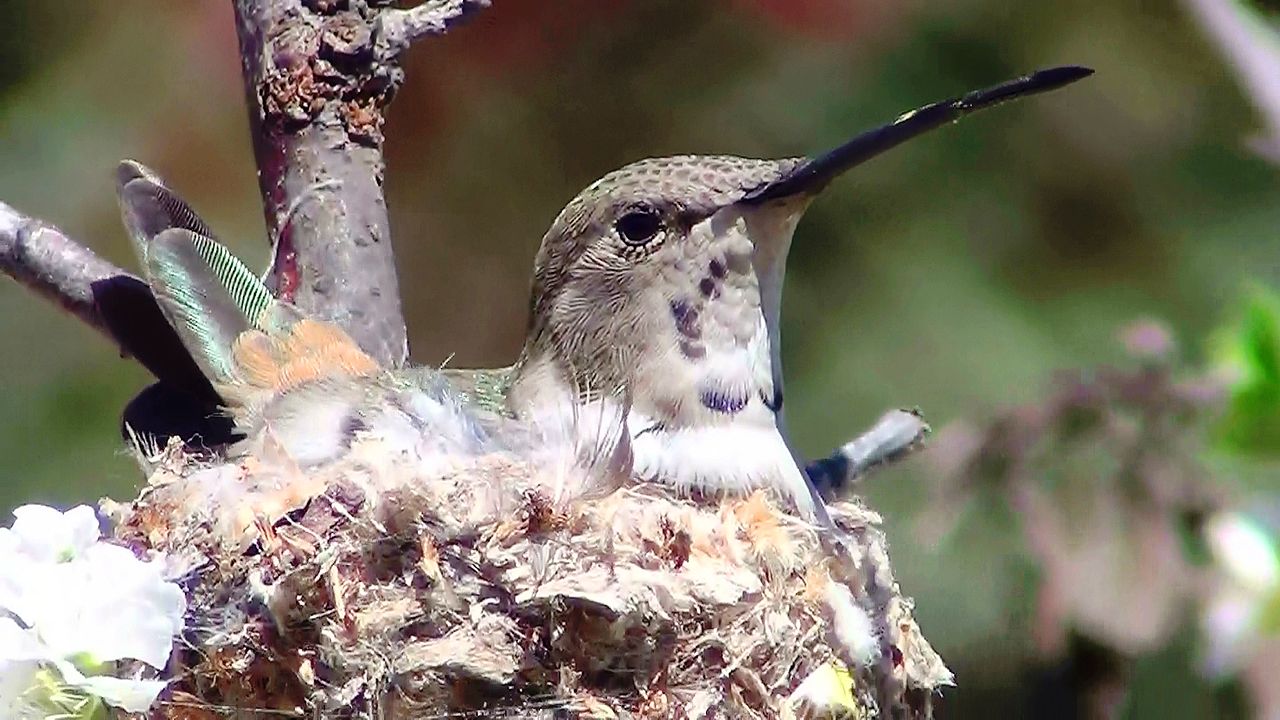
The O'ahu 'ō'ō is an extinct species of Hawaiian honeyeater in the genus Moho. It was previously regarded as member of the Australo-Pacific honeyeaters (Meliphagidae).
Region
Hawaiian Islands
Typical Environment
Historically restricted to native forests on Oʻahu, particularly mesic to wet forests with abundant flowering trees. It frequented ʻōhiʻa lehua (Metrosideros polymorpha), koa, and lobeliad-rich habitats, where nectar and arthropods were plentiful. The species likely moved along forest edges and interior valleys following seasonal blooms. Degradation of lowland forests and the spread of disease-bearing mosquitoes pushed remaining birds upslope before extinction.
Altitude Range
Sea level to 1200 m
Climate Zone
Tropical
Ease of Keeping
Beginner friendly: 1/5
The Oʻahu ʻōʻō was an extinct Hawaiian honeyeater in the now-extinct family Mohoidae, once grouped with Australo-Pacific honeyeaters (Meliphagidae). It was confined to the island of Oʻahu and vanished in the 19th century. Habitat loss, introduced predators, and mosquito-borne diseases such as avian malaria likely drove its rapid decline.


Moho apicalis and Chaetoptila angustipluma
Temperament
solitary and territorial
Flight Pattern
short rapid wingbeats with agile, direct flights between flowering trees
Social Behavior
Usually encountered alone or in pairs, defending rich nectar sources. Likely formed monogamous pairs during the breeding season. Nests were presumed cup-shaped and placed in trees, constructed from plant fibers and mosses, similar to related species.
Migratory Pattern
Resident
Song Description
Vocalizations were described as clear, flutelike whistles interspersed with sharp notes. Calls carried well through forest valleys and were repeated in simple phrases during territorial displays.
Plumage
Mostly glossy black with a slightly sooty finish, showing pale or whitish tips on some tail and undertail feathers. Feathers may show faint pale shafting on the rump and undertail coverts, giving a subtly speckled look. Long, graduated tail and sleek body typical of ʻōʻō.
Diet
Primarily nectar from native flowering plants such as ʻōhiʻa lehua and lobeliads, supplemented by insects and other arthropods gleaned from foliage and bark. It likely also took small fruits when available. The curved bill and brush-tipped tongue were adaptations for nectar feeding.
Preferred Environment
Feeds in the mid- to upper canopy of native forest, moving among flowering trees and shrubs. It also gleaned insects from trunks, branches, and leaf clusters within dense forest interiors.