
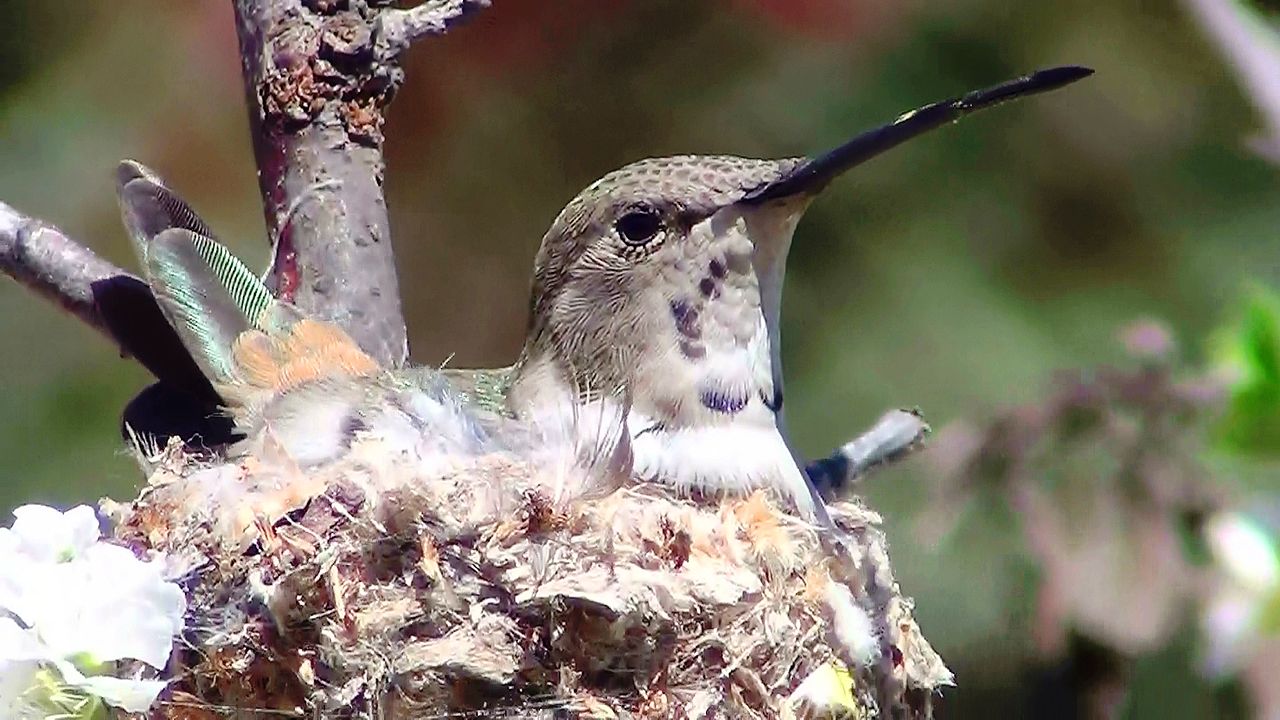
The oasis hummingbird is a species of hummingbird in tribe Mellisugini of subfamily Trochilinae, the "bee hummingbirds". It is the only species placed in the genus Rhodopis. It is found in Chile and Peru
Region
Pacific coastal deserts of Peru and northern Chile
Typical Environment
This species occupies arid and semi-arid habitats, especially desert oases, riparian corridors, and irrigated agricultural valleys cutting through the Atacama and Peruvian deserts. It frequents scrubby thickets, Prosopis groves, cactus-studded slopes, and towns or gardens with flowering shrubs. In many places it concentrates around year-round water sources and ornamental plantings. It tolerates human presence and can be common in peri-urban green spaces within otherwise barren landscapes.
Altitude Range
Sea level to 2500 m
Climate Zone
Arid
Ease of Keeping
Beginner friendly: 1/5
The oasis hummingbird is the sole member of the genus Rhodopis and is adapted to life in some of the driest coastal deserts of Peru and Chile. It relies on ribbons of greenery along rivers, oases, and irrigated valleys where flowers persist. Males perform energetic aerial displays over favored nectar plants and defend small feeding territories. Its ability to thrive around human-planted gardens has helped it remain locally common.


Temperament
territorial and alert
Flight Pattern
short rapid wingbeats with agile hovering
Social Behavior
Outside the breeding season individuals are loosely tolerant at rich food sources but males defend small nectar territories vigorously. Nests are tiny cups of plant fibers and spider silk placed on thin branches or sheltered forks near water or gardens. Courtship involves rapid chases and display flights, with males advertising from exposed perches.
Migratory Pattern
Resident
Song Description
Vocalizations are thin, high-pitched chips and tseet notes, often given in series around feeding territories. During displays males add rapid chatters and trills, interspersed with wing sounds from close hovering.
Plumage
Upperparts bronzy-green with pale grayish to whitish underparts and a buff wash on the flanks; males show an iridescent violet-pink gorget and a noticeably longer, more forked tail. Females are plainer with a shorter, less forked tail and faint streaking or spotting on the throat. Both sexes have a slender, straight to slightly decurved bill.
Diet
It feeds primarily on nectar from desert shrubs, trees, cacti, and garden ornamentals, probing repeatedly at blooms. Key resources include flowering Prosopis, Erythrina, cacti, and a variety of introduced ornamentals. It supplements nectar with small arthropods, hawking midges and gnats in short sallies or gleaning from foliage, which provides essential proteins.
Preferred Environment
Most foraging occurs along riparian vegetation, oasis groves, and urban or agricultural plantings with continuous flowers. Birds often patrol linear hedges and tree lines, returning to favorite perches to scan for intruders.


