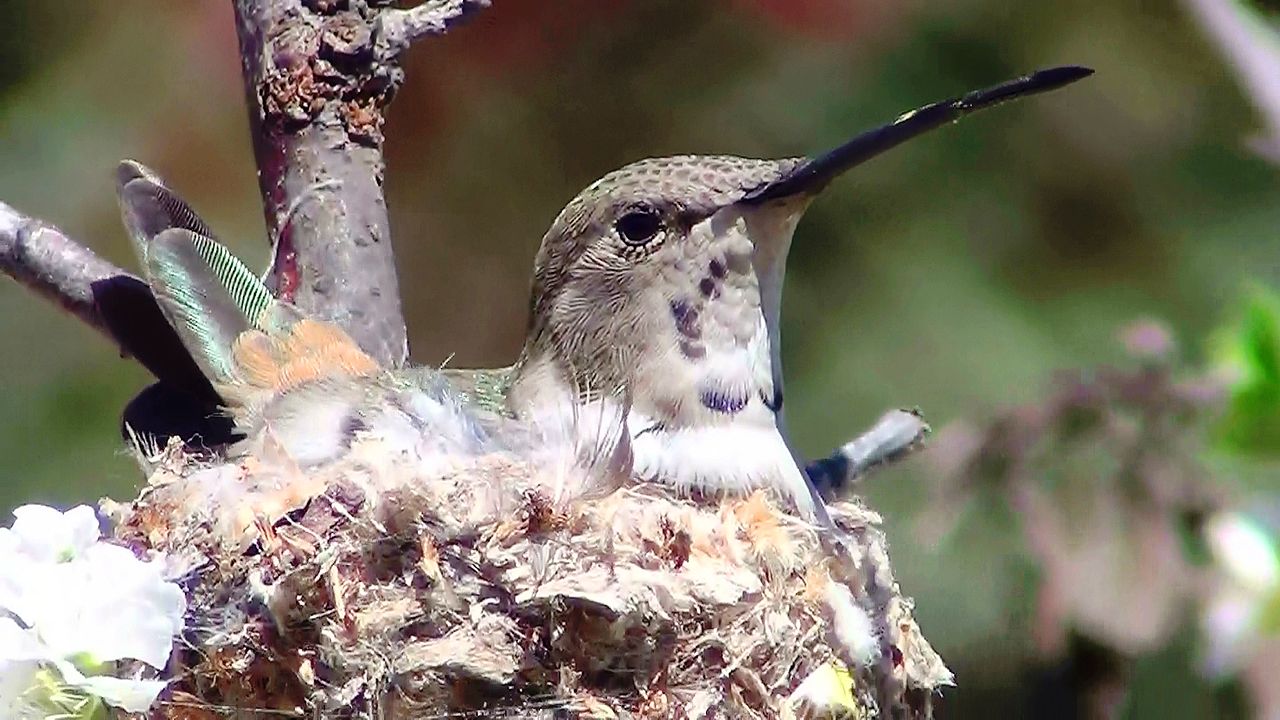
The Oʻahu nukupuʻu is an extinct species of nukupuʻu, a type of Hawaiian honeycreeper native to Oahu, which was similar to its cousins from the Islands of Kauaʻi and Maui. It is yellowish greyish with a long hooked beak to find insects. This bird is now extinct due to human activity.
Region
Hawaiian Islands (Oʻahu)
Typical Environment
Historically confined to native mesic and wet forests on Oʻahu, especially in the Waiʻanae and Koʻolau ranges. It favored mature stands of ʻōhiʻa (Metrosideros polymorpha) and koa (Acacia koa) where bark and epiphytes hosted abundant arthropods. The species foraged in mid to upper canopy layers, often on large limbs and trunks. Today it is extinct, with no confirmed records for more than a century.
Altitude Range
200–1200 m
Climate Zone
Tropical
Ease of Keeping
Beginner friendly: 1/5
The Oʻahu nukupuʻu was a Hawaiian honeycreeper specialized for probing bark and crevices with its long, down-curved bill. Males were brighter yellow, while females were duller and more gray-olive. It vanished following extensive habitat loss, introduced predators, and diseases spread by mosquitoes. Its extinction highlights the fragility of island forest bird communities.

Temperament
quiet and secretive
Flight Pattern
short rapid wingbeats
Social Behavior
Typically observed singly or in pairs, especially during the breeding season. Likely formed loose mixed-species foraging associations in native forest. Nesting was presumed to be a small cup placed high in native trees, with a small clutch typical of Hawaiian honeycreepers.
Migratory Pattern
Resident
Song Description
Historical accounts suggest clear, whistled notes and soft chips, similar to related nukupuʻu. Vocalizations were poorly documented before the species disappeared.
Plumage
Males bright yellow on head and underparts with olive upperparts; females duller gray-olive with yellowish wash. Feathers are smooth and sleek, aiding movement through dense foliage.
Diet
Specialized bark-gleaner feeding on insects and larvae, especially beetles, caterpillars, and other arthropods hidden in crevices. The long upper mandible probed under bark and lichens, while the shorter lower mandible helped extract prey. It occasionally picked spiders and other small invertebrates from leaf clusters and epiphytes.
Preferred Environment
Native ʻōhiʻa and koa forests with abundant rough-barked trunks, dead limbs, and epiphyte mats. Foraging occurred mostly in mid to upper canopy on large branches and trunks.